


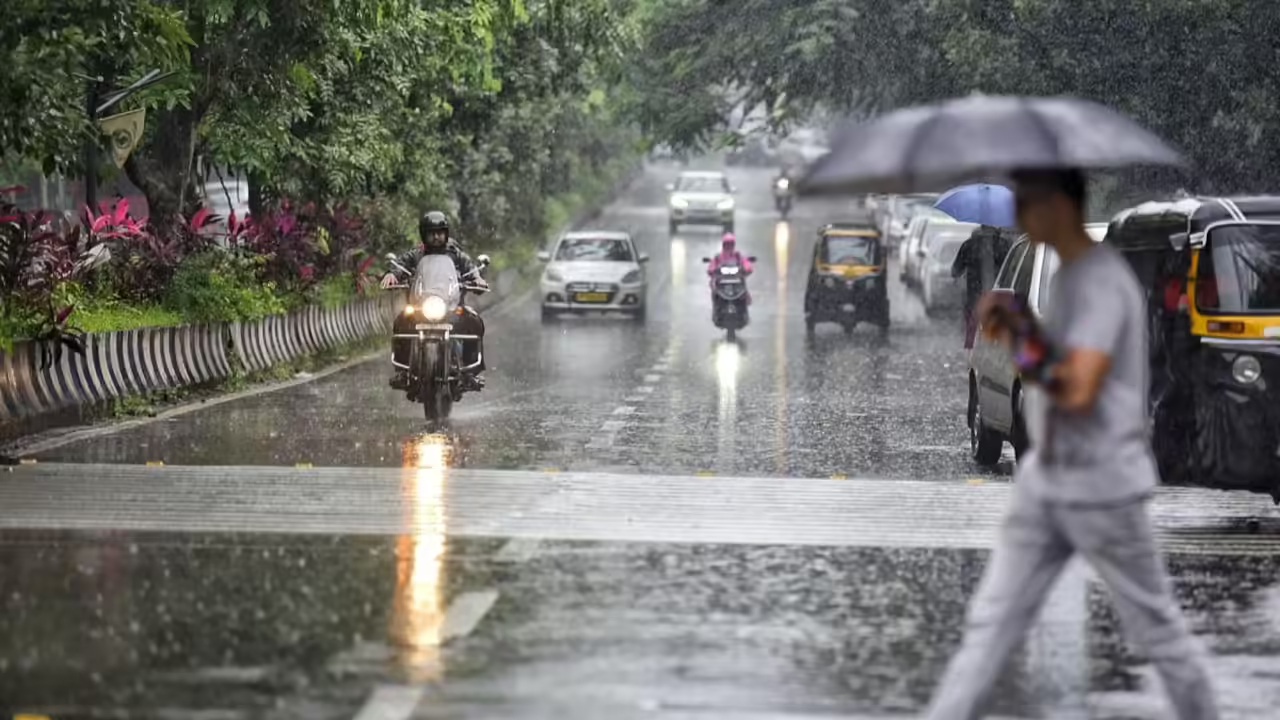
Widespread rainfall across Madhya Pradesh has disrupted normal life in several districts, highlighting increasing weather volatility during seasonal transitions. The unseasonal rain, accompanied by cloud cover and localised storms, has affected both urban centres and rural regions, raising concerns over infrastructure readiness and climate resilience. The rainfall event, spread across dozens of districts, has led to temporary cooling but also triggered challenges such as waterlogging, traffic disruptions, and stress on civic systems. In cities, sudden downpours have exposed drainage limitations, particularly in densely built areas where stormwater infrastructure struggles to handle abrupt surges.
Meteorological trends suggest that such widespread and uneven rainfall patterns are becoming more frequent. Climate experts note that transitional months, which were traditionally stable, are now witnessing erratic precipitation due to shifting atmospheric dynamics. This creates unpredictability for both urban planning and agricultural cycles. The Madhya Pradesh rain event has implications beyond immediate disruption. In rural areas, untimely rainfall can damage standing crops, affecting farm incomes and supply chains. For cities, even short bursts of rain can strain infrastructure, leading to temporary service breakdowns and increased maintenance costs. Urban planners emphasise that such events underline the importance of climate-adaptive infrastructure. Drainage systems, road design, and land use planning must account for extreme weather variability rather than relying on historical patterns. Without such adjustments, cities risk recurring disruptions with each unseasonal event. The rainfall has also brought short-term relief from rising temperatures, delaying the onset of peak summer heat. However, experts caution that this does not reduce long-term heat risks. Instead, it reflects a pattern of greater variability, where cities experience alternating extremes of heat and precipitation. From a sustainability perspective, such rainfall events highlight both challenges and opportunities. While excess water can cause disruption, it also presents a chance to improve water harvesting and groundwater recharge systems. Capturing and managing rainwater effectively can help cities build resilience against future shortages. The Madhya Pradesh rain episode also stresses the need for better forecasting and early warning systems. Accurate, localised weather information can help authorities and residents prepare for sudden changes, reducing the impact on daily life and economic activity. There is also a governance dimension, as coordinated response mechanisms are essential during such events. Rapid deployment of municipal services, traffic management, and public communication can significantly reduce disruption and enhance resilience.
As climate patterns continue to evolve, cities and regions across Madhya Pradesh will need to adapt to increasing uncertainty. The recent rainfall serves as a reminder that infrastructure and planning must evolve in tandem with changing environmental conditions. In the coming weeks, as temperatures rise again, the focus will shift back to heat management. However, the lessons from this widespread rainfall event are likely to shape how the state approaches urban resilience and climate preparedness going forward.
ALSO READ – Indore Weather Shift Brings Brief Relief From Rising Heat
Madhya Pradesh Rain Surge Disrupts Multiple Districts
