


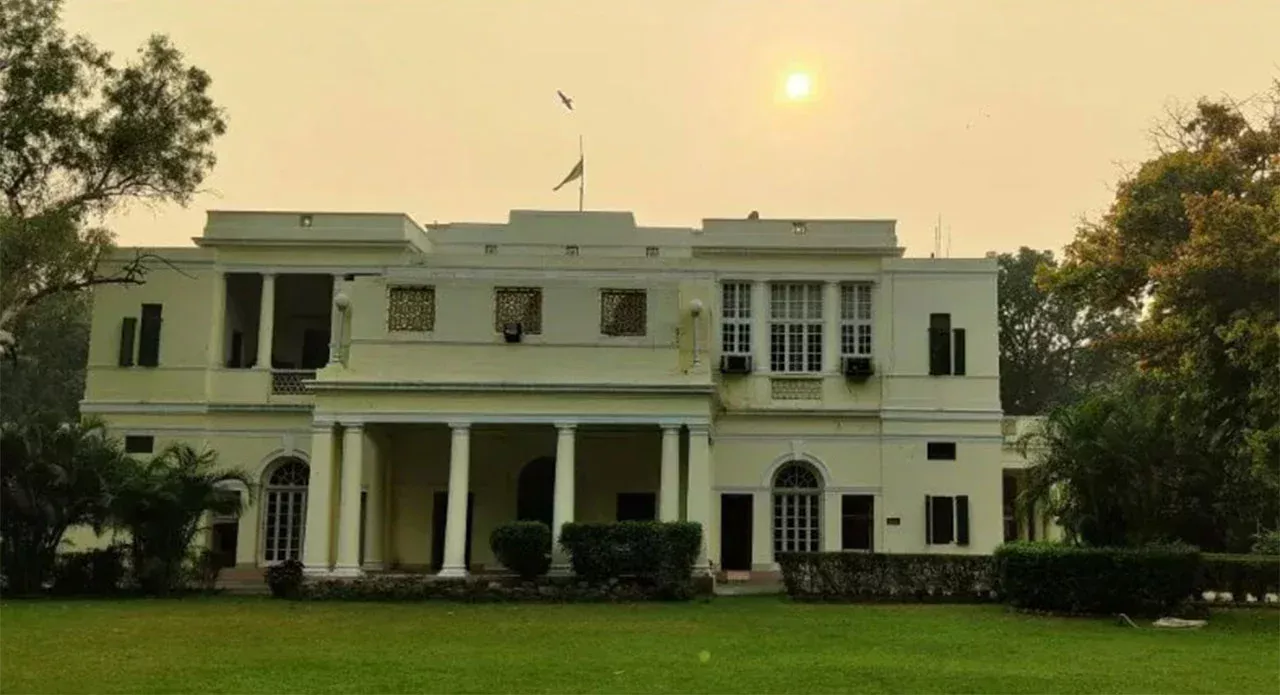
In the tree-lined avenues of Lutyens’ Delhi, residential real estate is less about transaction value and more about legacy. Among the prominent homeowners in this enclave is Sunil Bharti Mittal, founder of Bharti Enterprises, whose private residence underscores the enduring appeal of Delhi’s most tightly held property market.
Lutyens’ Delhi, planned in the early 20th century by British architect Edwin Lutyens, was conceived as the administrative heart of the capital. Over time, it evolved into India’s most prestigious residential zone, housing diplomats, industrialists, and political leaders. Strict zoning norms, expansive plots, and low-rise bungalows define its character a sharp contrast to the vertical density seen across much of urban India. Properties here rarely come to market. Transactions are discreet, supply is fixed, and redevelopment is tightly regulated. This scarcity underpins long-term capital preservation, making homes in Lutyens’ Delhi not merely residences but intergenerational assets. Urban economists describe the area as a “heritage micro-market,” where value is driven as much by planning controls and symbolism as by built-up area. Mittal’s residence, like others in the zone, sits on a large land parcel a rarity in a capital city grappling with land constraints. Such homes typically feature landscaped gardens, controlled access, and significant setback distances, reflecting a planning philosophy rooted in openness and axial geometry. The neighbourhood’s proximity to Rashtrapati Bhavan, India Gate, and key ministries further enhances its institutional gravitas. Real estate experts note that Lutyens’ Delhi operates in a league of its own, often insulated from broader market cycles affecting high-rise luxury apartments in Gurugram or Mumbai.
Demand stems from ultra-high-net-worth individuals seeking privacy, security, and enduring asset value rather than short-term appreciation. Yet, even legacy districts face modern pressures. Conservation norms, environmental compliance, and infrastructure upgrades must balance heritage protection with sustainability. Water management, energy retrofitting, and green landscaping are increasingly relevant in large bungalow zones, especially as Delhi confronts climate and air-quality challenges. For India’s business elite, ownership in Lutyens’ Delhi signals permanence a statement of arrival that transcends market fluctuations. But for the city, the enclave represents a complex planning paradox: how to preserve historical character while integrating contemporary sustainability standards.
As Delhi continues to expand vertically and outward, the low-density elegance of Lutyens’ Delhi remains both an architectural inheritance and a reminder of a different urban vision one where space, symmetry, and status converge on some of the capital’s most exclusive plots.
Also Read: Park Hotels and Ambuja Neotia launch Kolkata residences
Lutyens Delhi mansion reflects heritage value
