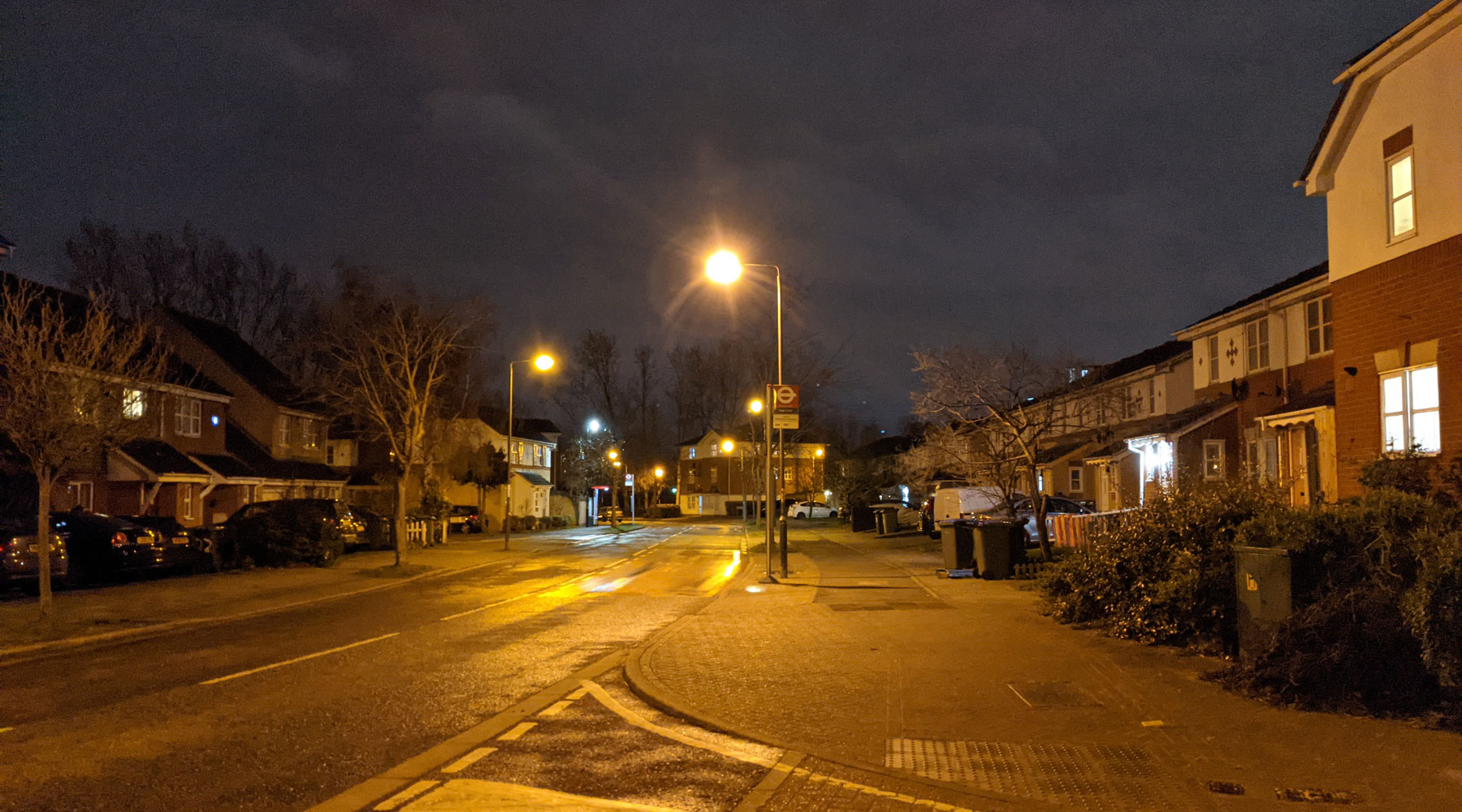
Ludhiana, Punjab’s industrial powerhouse, is facing an unexpected infrastructure crisis. Over 400 streetlights have disappeared from various city zones in the last six months, raising serious questions about civic oversight and public safety.
With nearly 200 complaints pending and over 150 new ones being logged daily, residents are demanding swift and transparent action from the Municipal Corporation (MC). In industrial clusters like Focal Point, as well as residential belts along the Southern Bypass and Tajpur Road, unlit streets have become breeding grounds for thefts, accidents, and unease. Locals claim that the lack of functioning street lighting has severely compromised security, especially after dusk. According to residents, multiple incidents of robbery and road mishaps have occurred due to poor visibility and ineffective patrolling—signalling a complete breakdown in urban safety protocols.
Despite public outcry, authorities have offered little clarity on how such a vast number of streetlights have gone missing from key zones. Officials at the MC claim the vanishing act is largely due to theft. In an official statement, a senior engineer from the civic body confirmed that hundreds of light poles had been stolen in the last few months, mostly from isolated stretches behind the MC Zone D office, Focal Point industrial belt, and arterial roads on the city’s periphery. In response to mounting pressure, the MC has sanctioned ₹4 crore to install 1,650 new streetlights in Focal Point—a zone that houses hundreds of manufacturing units and contributes significantly to the city’s economy. Officials claim this measure will address both safety and economic concerns, as industrialists had earlier threatened to take legal action over civic negligence affecting their operations.
However, civic activists and watchdog groups have voiced strong reservations about the lack of accountability and transparency. Several have questioned how a civic agency could lose track of over 400 public assets without initiating visible enforcement or preventive mechanisms. According to them, this is not merely a question of infrastructure decay but one of fiscal mismanagement. A city-based urban policy expert pointed out that while the MC’s move to install new lights is necessary, the silence around the lost ones is alarming. “This is not just about replacing lights. Where are the audits? Who was responsible for monitoring and safeguarding these public utilities? When taxpayers’ money is used for such large-scale infrastructure, it is imperative that there are checks and balances.”
The MC has announced the launch of a dedicated helpline for complaints related to streetlight faults or thefts. But users of the service say that issues are often registered and forgotten, with few follow-ups or real-time resolutions. As per data reviewed from internal records, an average of 200 complaints remain unresolved at any given time. The issue raises broader concerns about how urban assets are managed and protected in tier-2 cities like Ludhiana. Street lighting is not only a basic civic requirement but also a crucial component of sustainable and smart city planning. A dark cityscape compromises not just physical security but also economic productivity, especially in an industrial city where night shifts and logistics play a vital role.
Experts warn that continuing neglect could also impact Ludhiana’s eligibility for central funding under Smart City or AMRUT missions, which prioritise asset transparency, energy efficiency, and public engagement. With the disappearance of these streetlights, the city not only risks a dent in its sustainability goals but also its public trust. As authorities prepare for a fresh rollout of installations, residents are demanding a parallel investigation into how public property worth lakhs of rupees could disappear without a trace. Whether the missing lights are recovered or replaced, what Ludhiana truly needs is a governance overhaul—one that ensures accountability, transparency, and equitable access to basic urban services. Until then, entire stretches of Ludhiana will continue to operate in the shadows—both literally and administratively.
Ludhiana plunged into darkness as 400 streetlights vanish