Ludhiana Municipal Budget Signals New Infrastructure Priorities
Ludhiana is preparing for a new round of civic investment after the municipal corporation proposed a ₹1,152-crore budget for the 2026-27 financial year, signalling a renewed focus on roads, sanitation, and core urban services in one of Punjab’s largest industrial cities.
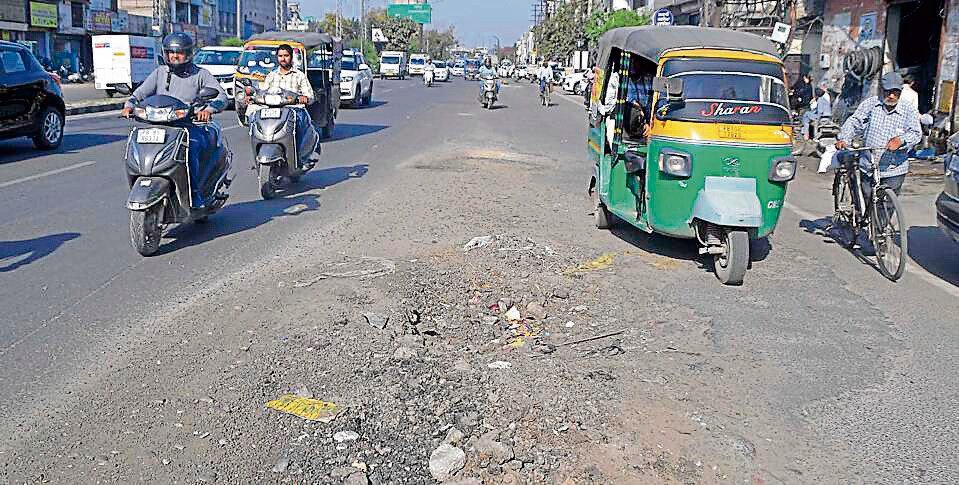
The budget proposal comes at a time when the civic body is facing mounting pressure to upgrade infrastructure that has struggled to keep pace with rapid industrial growth and population expansion. Recent reports indicate that the municipal corporation has been dealing with a widening revenue gap while preparing its new financial plan, with collections falling short of targets in the current fiscal year. Urban planners say the new budget reflects a broader shift in how large tier-two cities are approaching growth. Instead of expanding through large one-time projects, civic bodies are increasingly prioritising basic infrastructure such as roads, sewerage networks, and waste-management systems. Earlier civic proposals in Ludhiana, including a ₹42-crore waste-to-biogas plant and community sanitation projects, suggest the city is gradually moving toward more sustainable urban infrastructure.
The scale of the proposed outlay also highlights the growing financial complexity of municipal governance. Like many urban local bodies in India, Ludhiana depends heavily on state grants and central schemes to fund development work. A recent analysis of the city’s finances showed that delays in project execution and shortfalls in user-charge revenue have already slowed down several planned infrastructure upgrades. Industry experts say the timing of the budget is particularly important for Ludhiana’s economy. As one of north India’s largest manufacturing hubs, the city relies heavily on reliable roads, efficient waste management, and uninterrupted civic services to sustain industrial activity. Infrastructure projects such as the southern Ludhiana bypass and recent urban sanitation initiatives indicate that long-term economic growth will depend on how quickly civic infrastructure is upgraded.
The proposed budget also reflects a broader trend visible across Indian cities in 2026. Large municipal corporations are increasingly shifting spending toward infrastructure-heavy budgets as urban populations grow and climate-related challenges intensify. Recent civic budgets in cities such as Chandigarh and Mumbai have similarly prioritised core infrastructure, digital governance, and sustainable waste-management systems, suggesting that urban finance is gradually moving toward long-term resilience rather than short-term spending. For residents, the impact of the Ludhiana municipal budget will ultimately depend on execution. The city has seen several infrastructure proposals in recent years, but delays in tendering and project implementation have slowed progress on the ground. Urban governance experts say the real challenge will be whether the civic body can convert budget announcements into visible improvements in roads, drainage, and public services over the next year.
If implemented effectively, the new budget could help Ludhiana address long-standing infrastructure gaps while supporting more sustainable urban growth. The next stage will depend on how quickly projects move from planning to construction — a factor that will determine whether the city’s economic expansion can be matched by better urban infrastructure and improved quality of life for residents.