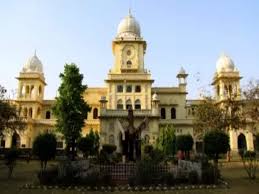
Lucknow University Seat Expansion Boosts Higher Education Access
Lucknow’s higher education landscape is set for a capacity expansion as University of Lucknow introduces over 3,100 additional seats across undergraduate and postgraduate programmes under its self-financed category. The move reflects growing demand for higher education in Uttar Pradesh’s capital and signals a shift towards market-linked academic expansion.
Officials indicate that the new seats will be distributed across multiple disciplines, including commerce, management, science, and vocational courses. Self-financed programmes—typically funded through student fees rather than government support—have emerged as a key mechanism for universities to scale capacity without straining public resources. The expansion comes amid rising competition for limited seats in traditional government-funded programmes. With urban populations growing and higher education participation increasing, institutions are under pressure to accommodate more students while maintaining academic diversity. The decision to add self-financed seats allows universities to respond more flexibly to demand, particularly in professional and skill-oriented courses. However, the model also raises questions around affordability and access. Self-financed programmes generally carry higher tuition fees compared to regular courses. For instance, fee structures across such programmes at the university can range significantly higher depending on the discipline, reflecting the cost of infrastructure, faculty, and specialised resources. Urban policy experts note that this trend is part of a broader transformation in India’s higher education ecosystem, where public institutions are increasingly adopting hybrid funding models.
While this enables expansion, it can also create a dual system—where access becomes linked to a student’s ability to pay, potentially widening socio-economic divides. From a city development perspective, the seat expansion carries implications beyond academia. Lucknow, as an emerging administrative and educational hub, is witnessing rising student migration from surrounding districts. Increased intake capacity can support the city’s knowledge economy, drive rental housing demand, and stimulate local services such as transport, food, and retail. At the same time, infrastructure readiness remains critical. Universities expanding intake must also scale classrooms, hostels, digital infrastructure, and faculty strength. Data suggests that hostel and campus facilities at the institution are already under pressure, with accommodation and associated costs varying widely depending on availability and demand. Experts also emphasise the importance of aligning course offerings with employability. Self-financed programmes often focus on industry-relevant skills, but without strong industry linkages and curriculum updates, there is a risk of producing graduates without corresponding job opportunities. The expansion aligns with national goals of increasing Gross Enrolment Ratio (GER) in higher education, a key policy priority under India’s education reforms.
By adding seats, institutions like the University of Lucknow contribute to widening access, particularly in tier-2 cities where demand is rising faster than infrastructure. Going forward, the effectiveness of this expansion will depend on balancing scale with quality and affordability. As cities like Lucknow position themselves as education hubs, ensuring inclusive access and sustainable infrastructure will be critical to translating seat growth into meaningful educational and economic outcomes.