


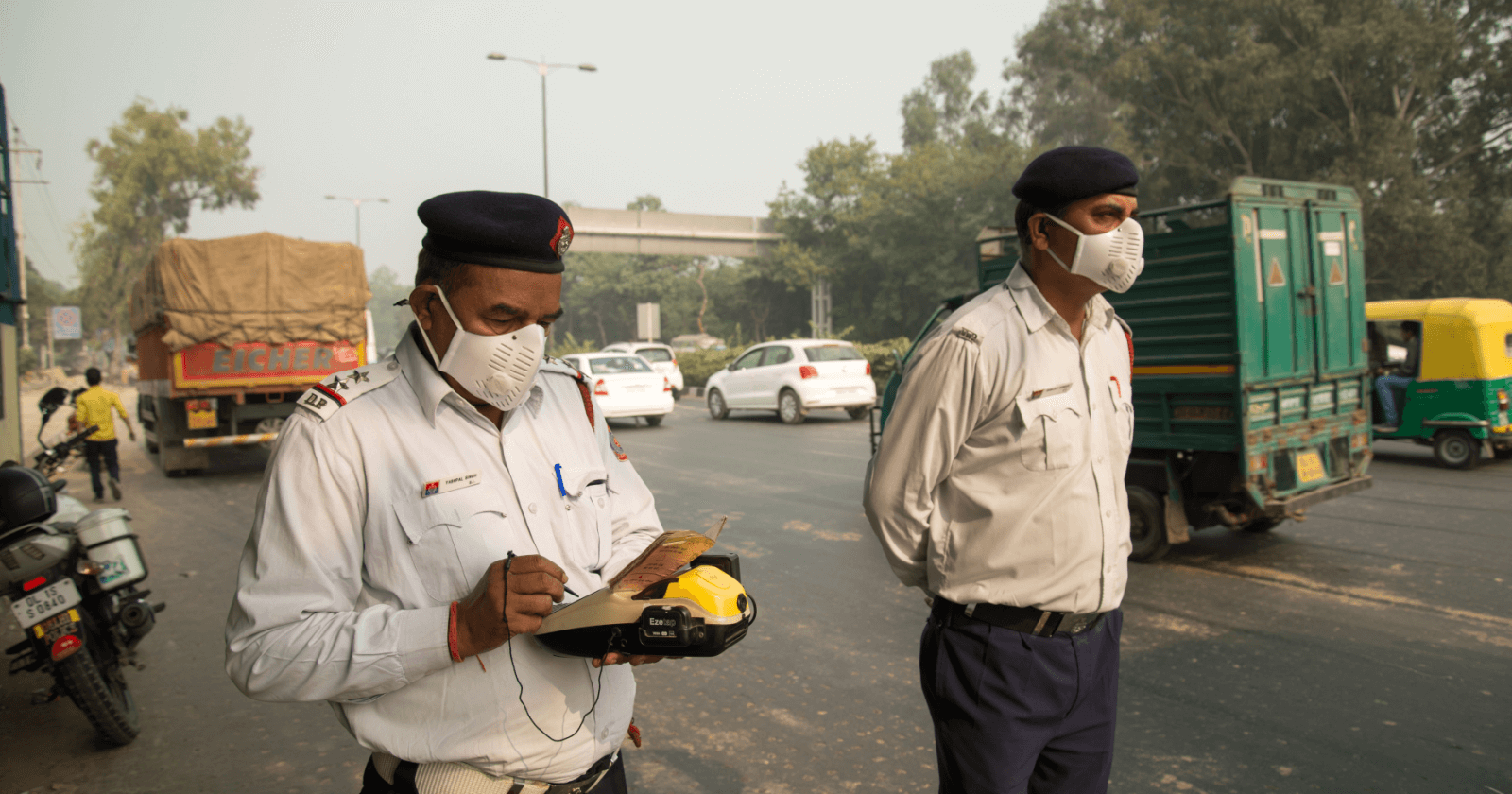
Lucknow’s traffic management framework is undergoing a quieter but consequential shift as traffic police personnel begin receiving structured training to recognise and manage early signs of fatigue, stress, and burnout. The initiative, conducted at a police training facility in the state capital, reflects growing recognition that mental well-being is now a core component of effective urban governance and road safety.
Around 120 traffic personnel participated in a focused programme designed to equip officers with practical stress-regulation tools that can be applied during active duty. Unlike conventional wellness sessions, the training prioritised techniques that require minimal time and space, enabling personnel to practise them while stationed at congested junctions or during extended peak-hour deployments.Urban mobility experts note that traffic policing is among the most psychologically demanding frontline roles in Indian cities. Long shifts, high noise levels, air pollution, irregular meals, and frequent confrontations with road users contribute to cumulative stress. When left unaddressed, this can affect reaction time, judgement, and interpersonal behaviour—factors that directly influence traffic flow, accident response, and public trust.
The workshop introduced methods drawn from evidence-based behavioural psychology, including controlled breathing, rapid grounding exercises, and techniques to interrupt negative cognitive loops. Officers were trained to identify early warning indicators such as declining concentration, irritability, physical exhaustion, and emotional detachment—signals often overlooked in enforcement-heavy policing environments.An interactive component allowed personnel to reflect on field experiences, from managing aggressive motorists to handling accident scenes under public scrutiny. Trainers provided scenario-based guidance on emotional regulation and de-escalation, linking personal well-being with professional conduct. Senior officials overseeing the programme indicated that the goal was not only individual resilience but system-wide efficiency.
From an urban planning perspective, the initiative carries wider implications. Traffic police serve as the human interface of city mobility systems. Their ability to remain calm, alert, and responsive affects pedestrian safety, public transport reliability, emergency response times, and even perceptions of city liveability. In dense and rapidly motorising cities like Lucknow, these human factors are increasingly seen as critical infrastructure.Public health specialists also point out that mental fatigue among frontline workers can compound safety risks during extreme weather events, air pollution episodes, or festival-related traffic surges—conditions expected to intensify with climate variability and urban growth.
Officials say the programme will be expanded in phases across traffic units, forming part of a longer-term effort to normalise mental health support within policing. While infrastructure upgrades and enforcement technology remain important, urban governance experts argue that such people-first interventions are essential for building resilient, humane, and efficient city systems.As Indian cities grapple with congestion, climate stress, and rising mobility demands, initiatives that strengthen the psychological capacity of those managing urban movement may prove as vital as new roads or signals.
Also Read:Lucknow Investor Summit Targets Five Growth Sectors
Lucknow Traffic Policing Gets Mental Health Upgrade
