HomeLatestLucknow To Reclaim Plots For Manufacturing Growth Lucknow To Reclaim Plots For Manufacturing Growth
Uttar Pradesh is preparing a new buy-back policy to recover long-unused industrial plots across several development authorities, aiming to convert dormant land banks into active manufacturing zones and support the state’s one-trillion-dollar economy ambition.
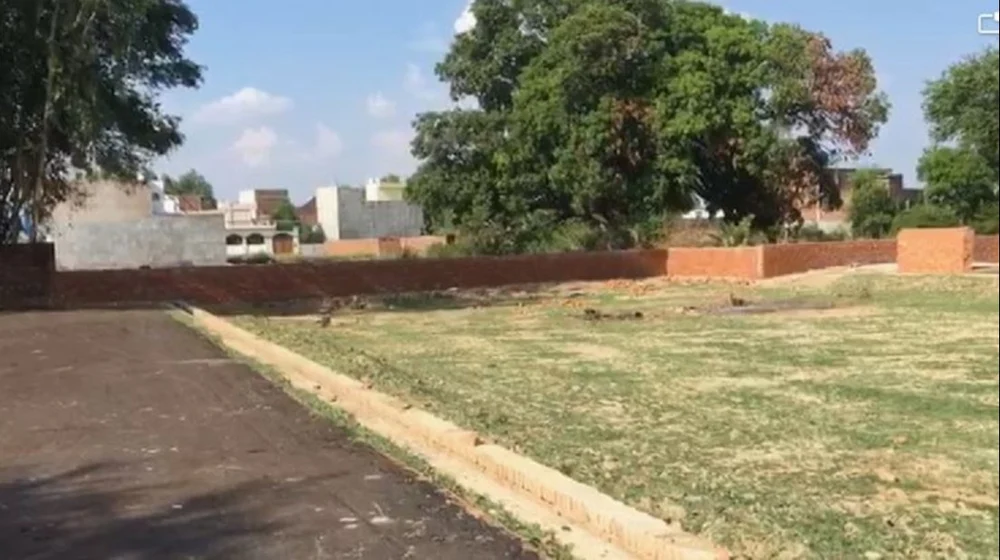
According to senior officials, a draft framework has already been circulated and is undergoing review. The proposed policy seeks to repossess land that has remained idle for years despite being allotted for factory development. Once repossessed, the land will be re-allocated to businesses ready to begin operations within clearly defined timelines. A senior government representative said the intention is to prevent speculative landholding, a trend that has historically stalled industrial growth and caused patchy urbanisation around key city clusters. “The goal is to make every acre productive and ensure that industrial expansion doesn’t come at the cost of fresh land acquisition where it isn’t necessary,” the official noted. Data presented during a recent departmental review has underscored the challenge ahead.
Against a target of allocating roughly 38,000 acres of industrial land in 2025–26, only about 1,010 acres have been allotted this financial year, despite more than 4,600 acres already being fully developed and available for allocation. Authorities privately concede that utilisation levels are far below expectation and that several estates risk falling into neglect if course correction is not executed quickly. Beyond plots held by private industrial allottees, the state is also assessing idle land controlled by sick public-sector enterprises and gram samaj bodies. Experts say that reviving such parcels could help limit the outward spread of industrial belts into agricultural and ecological zones, while ensuring cities grow in a compact and sustainable manner. “Recycling land is always greener than acquiring new land,” said an urban economist, adding that the policy could reduce displacement, infrastructure pressure, and emissions associated with greenfield expansion. Industry observers believe that a successful buy-back mechanism must be backed by transparent processes and predictable timelines to attract responsible investors.
They also highlight the need for coordination among industrial, urban development, and revenue departments to prevent administrative bottlenecks that have historically dampened investor confidence. If executed well, the policy could support balanced economic growth across the state’s smaller urban centres rather than concentrating industry only around major metros. With equitable job creation and reduced land misuse at its core, the move aligns with growing national interest in resource-efficient, climate-aware industrial development. The government has indicated that the final policy is expected to include measurable milestones and a monitoring framework. Industrial nodal agencies are likely to be held accountable for land audits and timely re-allocation. Stakeholders say the coming months will determine whether Uttar Pradesh can convert policy intent into practical progress — potentially reshaping the industrial map of the state without sacrificing environmental or urban-livability goals.
Lucknow To Reclaim Plots For Manufacturing Growth