Lucknow T20I Abandoned Due To Smog BCCI Considers Stopping Winter Matches
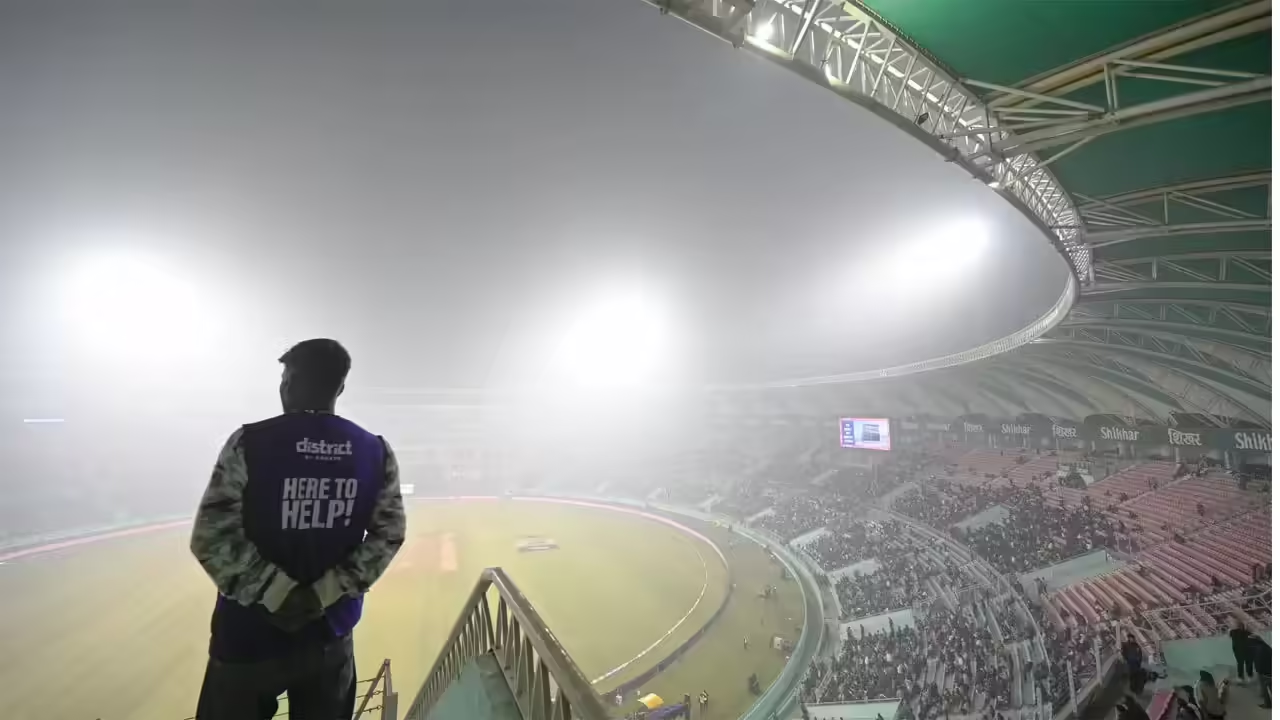
Lucknow witnessed an unprecedented disruption as the fourth T20I between India and South Africa was abandoned without a ball bowled due to dense smog. Air Quality Index levels soared above 400, placing conditions in the ‘hazardous’ category and forcing players to limit warm-ups. The cancellation has prompted the BCCI to reconsider winter scheduling in North India, highlighting growing concerns over player safety, fan experience, and the environmental impact of holding international matches in highly polluted cities.
The match, scheduled at the Bharat Ratna Shri Atal Bihari Vajpayee Ekana Stadium, was officially called off around 9:30 pm after six inspections by officials. By early evening, it was clear that conditions would deteriorate, prompting players to curtail warm-ups and spectators to leave in large numbers. Indian all-rounder Hardik Pandya was even seen wearing a surgical mask during warm-ups, a stark image symbolising the severity of the air pollution.A senior BCCI official acknowledged the gravity of the situation, noting that “the board will have to rethink winter scheduling and stop matches in North India. Air pollution can no longer be treated as a routine inconvenience; it is an emergency.” The statement underlines the mounting pressure on sports authorities to integrate environmental considerations into venue selection and match planning.
The broader controversy also reflects the seasonal environmental challenges faced by North Indian cities. The South Africa tour included venues such as New Chandigarh, Dharamsala, and Lucknow, where dense fog, low temperatures, and high pollution are common during November and December. Just last week, the Dharamsala T20I was contested in sub-10-degree temperatures, with players describing conditions as “quite challenging.” Experts suggest that holding winter matches in such locations increasingly risks player health and undermines the spectator experience.Urban planners and sports management specialists point out that these disruptions exemplify a growing intersection of urban air quality, climate, and public events. Large-scale matches in polluted cities not only endanger players but also strain fan engagement and logistical planning. Proposals now include shifting fixtures to southern or coastal regions during winter or enforcing environmental thresholds before confirming match schedules.
With no reserve day available, both teams will travel to Ahmedabad for the series decider, where air quality conditions are comparatively safer. For the BCCI, the Lucknow incident may act as a catalyst for long-term policy reforms that balance sporting priorities with environmental sustainability and public well-being. Beyond cricket, the episode reinforces a wider urban imperative: Indian cities must increasingly account for climate resilience and public health when hosting large-scale events.