


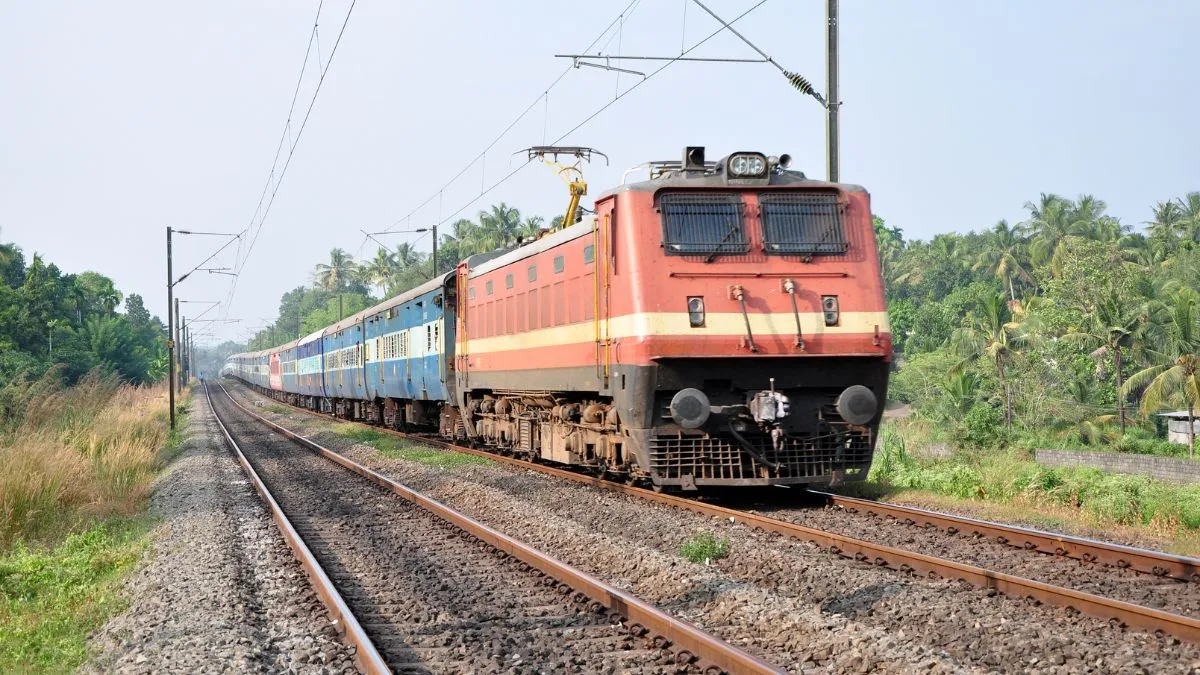
Indian Railways is preparing to launch a direct train service connecting Lucknow with Silchar in Assam, a move expected to significantly improve connectivity between Uttar Pradesh and India’s northeast. The proposed expansion, currently under feasibility review, represents the latest step in a larger strategy to integrate the region’s frontier states more closely with the national rail grid.
The plan includes extending existing services such as the Lohit Express and Amarnath Express to Silchar, alongside consideration for a new Lucknow–Silchar express via Prayagraj. According to officials, the proposal has already been forwarded to the Railway Board, with a detailed report awaited. If cleared, this line will not only improve travel options for passengers but also pave the way for future links between Lucknow and Aizawl, Mizoram’s capital.
Also Watch: An Exclusive Interview with Sanjeev Jaiswal (IAS), CEO MHADA
This development coincides with the inauguration of the new Bairabi–Sairang rail line in Mizoram, a landmark project that for the first time provides the state with direct access to the national network through Silchar. Experts suggest that these parallel initiatives reflect a broader strategy to deepen economic and social integration of the northeast, historically one of India’s most under-connected regions. Demand for northeast travel has also been rising sharply, fuelled by shifts in domestic tourism patterns and the growing perception of the northeast as a safer, greener alternative to conventional destinations. Railway officials indicate that extending trains to Silchar is not only a response to tourism but also part of a long-term plan to balance economic growth across states by building sustainable mobility corridors.
From a strategic perspective, the Lucknow–Silchar route is expected to strengthen supply chains and logistics between the Gangetic plains and the Brahmaputra valley. Analysts believe this would contribute to regional trade, particularly in agricultural goods and natural resources, while also improving accessibility to remote communities. Beyond commerce, the proposal also carries a social dimension, offering families in the northeast more reliable access to central India for education, healthcare, and employment.
Transport planners underline that connectivity expansion must be balanced with sustainability goals. While new rail corridors help reduce dependency on carbon-intensive road travel, they also require careful alignment to protect forests, rivers, and biodiversity in fragile ecosystems. Railways have emphasised that future construction will prioritise environmentally conscious design, including energy-efficient locomotives and green station upgrades, in line with India’s commitment to building a low-carbon infrastructure network.The final decision on the Lucknow–Silchar service will depend on the Railway Board’s assessment of technical feasibility and demand projections. Yet, there is little doubt that the proposal signals a significant policy intent one that places the northeast firmly at the centre of India’s mobility map. Success, however, will be measured not only by ribbon-cutting ceremonies but by how equitably and sustainably these projects bridge the long-standing gaps in connectivity.
