


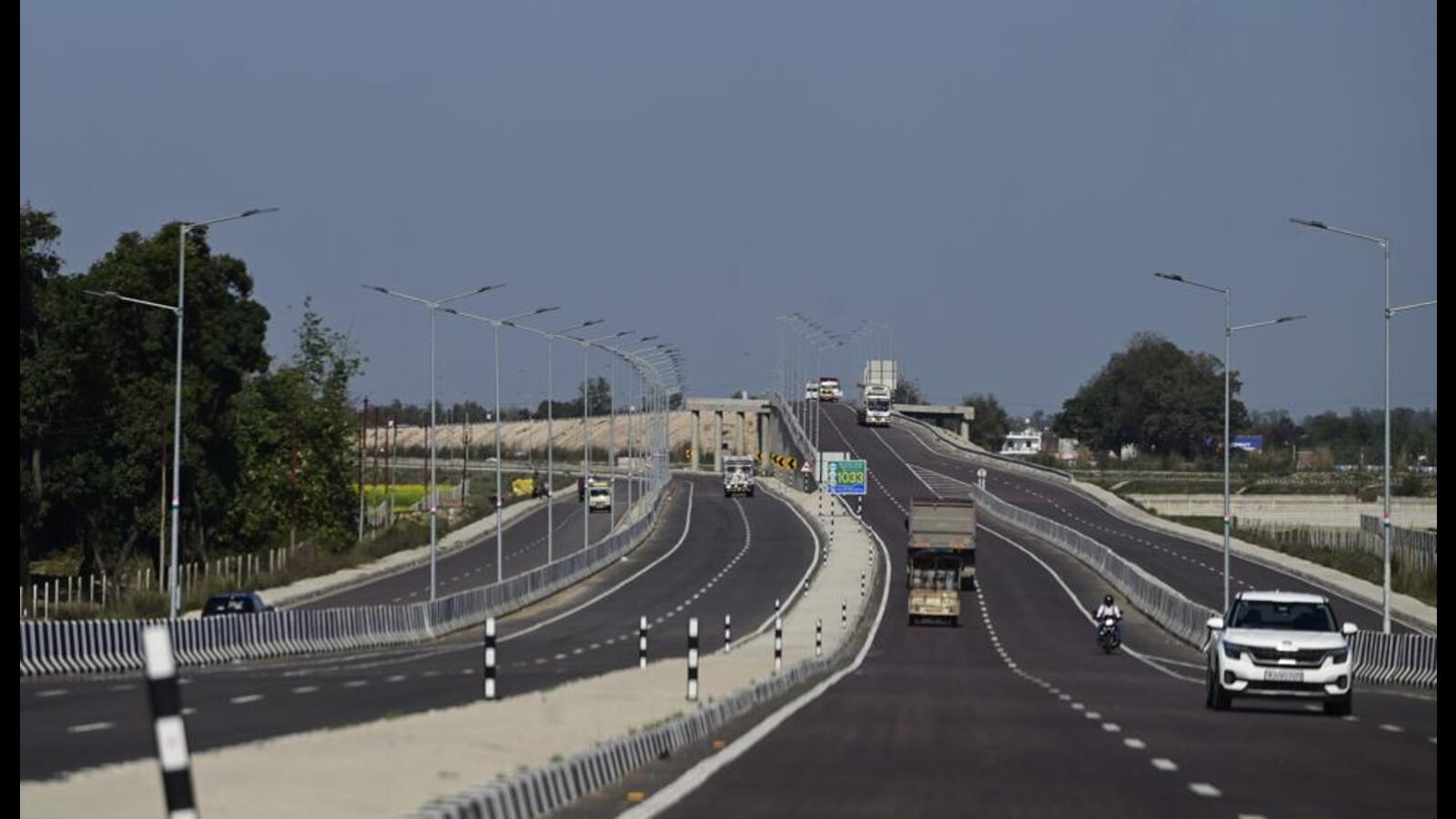
Uttar Pradesh’s upcoming State Capital Region (SCR) plan, centred around Lucknow, is poised to deliver improved infrastructure, faster intra-district mobility and a surge in employment opportunities.
Anchoring this vision is a proposed Outer Ring Road, which will link six key districts—Lucknow, Barabanki, Unnao, Hardoi, Sitapur and Rae Bareli—spanning an expansive 27,826 square kilometres. With the Lucknow Development Authority (LDA) finalising the tender to appoint a consultancy for preparing the masterplan, the SCR initiative is entering a crucial phase. Officials said the selected consultancy will develop the Detailed Project Report (DPR) for the Outer Ring Road and the broader SCR blueprint, modelled loosely on the National Capital Region (NCR) framework.
According to LDA vice-chairman Prathamesh Kumar, the masterplan will serve as a foundation for smart urban expansion while enhancing road and air connectivity. The Outer Ring Road is intended not just as a transport corridor, but as an engine to catalyse industrial hubs, residential clusters and commercial zones across the region. Among the key projects under the SCR framework are the IT City along Kisan Path, the 10,000-seat Mega Convention Centre, the Defence Industrial Corridor, and the PM MITRA Textile Park. Additionally, regionally distributed schemes such as the Mega Leather Cluster in Sandila, a biofuel plant in Sitapur, and the Trans Ganga City in Unnao aim to bring equitable industrial growth beyond the capital.
The infrastructure plan also focuses on enhancing transport integration. The SCR will connect to national economic arteries via the Agra–Lucknow Expressway, Purvanchal Expressway, NH-19 and the upcoming Ganga Expressway, ensuring seamless linkage to Delhi, Kolkata, Meerut and Prayagraj. Air travel is set to get a leg-up as well, with the Chaudhary Charan Singh International Airport serving as the primary hub, supported by airports in Kanpur and Ayodhya, and a flight training school in Rae Bareli. Beyond physical infrastructure, the SCR project aspires to build a resilient governance model. It will be overseen by a high-powered committee led by the Chief Minister, backed by the Chief Secretary and Divisional Commissioner, enabling fast-track approvals and synchronised planning across departments.
Officials emphasised that the SCR isn’t merely about creating infrastructure—it’s about shaping a people-centric economic corridor. With smart clusters, innovation zones, and eco-conscious urban planning, the project is positioned as a beacon for investment and sustainable growth in north India. If implemented with environmental foresight and inclusive policies, the SCR could serve as a blueprint for India’s future regional urban transformations—where mobility, sustainability and equity move in tandem.
Also Read: Mumbai to Launch 47 Inland Waterways for Green Cargo
