Lucknow Rolls Out QR Ticketing Across Metro Stations
Lucknow has introduced a QR-based ticketing system on its metro network, a move that aligns the city’s urban transport infrastructure with broader digital mobility trends and enhances the commuter experience on one of northern India’s rapidly expanding transit systems.
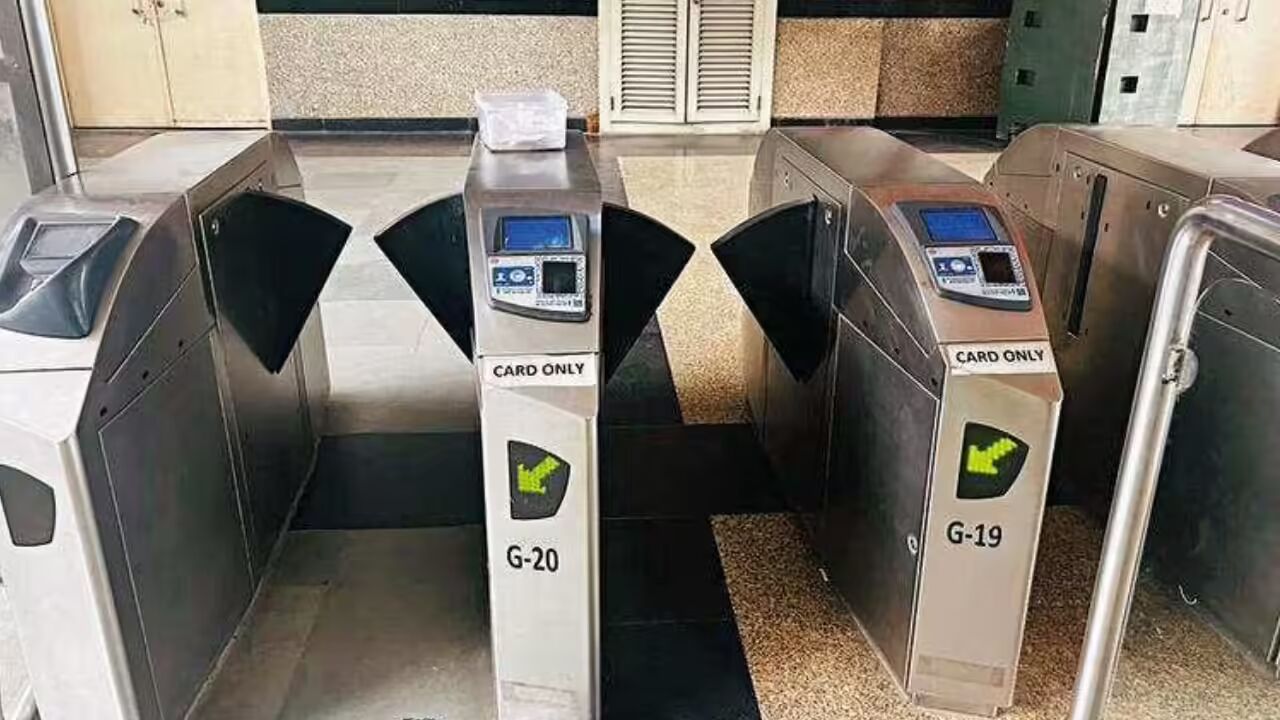
The Uttar Pradesh Metro Rail Corporation (UPMRC) rolled out the system this week, with the launch event held at Lucknow Metro’s Hazratganj station. The new ticketing modality allows passengers to book, pay for and validate metro travel using QR codes generated via the official metro mobile application, ticket counters or dedicated vending machines at stations. Under the updated system, commuters can obtain digital QR tickets on their mobile devices by using the Lucknow Metro official app available for both Android and iOS. Once booked, these QR codes can be scanned at Automatic Fare Collection (AFC) gates marked with yellow stripes to enter and exit stations. For those who prefer physical tickets, paper-based QR tickets can be purchased at station counters or from newly-installed QR-enabled Ticket Vending Machines (TVMs), which also support UPI payments. Existing token-based services will remain in operation on other machines to ensure inclusivity for all riders.
Urban planners and transport innovators say the QR ticketing rollout takes advantage of India’s expanding digital payments ecosystem, helping to reduce queue times and making metro travel more accessible, especially for infrequent passengers and visitors. “This initiative represents a significant step toward smart, data-driven public transport,” said an urban mobility analyst familiar with the region’s transit planning. “QR-based solutions reduce friction in passenger flow and reflect wider goals of digital integration in urban infrastructure.” The shift also mirrors national urban mobility trends where QR systems are gaining ground as cost-effective alternatives to traditional ticket media. QR ticketing can be deployed more swiftly and with lower hardware maintenance than card-based systems, while also supporting seamless mobile payments — a crucial advantage in corridors with high commuter turnover. From a sustainability perspective, QR ticketing systems can help transit authorities gather more granular ridership data, informing service planning, peak-load management and future network expansions.
Data-backed service planning is especially important for emerging urban hubs like Lucknow, where rapid population growth and shifting travel patterns demand flexible and scalable transport solutions. However, experts caution that the benefits of QR ticketing hinge on complementary support measures such as widespread digital literacy, consistent mobile connectivity and clear signage at stations. Ensuring that commuters can easily identify QR-enabled machines and understand how to use digital tickets is essential if the system is to meaningfully improve service efficiency. Looking ahead, the UPMRC has signalled plans to integrate the QR ticketing system with broader national frameworks such as the National Common Mobility Card (NCMC), which would allow passengers to travel across multiple regional metro systems with a unified payment mechanism. If implemented effectively, such interoperability could further boost the ease of intercity travel and support broader regional connectivity goals.
The QR ticketing launch underscores Lucknow’s commitment to modernising urban transport infrastructure and demonstrates how digital innovation can improve commuter convenience, reduce operational friction and support more sustainable mobility outcomes across India’s burgeoning metro networks.