Lucknow Residents Confront Cold Fog And AQI Challenges
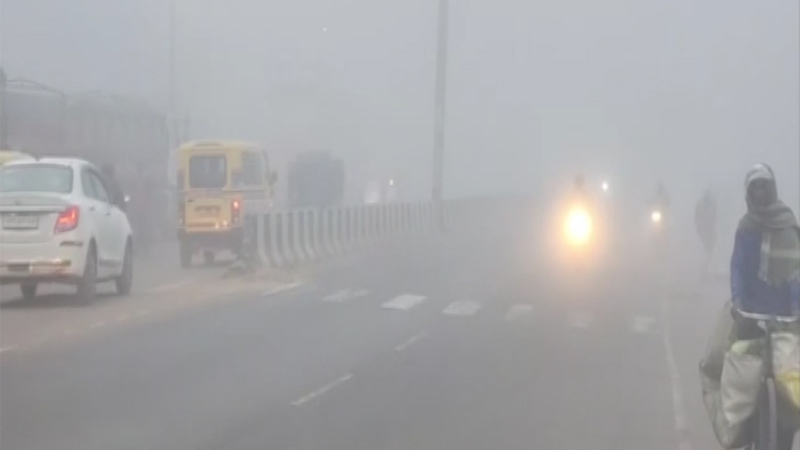
Lucknow is currently experiencing a persistent cold spell, with dense morning fog and deteriorating air quality affecting daily life and mobility. On January 9, 2026, the city’s minimum temperature is hovering around 7°C, while daytime highs are expected to reach 21°C. The combination of low temperatures and gusty winds is amplifying the chill, making early mornings and late evenings particularly harsh for residents.
Urban planners and environmental experts note that these conditions highlight the growing need for city-wide climate adaptation strategies. Dense fog, common during winter in northern India, is reducing visibility on key arterial roads, raising the risk of traffic incidents. Commuters and drivers are advised to exercise heightened caution, particularly during peak travel hours. Short daylight periods, with sunrise at 06:56 and sunset at 17:29, further compound the challenges of safe movement across the city.Adding to the public health concern is Lucknow’s air quality. The city’s Air Quality Index (AQI) has reached 179, categorised as “poor.” PM2.5 and PM10 levels remain elevated, which can exacerbate respiratory issues among vulnerable groups such as children, the elderly, and individuals with pre-existing conditions. Health specialists emphasise that extended exposure outdoors could increase the risk of bronchial irritation and other long-term respiratory complications. They recommend masks, limiting outdoor activity, and monitoring indoor air purification, particularly in residential complexes and schools.
Humidity levels in the city are low, at roughly 24%, intensifying the perception of cold. Atmospheric pressure remains steady around 1022 hPa, indicating minimal likelihood of significant weather changes in the immediate term. Forecasts suggest that these conditions will persist over the next week, with minimum temperatures consistently around 7–12°C. Urban authorities are monitoring the situation to manage traffic disruptions, advise public institutions, and coordinate emergency response where needed.From an urban resilience perspective, this pattern underscores two critical imperatives for Lucknow’s city planners and real estate stakeholders. First, infrastructure and transportation systems must incorporate design measures that account for reduced visibility and cold weather hazards. Second, improving urban air quality through stricter emissions regulations, promotion of public transport, and green cover expansion remains essential to safeguard citizen health during seasonal cold waves.
As residents brace for another week of low temperatures and dense fog, experts suggest pragmatic adjustments, including staggered travel schedules, community-level preparedness, and increased attention to energy-efficient heating in homes and workplaces. These measures not only improve daily life during extreme winter conditions but also align with broader goals of creating climate-resilient, inclusive, and healthy urban environments.