


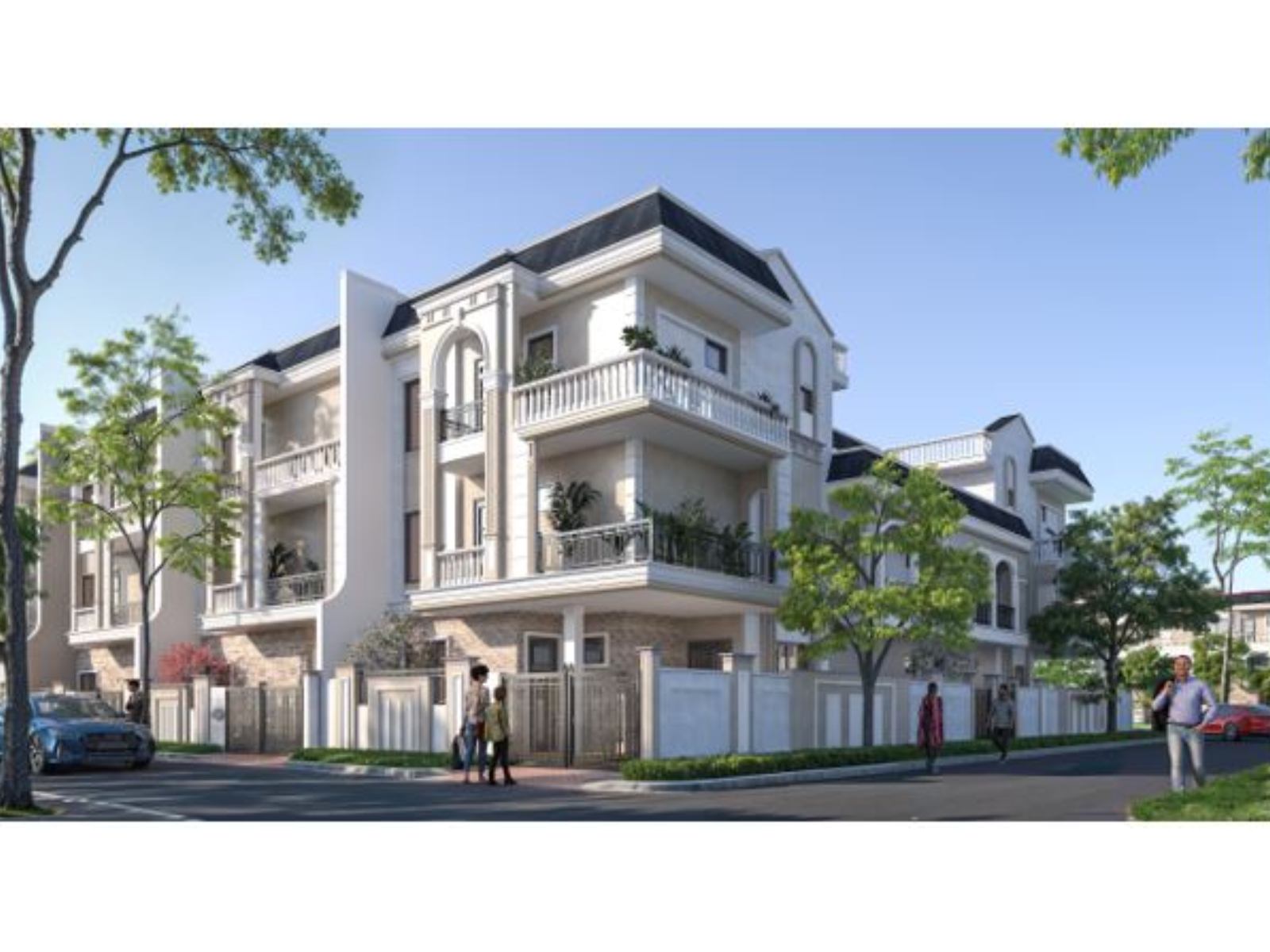
Lucknow’s residential market is entering a new phase as a large, technology-led villa development introduces artificial intelligence enabled living to the city’s premium housing segment. The project, located within the Lucknow Development Authority’s planned residential zone, reflects a broader shift in how Tier II cities are responding to rising lifestyle expectations, energy efficiency concerns, and evolving patterns of urban growth.
Spread across nearly ten acres, the gated villa community has received statutory planning and real estate regulatory approvals and will comprise a limited number of low-density homes. Urban planners tracking the city’s expansion say such developments mark a departure from conventional luxury housing, placing greater emphasis on digital infrastructure, open space planning, and long-term liveability rather than scale alone. The villas are designed around AI-driven home management systems that enable automated control of lighting, thermal comfort, security, and power consumption. Industry experts note that while smart-home features have been present in metropolitan markets for years, their structured deployment at community scale in Lucknow signals a maturing housing market. The use of intelligent systems is also being positioned as a tool to optimise energy use, aligning with wider goals of reducing operational carbon footprints in residential buildings. Beyond technology, the project reflects changing buyer profiles in the city. Lucknow has seen growing demand from professionals, entrepreneurs, and return migrants seeking larger homes with private outdoor spaces while remaining within urban limits. Analysts say this has renewed interest in villa formats that combine horizontal living with managed services, particularly in cities where land availability still allows lower-density planning.
The development includes shared amenities such as fitness areas, community spaces, pedestrian pathways, and landscaped zones. Urban design specialists point out that such features play a critical role in building social cohesion and encouraging active lifestyles, especially as Indian cities grapple with sedentary living patterns and shrinking public open spaces. From an economic perspective, projects of this nature also highlight how Tier II cities are becoming testing grounds for innovation in housing. By integrating advanced building systems and electric mobility infrastructure at the planning stage, developers are responding to both regulatory signals and buyer awareness around sustainability and resilience. This approach reduces the need for costly retrofitting and supports more predictable long-term maintenance outcomes. The arrival of AI powered villas Lucknow also reflects a broader decentralisation of luxury real estate in India. As affordability pressures persist in larger metros, cities like Lucknow are attracting capital and design innovation that was once limited to Tier I markets. Urban economists suggest this trend could help balance regional growth while creating new benchmarks for housing quality outside traditional commercial hubs.
Looking ahead, the success of AI powered villas Lucknow will likely depend on how effectively technology is integrated with everyday use and community governance. For city authorities and planners, such projects offer valuable insights into how intelligent housing can support inclusive, resilient urban growth provided it remains connected to public transport, civic infrastructure, and wider neighbourhood ecosystems.
Also Read: Ahmedabad Real Estate Redefines Urban Residential Aspirations
Lucknow Residential Growth Adopts Intelligent Home Design
