Lucknow Research Cell Boosts Medical Education Links
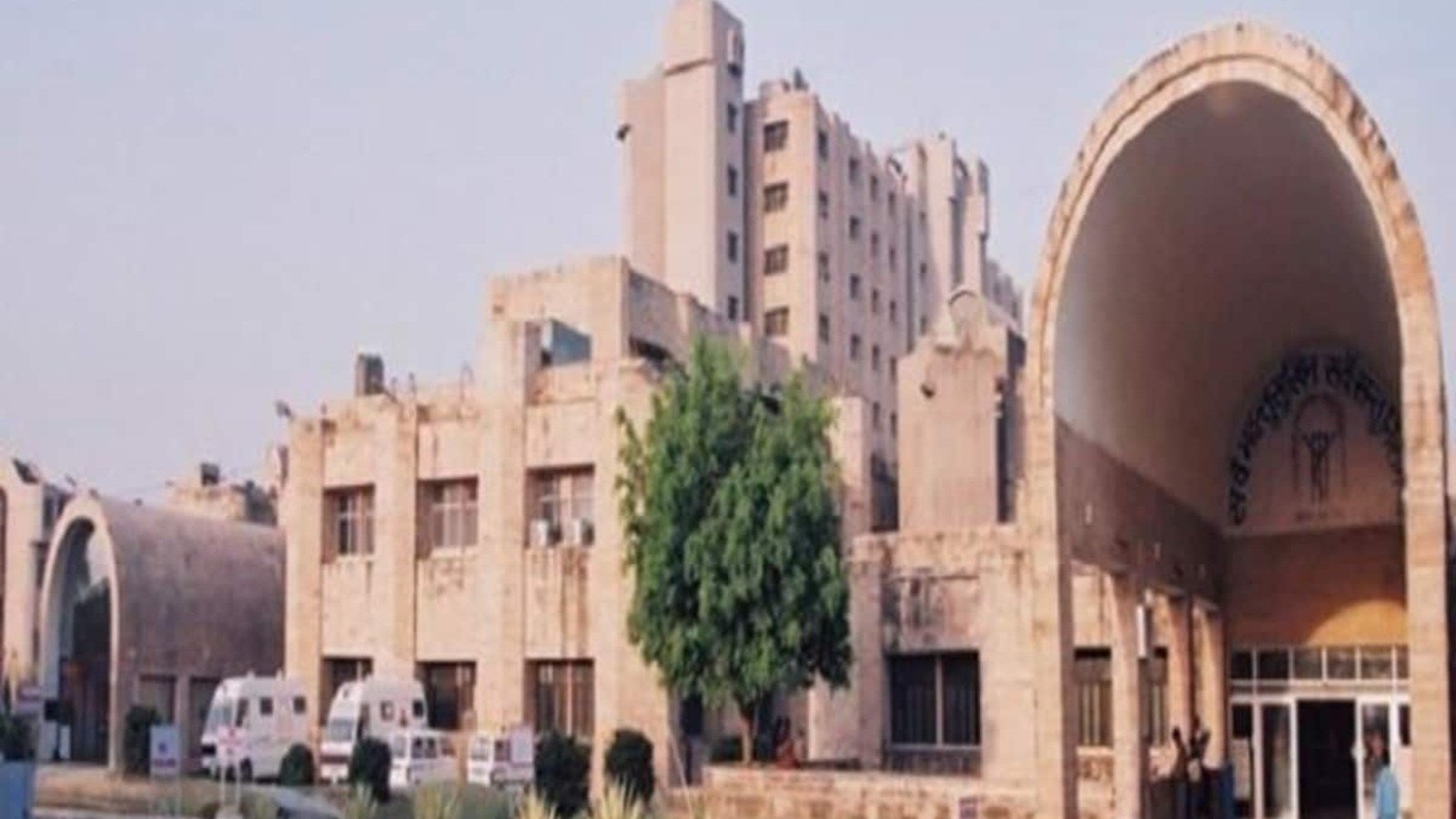
Lucknow’s premier government medical institute has established a new academic coordination unit aimed at expanding research collaboration and professional training across Uttar Pradesh’s medical education system. The initiative, developed in partnership with a national body dedicated to advancing biomedical sciences, is expected to strengthen knowledge exchange and continuing education among medical institutions throughout the state. The newly created platform will operate as a central hub for research engagement, training programmes and academic partnerships, linking a major tertiary healthcare institute in the state capital with dozens of medical colleges across Uttar Pradesh. Officials say the SGPGI medical education network will enable faculty members, researchers and students to participate in structured learning initiatives and collaborative research projects.
Health sector analysts note that such networks are becoming increasingly important as India expands medical education capacity to address shortages of trained healthcare professionals. Uttar Pradesh alone has seen rapid growth in the number of medical colleges over the past decade, making coordination between teaching institutions essential for maintaining consistent academic standards. Senior administrators involved in the initiative say the SGPGI medical education network will focus on strengthening continuing medical education, developing specialised research programmes and creating opportunities for faculty development. By sharing resources and expertise, the hub-and-spoke model aims to ensure that medical professionals across the state have access to updated clinical knowledge and emerging research findings. The platform is expected to support more than 80 medical colleges through digital and in-person academic exchanges. Experts say such collaboration could help reduce disparities in training quality between older teaching hospitals and newer institutions that are still building academic capacity. In addition to education and training, the programme is likely to support research initiatives addressing major public health challenges in the region. Medical experts involved in the project say interdisciplinary task groups will examine ways to reduce the burden of both infectious diseases and long-term non-communicable conditions, which continue to place significant pressure on India’s healthcare system.
Workshops organised through the initiative will also highlight diagnostic skills and clinical decision-making, areas considered essential for strengthening frontline healthcare delivery. For instance, specialists have already begun sharing training modules focused on interpreting medical imaging and recognising early signs of respiratory and cardiac illnesses. Urban health planners say stronger academic networks between tertiary institutes and regional colleges can also improve healthcare delivery in rapidly growing cities. As urban populations expand and health systems face rising demand, continuous training of doctors and researchers becomes critical for ensuring timely diagnosis, effective treatment and evidence-based policymaking. From a broader development perspective, expanding medical research and training infrastructure can contribute to more resilient health systems. Cities with strong academic medical centres often become hubs for innovation in healthcare technology, clinical research and public health policy.
Officials believe the initiative will help create a more connected and research-driven medical education ecosystem across Uttar Pradesh. If implemented effectively, the collaborative framework could strengthen clinical expertise, accelerate knowledge sharing and support long-term improvements in healthcare outcomes across both urban and rural regions.
Lucknow Research Cell Boosts Medical Education Links