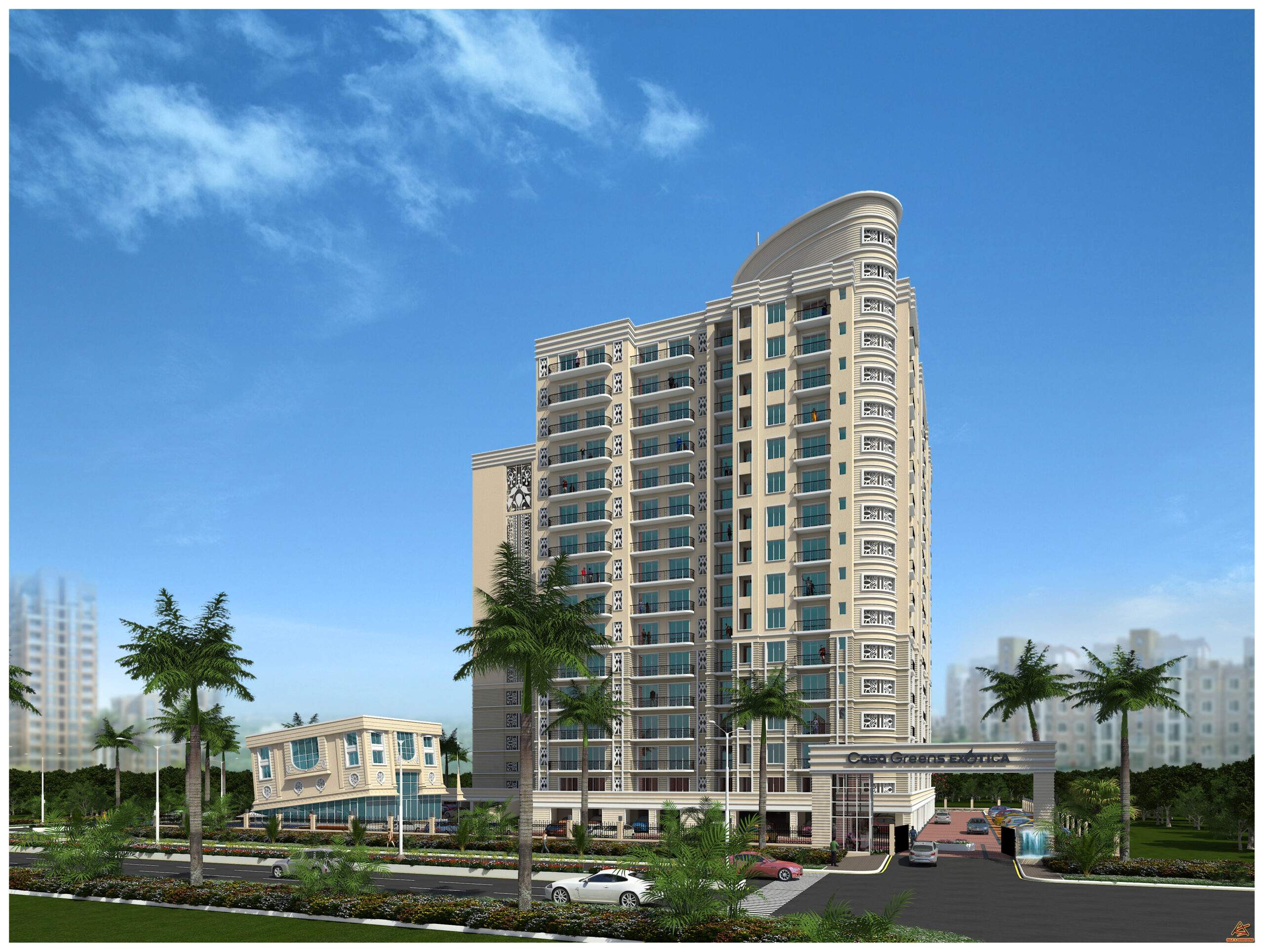
Lucknow’s real estate geography is undergoing a decisive transformation as new expressways and arterial corridors push residential and commercial growth far beyond the historic city core. Infrastructure-led expansion is reshaping how land is valued, developed and occupied, signalling a structural shift in the state capital’s urban form and investment dynamics.
Market data from property consultants tracking national trends show that land transactions in Tier II and Tier III cities surged sharply in the first half of 2025, overtaking volumes recorded across major metropolitan centres. This shift reflects growing developer confidence in emerging cities where infrastructure creation is unlocking scale, affordability and long-term growth potential. Lucknow has emerged as one of the strongest beneficiaries of this trend.
Within the city-region, development momentum is increasingly concentrated along high-capacity corridors such as Faizabad Road, Sultanpur Road, Shaheed Path and the Outer Ring Road belt. Areas once considered peripheral are evolving into structured urban districts, supported by planned housing clusters, institutional development, retail activity and healthcare infrastructure. Urban planners describe this as a transition from linear city expansion to a polycentric growth model, where multiple nodes share economic and residential functions.
The catalyst for this outward shift is a network of expressways that has significantly altered regional accessibility. The Purvanchal Expressway has tightened links between Lucknow and eastern Uttar Pradesh, while upcoming corridors connecting Kanpur and other economic centres are expected to deepen industrial and logistics integration. Combined with steady metro expansion, daily travel has become more predictable, reducing dependence on the congested inner city.
Industry experts note that this infrastructure backbone is changing buyer behaviour. Home seekers are increasingly prioritising larger layouts, cleaner environments and integrated amenities over proximity to traditional commercial districts. This has driven demand for plotted developments, low-rise housing and mixed-use townships that offer schools, green spaces and neighbourhood retail within walkable distances.
Importantly, price appreciation in these expressway-linked micro-markets is being driven largely by end-user demand rather than speculative churn. Developers active in these zones point to stronger holding power among buyers, including professionals, first-time homeowners and non-resident Indians seeking stable, long-term assets. This has encouraged greater emphasis on project phasing, infrastructure provisioning and regulatory compliance.
From an urban sustainability perspective, the expansion presents both opportunity and risk. Well-planned peripheral growth can reduce pressure on dense inner neighbourhoods, improve liveability and enable energy-efficient design at scale. However, experts caution that unchecked sprawl without transit integration, water planning and affordable housing provision could recreate congestion and inequity on the city’s edges.
As Lucknow continues to grow, the success of its outward expansion will depend on aligning real estate development with public transport, climate-resilient infrastructure and inclusive planning frameworks. The coming years are likely to determine whether these emerging corridors mature into balanced urban districts or simply extend the city’s footprint without delivering proportional social and environmental gains.
Also Read:
Lucknow Real Estate Shifts Beyond Core City