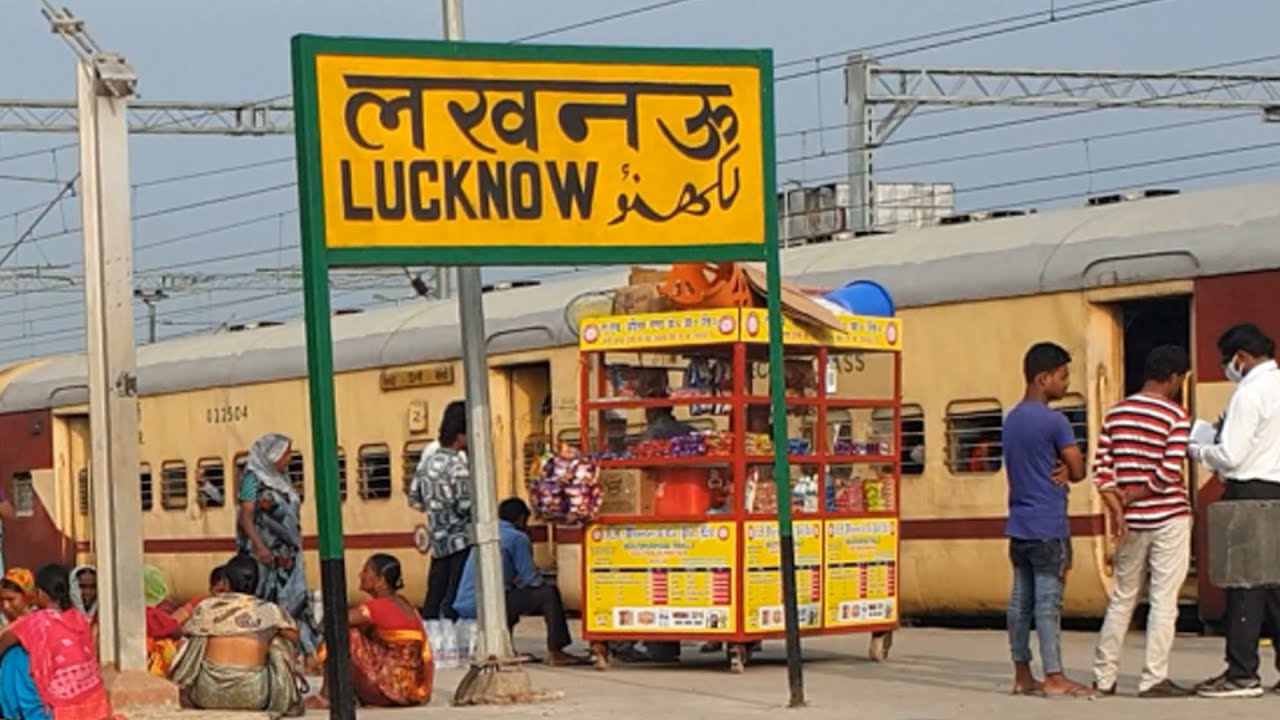
Lucknow Rail Institute Sets New Sustainability Benchmark
Lucknow has quietly strengthened its position within India’s rail ecosystem after a key railway training and management institute secured global environmental certification, reflecting a broader shift towards sustainability-led infrastructure governance. The recognition comes at a time when Indian Railways is under growing pressure to align operational efficiency with climate commitments and resource responsibility.
The Indian Railways Institute of Transport Management (IRITM), located in Lucknow, has been certified under ISO 14001:2015, an internationally recognised standard for environmental management systems. The certification assesses how organisations identify, manage, monitor, and control their environmental impact. For a national-level rail training institution, the move signals an institutional push to embed sustainability principles into the decision-making frameworks of future railway leaders. Officials familiar with the development said the certification followed a comprehensive audit of campus operations, covering energy use, water management, waste segregation, and internal monitoring mechanisms. The institute has progressively adopted measures aimed at reducing resource intensity, including improved energy efficiency, structured waste reduction practices, and better environmental reporting protocols.
Urban transport experts see the development as significant beyond the campus boundaries. Training institutes play a crucial role in shaping how large infrastructure systems are planned and operated. By institutionalising environmental management standards at the training stage, Indian Railways is likely to influence how future transport projects balance operational scale with environmental accountability. The timing is also notable as northern India continues to expand rail-based connectivity to support regional mobility and economic growth. On the same corridor of transformation, Northern Railway has announced the launch of a new Amrit Bharat Express service connecting eastern and northern India, with a scheduled halt in Lucknow. The service is expected to improve long-distance connectivity for passengers while easing pressure on existing routes.
Together, these developments highlight the evolving role of Lucknow within India’s rail network not just as a transit node, but as a centre for institutional capacity-building. Improved rail services can support inclusive growth by enhancing access to jobs, education, and markets, particularly for smaller cities and towns along major corridors. At the same time, sustainability specialists caution that certifications must translate into long-term practice. Continuous audits, behavioural change, and integration of environmental metrics into operational training will determine whether such milestones lead to measurable reductions in carbon footprint and resource use. For cities like Lucknow, where urban expansion and transport demand are rising simultaneously, aligning skills development with climate-conscious infrastructure planning is becoming essential. Rail systems are central to India’s low-carbon mobility strategy, and strengthening environmental governance at institutional levels can have cascading benefits across projects and regions.
As rail services expand and modernise, the focus is gradually shifting from capacity alone to quality, resilience, and environmental performance. The challenge ahead lies in ensuring that these standards shape everyday operations across the rail ecosystem, supporting cities that are more connected, efficient, and prepared for a low-carbon future.