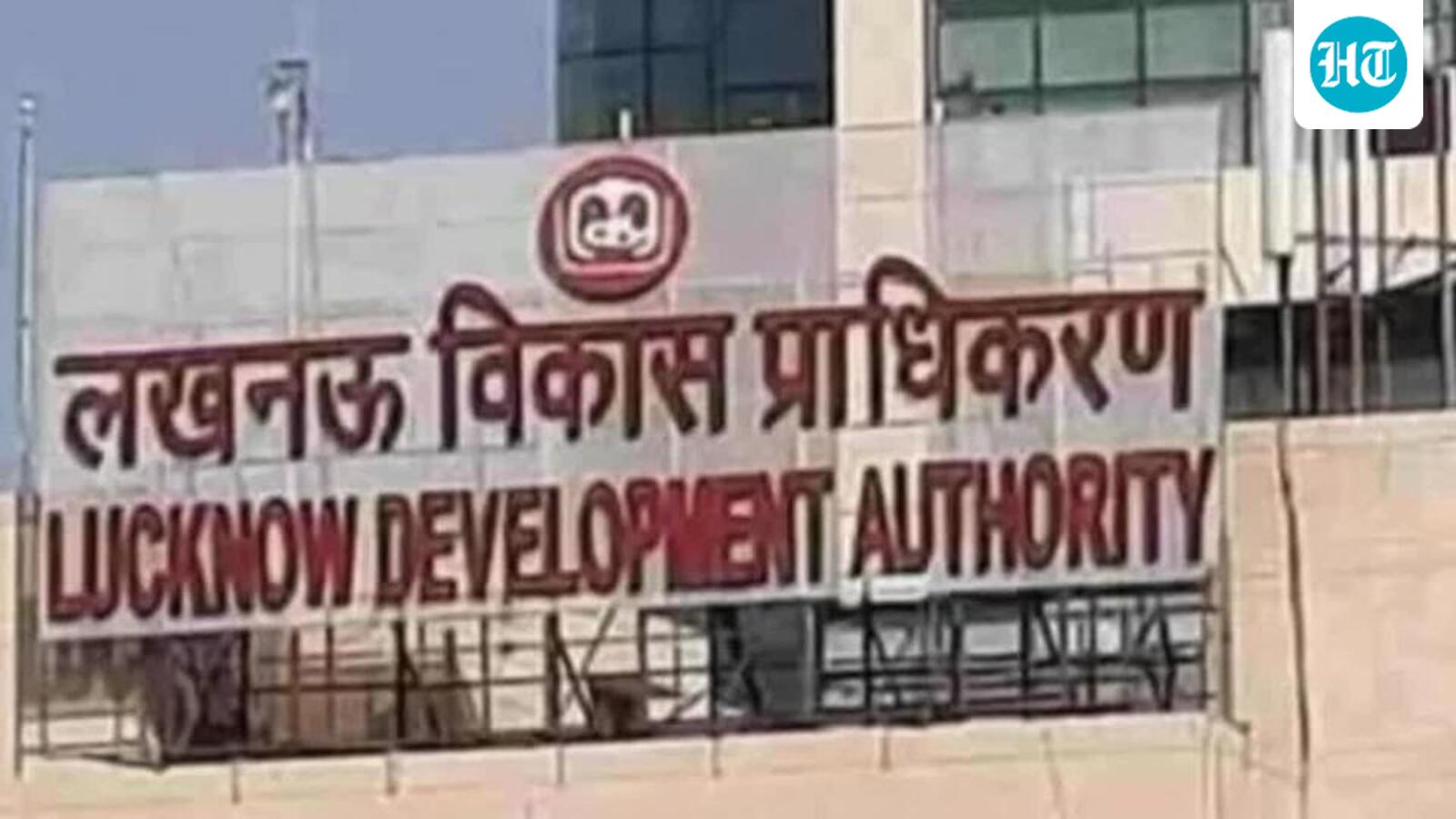
Lucknow Private Townships Face Regular Oversight To Enhance Resident Experience
Lucknow residents in private townships can expect improved oversight of essential services following directives from Divisional Commissioner Vijay Vishwas Pant. During a recent Lucknow Development Authority meeting, Pant instructed officials to conduct strict monitoring of infrastructure, including sewage treatment plants, power substations, sewer lines, and other critical utilities. Pollution Control Board inspections and regular BOD, COD, and faecal coliform tests for STPs will be mandated, ensuring functional systems and reducing inconvenience to residents across upcoming residential projects like Varun Vihar, Naimish Nagar, IT City, and Wellness City.
Lucknow is taking steps to strengthen infrastructure oversight in private residential townships, aiming to safeguard residents’ access to essential services and maintain urban livability standards. Divisional Commissioner Vijay Vishwas Pant recently issued directives during a meeting of the Lucknow Development Authority (LDA) to implement regular monitoring of township utilities, highlighting the need for proactive governance in rapidly developing areas.The measures focus on systematic inspections of sewage treatment plants (STPs), which will now undergo periodic testing for biochemical oxygen demand (BOD), chemical oxygen demand (COD), and faecal coliform levels under the supervision of the Pollution Control Board. These checks aim to ensure compliance with environmental standards, prevent health hazards, and maintain water quality for township residents.
In addition, the monitoring framework extends to power substations, sewer pipelines, and other critical infrastructure. Officials are required to verify operational reliability, identify maintenance gaps, and coordinate with private developers to ensure uninterrupted service delivery. By instituting structured oversight, the city seeks to prevent disruptions that often accompany rapid urban expansion and to enhance resident confidence in private township management.During the LDA review, officials also assessed the progress of upcoming residential schemes, including Varun Vihar, Naimish Nagar, IT City, and Wellness City. Land pooling and acquisition work in these areas were deemed satisfactory, providing a foundation for planned urban growth. The structured monitoring strategy underscores the administration’s commitment to aligning private development with broader urban sustainability and public welfare objectives.Experts note that in India’s growing cities, unregulated township development can lead to service deficiencies, environmental risks, and inequitable access to utilities. Regular oversight mechanisms, like those introduced in Lucknow, allow municipal authorities to intervene early, reduce long-term costs, and ensure compliance with environmental and urban planning regulations.
By combining proactive monitoring, regulatory checks, and collaboration with private developers, Lucknow is setting a precedent for integrating accountability into urban expansion. Residents can expect improved reliability of essential services, better environmental compliance, and a more sustainable township experience, reflecting the city’s ongoing focus on equitable and resilient urban development.