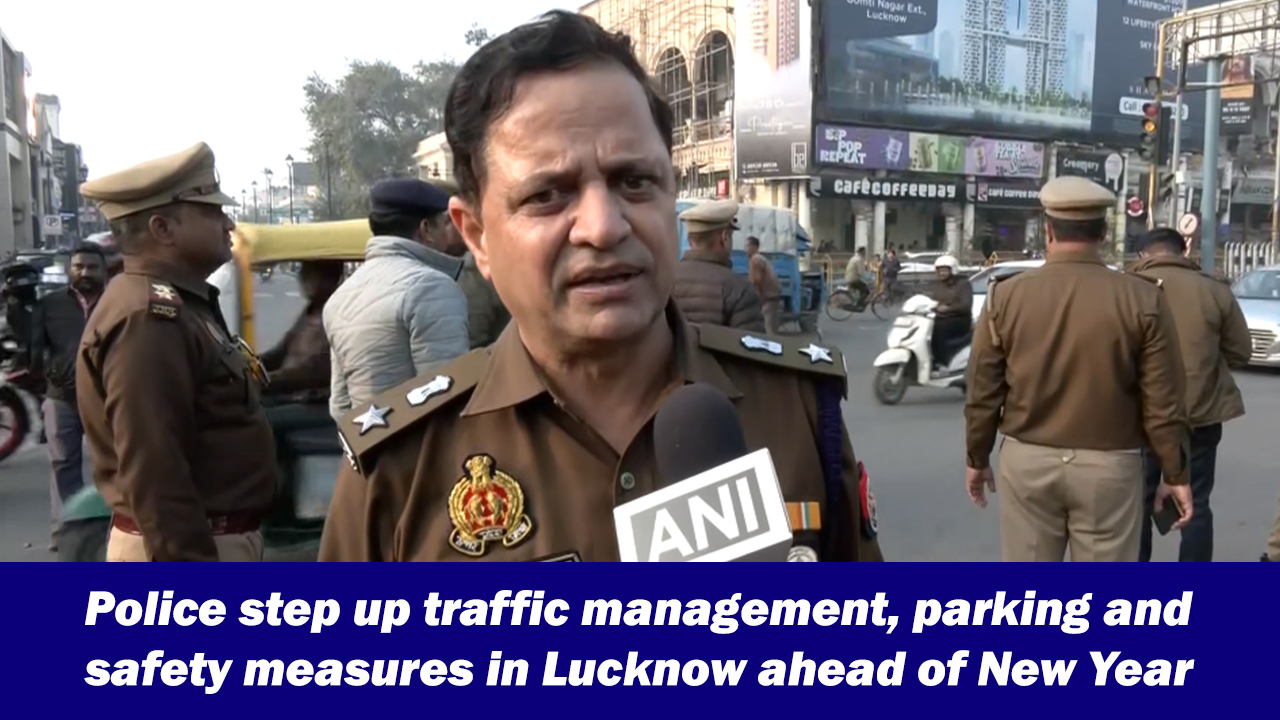
Lucknow’s Charbagh area witnessed an extensive police checking drive on New Year’s Day, reflecting a proactive approach to urban safety and public order during peak festive activity. The exercise, coordinated by the Deputy Commissioners of Police (DCPs) across multiple zones, focused on hotels, public spaces, and transport hubs to ensure that safety standards were maintained and potential risks mitigated as the city welcomed 2026.
According to city law enforcement officials, the drive was initiated following intelligence inputs received by the DCP West zone. Officers conducted systematic inspections, monitored crowd movement, and verified compliance with safety regulations, while gathering real-time information from residents, business owners, and event organisers. The presence of senior police officials across the zones underscored a coordinated strategy to maintain public confidence and respond rapidly to any security concerns.Urban safety experts note that Charbagh, a major commercial and transport hub in Lucknow, experiences heightened activity during festivals and long weekends. Concentrated security efforts in such areas are critical not only for preventing crime but also for ensuring smooth urban mobility and access to public services. By combining field inspections with intelligence-led monitoring, authorities aim to reduce risks from congestion, unattended gatherings, and potential law-and-order incidents.
The operation also demonstrates the growing integration of civic planning with policing. High-density neighbourhoods, mixed-use commercial zones, and public transport nodes require adaptive management to handle both safety and accessibility concerns. Experts suggest that such drives, when executed with data-driven insights and community engagement, enhance citizen trust in municipal and police services while supporting resilient urban operations during high-traffic events.While the immediate focus was on festive safety, the exercise also provides insights into the city’s preparedness for emergencies, including crowd management, first-responder coordination, and monitoring of transient populations in public spaces. Analysts note that the integration of zonal DCPs in operational oversight is a model for structured urban security management, balancing preventive enforcement with minimal disruption to daily life and local commerce.
Looking ahead, city officials plan to analyse outcomes from the drive to refine strategies for large-scale public events and high-traffic periods. Continuous monitoring, targeted inspections, and alignment with urban mobility and infrastructure planning are expected to enhance Lucknow’s resilience, enabling the city to maintain safety, accessibility, and citizen confidence throughout peak periods.