Lucknow Plans ₹300 Crore Each For Roads And Waste Management
The Lucknow Municipal Corporation (LMC) is shaping its 2026-27 budget with a strategic emphasis on enhancing road infrastructure and solid waste management, proposing allocations of ₹300 crore for each sector to tackle longstanding urban service pressures.
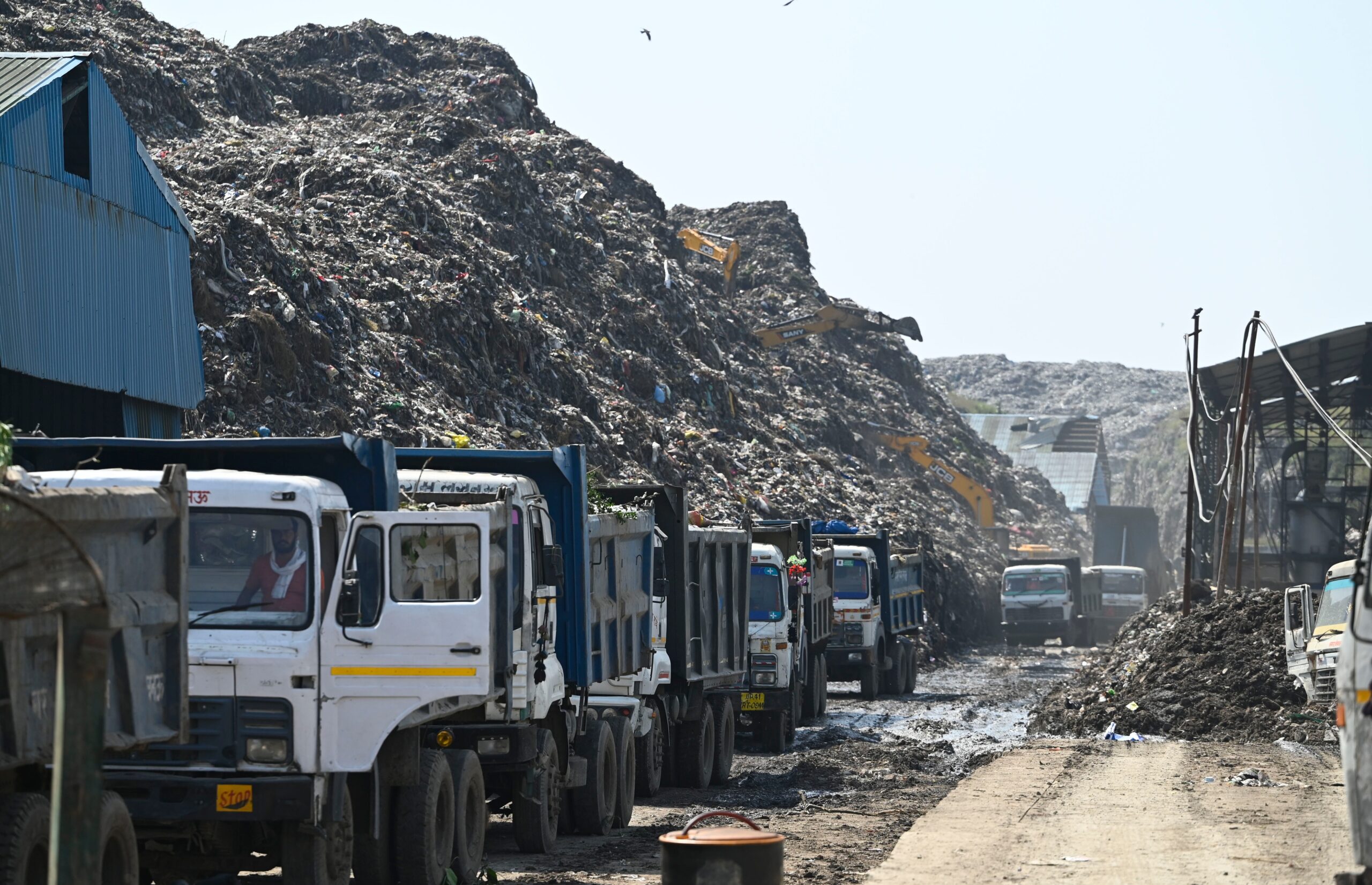
The prospective ordinance highlights two critical areas of civic service delivery where sustained investment is seen as essential to improving mobility, sanitary conditions and quality of life in one of Uttar Pradesh’s fastest-growing urban regions. Civic planners in Lucknow have identified road conditions — including congested corridors, uneven pavements and drainage-related deterioration — as major friction points in urban mobility. The proposed ₹300 crore outlay for roads is expected to support widening projects, resurfacing of key arterial routes, drainage integration and repair of deteriorated pavements across municipal wards. Authorities indicate that targeting structural weaknesses in transport links will improve connectivity within the city and to emerging peri-urban zones experiencing rapid residential and commercial growth. Solid waste management has similarly emerged as a top concern. LMC’s proposed budget earmarks ₹300 crore toward modernising waste collection systems, investing in mechanised sweeping equipment, upgrading transfer stations and expanding segregation-at-source initiatives.
These steps align with efforts to reduce illegal dumping, improve recycling rates and bolster sanitary conditions in residential neighbourhoods as well as public spaces that attract high footfall. While exact budget details are still under deliberation, municipal officials suggest that these targeted allocations reflect broader aspirations to make Lucknow’s basic civic infrastructure more robust and future-ready. Public service bills and surveys consistently point to potholes, inadequate street lighting and overflowing waste bins as issues impacting both everyday life and perceptions of urban governance. Enhanced funding signals a willingness by the LMC to address these concerns through sustained capital deployments. Urban governance analysts say that setting aside dedicated funds for roads and waste services is a pragmatic move, particularly in cities experiencing rapid demographic and economic change. Lucknow’s expanding population and proliferating commercial activity have intensified pressure on municipal services, often leading to uneven service delivery.
By ring-fencing significant budget lines for these core functions, civic authorities aim to reduce service gaps and enhance operational accountability for results. The emphasis on infrastructural repairs and waste management also aligns with broader environmental and health priorities. Improved roads with proper drainage can reduce traffic congestion and limit water stagnation during monsoon seasons, while effective waste systems can curtail vector-borne disease risks and reduce roadside pollution. These investments dovetail with national urban missions that encourage cities to pursue integrated, climate-sensitive service interventions. Nevertheless, experts caution that budgetary allocations must be accompanied by strong execution frameworks. Transparent tendering, quality control mechanisms and real-time project monitoring are essential to ensuring that funds translate into tangible outcomes rather than incremental, short-lived fixes. Coordination between the LMC’s engineering, sanitation and planning wings will be crucial to synchronise roadworks with waste infrastructure upgrades without compounding disruption to residents.
As Lucknow finalises its municipal budget, attention will also turn to how revenue gaps are managed and whether additional funding — including state or central transfers and public-private partnerships — can be leveraged to amplify impact. The proposed focus on roads and waste management reflects a broader municipal pivot toward strengthening citizen-facing services, unmistakably linked to everyday urban resilience and liveability.