


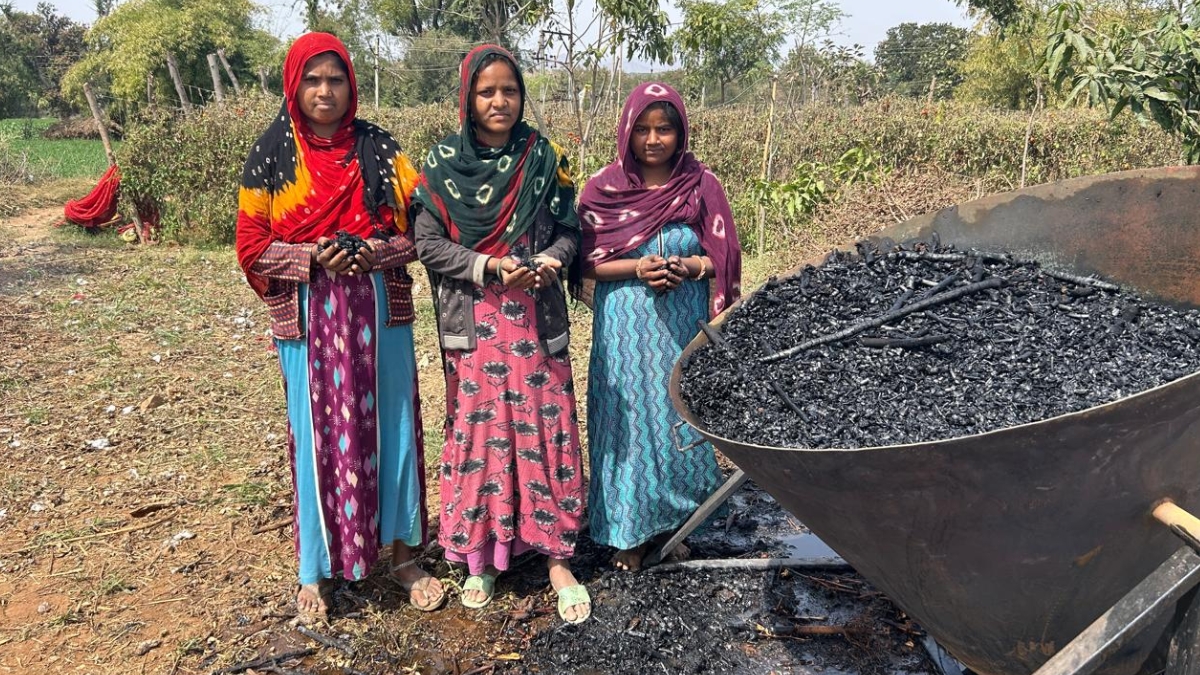
Lucknow is moving to convert hundreds of its rural settlements into structured “model villages” centred on scientific waste handling and basic civic services, marking one of the largest decentralised sanitation drives in the state. Officials say 691 villages in the district, and over 9,000 across the wider division, have been identified for phased transformation.
At the heart of the programme is a low-cost, community-funded waste collection system. Households will contribute Re 1 per day for door-to-door waste collection, while commercial establishments and schools will pay a modest monthly charge. The funds will cover sanitation staff wages and operational costs, reducing reliance on irregular grants.District-level authorities have prepared a blueprint that prioritises segregation at source and the establishment of Resource Recovery Centres in villages. Waste is being collected using battery-operated rickshaws and transported to these centres, where dry and wet waste streams are separated. Recyclables are channelled to scrap dealers, while organic waste is processed into compost.
Urban planners say this decentralised approach reflects lessons learned from city-level waste crises. By embedding segregation and recovery at the village level, the administration aims to prevent landfill accumulation and reduce open dumping — issues that often spill over into peri-urban zones as cities expand.A senior official in the rural development department said verification of selected villages is under way in several districts to ensure compliance with sanitation benchmarks. In Lucknow district, most villages have already operationalised the Re 1 collection model, with daily waste lifting reported from households.
The initiative spans multiple districts in the division, including Hardoi, Unnao, Sitapur, Lakhimpur Kheri and Raebareli. Together, these districts account for nearly 10,000 villages identified for conversion into model settlements with upgraded sanitation and local infrastructure.Experts in rural infrastructure argue that sustained waste management is critical as villages become economically integrated with nearby urban centres. Improved cleanliness standards not only enhance public health outcomes but also make rural real estate more attractive for small enterprises, agro-processing units and residential development.
Environmental specialists note that composting organic waste locally can improve soil health and reduce dependence on chemical fertilisers, aligning sanitation reform with climate-resilient agriculture. Meanwhile, the use of electric vehicles for collection reduces local air pollution and operating costs.Administrative oversight remains central to the programme’s success. Senior district officials have been conducting field inspections and review meetings to monitor performance and troubleshoot gaps in logistics or community participation.
If fully implemented, the Lucknow model villages framework could provide a replicable template for integrating sanitation, circular economy practices and rural infrastructure planning. The next phase will depend on consistent user participation, transparent financial management and scaling up resource recovery capacity to keep pace with growing waste volumes as rural settlements urbanise.
Also Read:Nashik Removes Over 27 Unauthorised Structures In Milindnagar
Lucknow Model Villages Lead Waste Reform
