


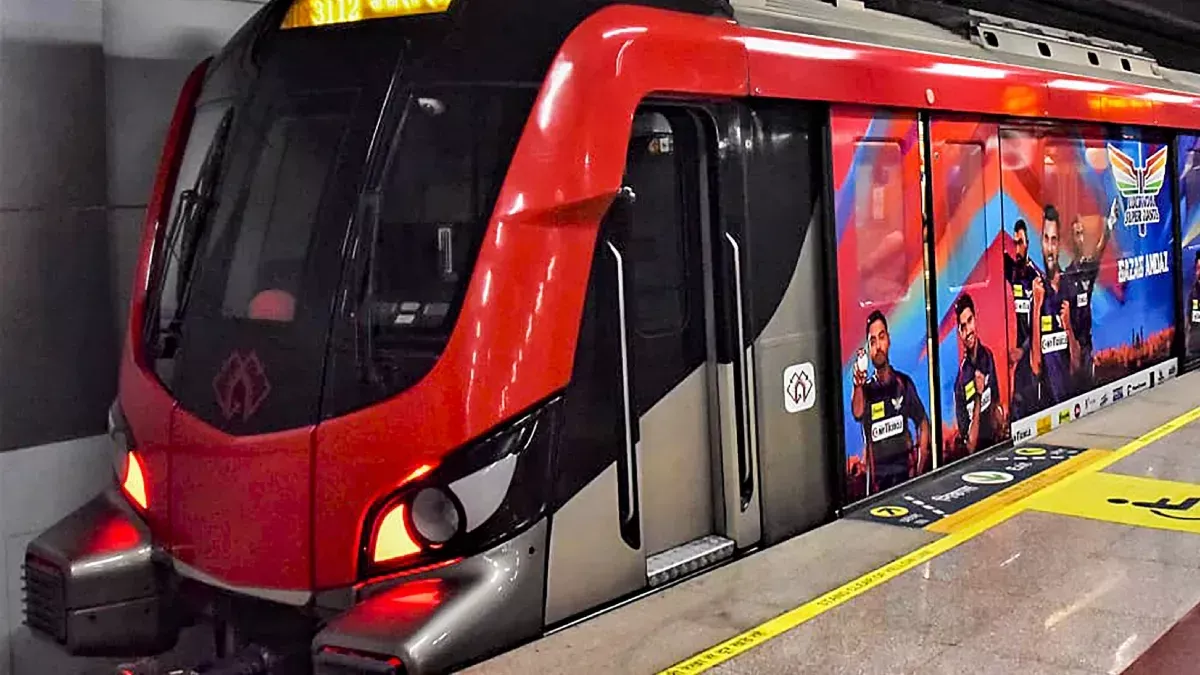
Lucknow’s urban transit system has moved fully into contactless ticketing with the launch of QR-based entry across its network, marking a significant step in digital mobility reform. The Uttar Pradesh Metro Rail Corporation has enabled QR code ticketing at all operational stations of the Lucknow Metro, allowing passengers to travel without physical tokens.
The Lucknow Metro QR Ticketing system permits commuters to generate a digital travel pass through a mobile application or purchase a printed QR ticket from station vending machines and counters. At entry and exit gates, passengers scan the QR code at designated panels, replacing the earlier token-based validation process.Transport planners say the Lucknow Metro QR Ticketing rollout reduces queuing time and minimises physical contact points — a shift aligned with post-pandemic urban design priorities. Digital tickets can be purchased using UPI, debit or credit cards, reflecting India’s rapid adoption of cashless payment systems.
Officials involved in the project indicated that the QR platform has been integrated with automated fare collection gates to ensure smooth passenger flow during peak hours. Commuters using smartphones must present an active screen for scanning, while those opting for station-issued printouts can use paper QR slips.Urban mobility analysts observe that such systems are increasingly common across Indian metro networks. The Delhi Metro Rail Corporation offers QR ticketing through its app and selected digital wallets, while Bangalore Metro Rail Corporation Limited and Chennai Metro Rail Limited have introduced app-based and third-party QR integrations. In Mumbai, QR access on select corridors operates through Open Network for Digital Commerce-linked platforms.
For Lucknow, the digital shift carries implications beyond commuter convenience. Contactless ticketing improves data capture on travel patterns, which can inform route optimisation and service frequency adjustments. Transport economists note that reliable ridership analytics help transit agencies plan energy-efficient operations and reduce idle train movement.The Lucknow Metro QR Ticketing initiative also supports broader sustainability goals. By simplifying access to rapid transit, authorities hope to encourage a modal shift from private vehicles to public transport. Reduced dependence on cars can lower congestion and emissions in a city experiencing steady population growth.
Digital ticketing, however, raises inclusion considerations. Experts caution that transit systems must retain alternative payment methods for passengers without smartphones or digital literacy. Maintaining vending machines and staffed counters remains essential to ensuring equitable access.As Lucknow expands its metro footprint in the coming years, technology-led reforms such as QR ticketing are expected to shape commuter behaviour and real estate dynamics around stations. The next phase will likely involve deeper integration with multimodal transport, enabling seamless transfers between metro, buses and emerging electric mobility networks.For a growing state capital, the success of QR-based ticketing will ultimately be measured by its ability to make daily travel faster, simpler and more inclusive.
Also Read:Hyderabad Interiors Embrace Curved Human Centric Design
Lucknow Metro QR Ticketing Goes Live
