Lucknow Metro East West Corridor Construction To Start Early 2026
Lucknow is preparing for its next major leap in urban mobility, with work on the East–West corridor of the Metro expected to start in early 2026. The Uttar Pradesh Metro Rail Corporation (UPMRC) has confirmed that the 11.2-kilometre corridor will break ground by February or March that year, promising to reshape commuting patterns in the state capital over the following five years.
The East–West corridor, cleared for construction in August 2025, is designed to pass through some of the most congested and densely populated neighbourhoods of the city. By directly addressing traffic bottlenecks and mobility challenges, the project is not just a transport intervention but a catalyst for sustainable urban growth. Officials emphasise that meticulous planning is underway to ensure efficiency and minimise disruption during the construction phase.
Given the underground nature of the corridor, managing traffic during the works is a key priority. UPMRC experts are developing diversion plans and conducting traffic simulations to guarantee that emergency services, local businesses, and daily commuters face minimal inconvenience. Authorities highlight that the construction strategy is rooted in balancing urban life with the pressing need to modernise transport infrastructure.
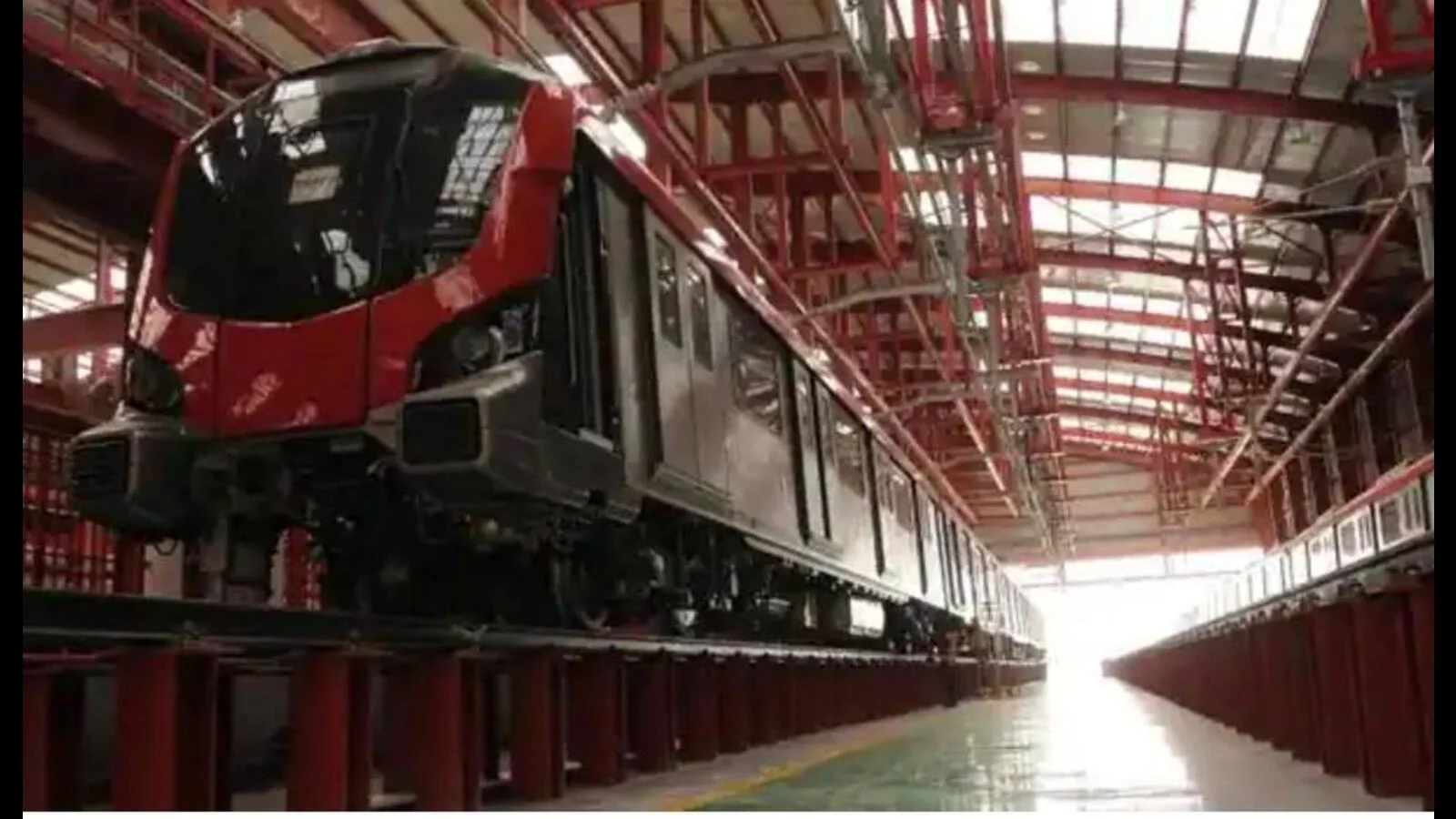
Unlike the first phase of Lucknow Metro, where trains followed a Delhi-inspired model with larger configurations, the East–West corridor will begin with three-coach trains. This scalable system allows for future expansion to five coaches, based on actual ridership. Officials note that this approach reflects lessons learned from the city’s early Metro operations and is better suited to local travel patterns, ensuring efficiency and cost-effectiveness.
The corridor is not only about reducing travel time but also about reimagining Lucknow’s transport ecosystem. With daily road congestion rising, the Metro expansion is expected to draw more commuters away from private vehicles, reducing carbon emissions and aligning with national commitments to net-zero goals. Such investments in rapid transit also complement efforts to make Indian cities gender-neutral, inclusive, and equitable by providing safer, more reliable commuting options for all citizens.
The UPMRC’s forward-looking strategy indicates a shift in urban infrastructure planning where projects are not just judged by their engineering execution but also by their social and environmental impact. Experts believe that once operational, the East–West line will significantly ease the daily commute, enhance economic productivity, and support greener urban development across Lucknow.By integrating sustainability into transport planning, the East–West corridor reinforces the idea that smart cities must prioritise efficient, eco-friendly, and inclusive mobility. For Lucknow, this Metro expansion is more than a construction project it is a promise of a more connected, sustainable, and resilient future.