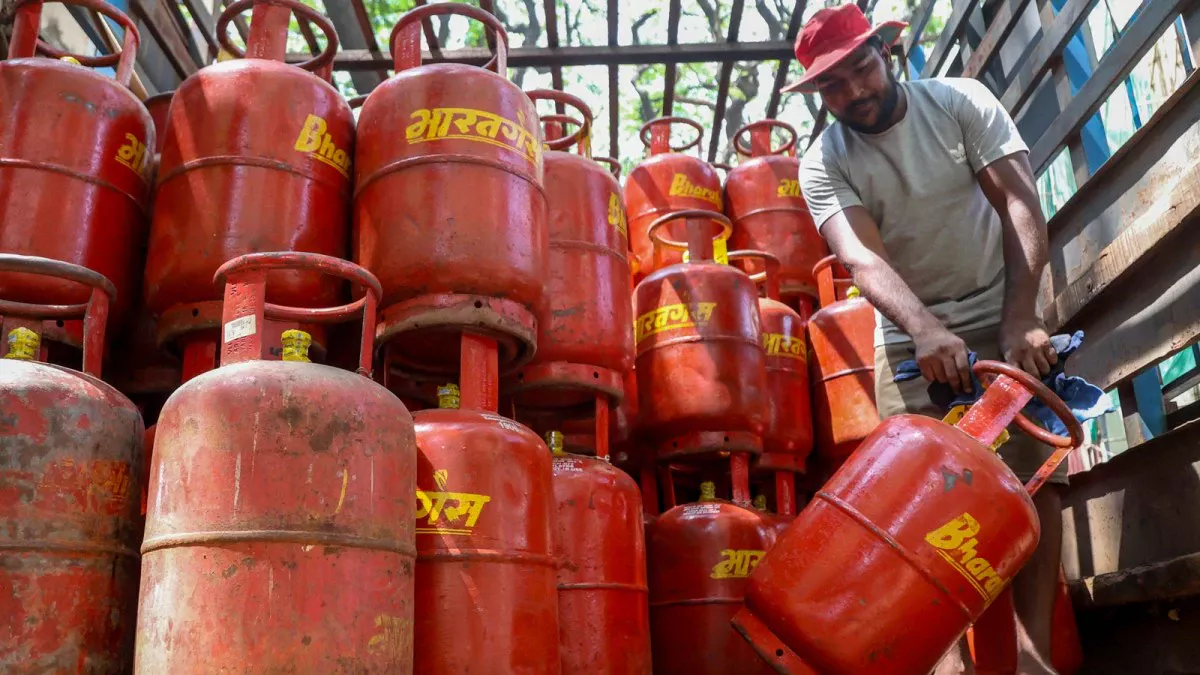
Nagpur LPG Shortage Disrupts Local Business Operations
A shortage of cooking gas supplies in Lucknow is beginning to disrupt daily food services across the city’s dense student neighbourhoods, highlighting how fragile urban service systems can affect everyday life in education hubs.
The Lucknow LPG shortage has particularly impacted paying guest accommodations, hostels and small tiffin providers that rely on commercial cylinders for large-scale cooking. In several localities known for student housing—including Indira Nagar, Gomti Nagar, Chinhat and Hasanganj—operators of mess kitchens and tiffin services say they are struggling to maintain regular meal schedules as cylinder deliveries slow down. The disruption is affecting thousands of students preparing for competitive examinations who depend on affordable, home-style meals provided by these services. With gas supplies uncertain, some hostel kitchens have been forced to reduce meal offerings or limit cooking to a single meal each day.
Others have temporarily shifted to traditional alternatives such as coal or clay stoves to keep kitchens functioning, although these methods are less efficient and increase operational costs. The Lucknow LPG shortage is also affecting informal food networks that sustain the city’s student economy. Small-scale tiffin operators—many of whom deliver meals to dozens of students daily—have begun scaling back services or suspending lunch deliveries because of difficulties in obtaining gas cylinders. Students have increasingly turned to packaged snacks, instant noodles or restaurant food, options that are often more expensive and nutritionally limited. Urban economists note that cities with large student populations depend heavily on micro food service ecosystems.
In Lucknow, thousands of students studying in coaching institutes and universities rely on local messes and PG kitchens rather than institutional cafeterias. Disruptions to fuel supply therefore quickly cascade through the urban service network, affecting not just businesses but also the daily routines of young migrants living away from home. The gas supply constraints appear to be part of a wider disruption affecting multiple Indian cities. Industry analysts link the current shortages to global energy supply pressures triggered by geopolitical tensions in West Asia, which have affected shipping routes and LPG imports to India. Since the country imports a significant portion of its LPG requirements, delays in shipments can quickly ripple through distribution networks. In response, many local food operators are improvising with temporary solutions.
Vendors selling coal stoves and traditional cooking furnaces report a surge in demand as small businesses and households search for alternative fuel options. For students, however, the challenge extends beyond cooking logistics. Reliable and affordable food services are an essential part of the urban infrastructure that sustains education hubs. Prolonged disruptions could force some students to return home or seek alternate accommodation arrangements if meal services remain uncertain. Urban planners often focus on housing, transport and utilities when evaluating city infrastructure, but the current Lucknow LPG shortage illustrates how essential services like cooking fuel also underpin everyday urban resilience.
As authorities work to stabilise LPG distribution, restoring consistent supply will be crucial not only for households and businesses but also for maintaining the functioning of the student ecosystems that cities like Lucknow depend on.