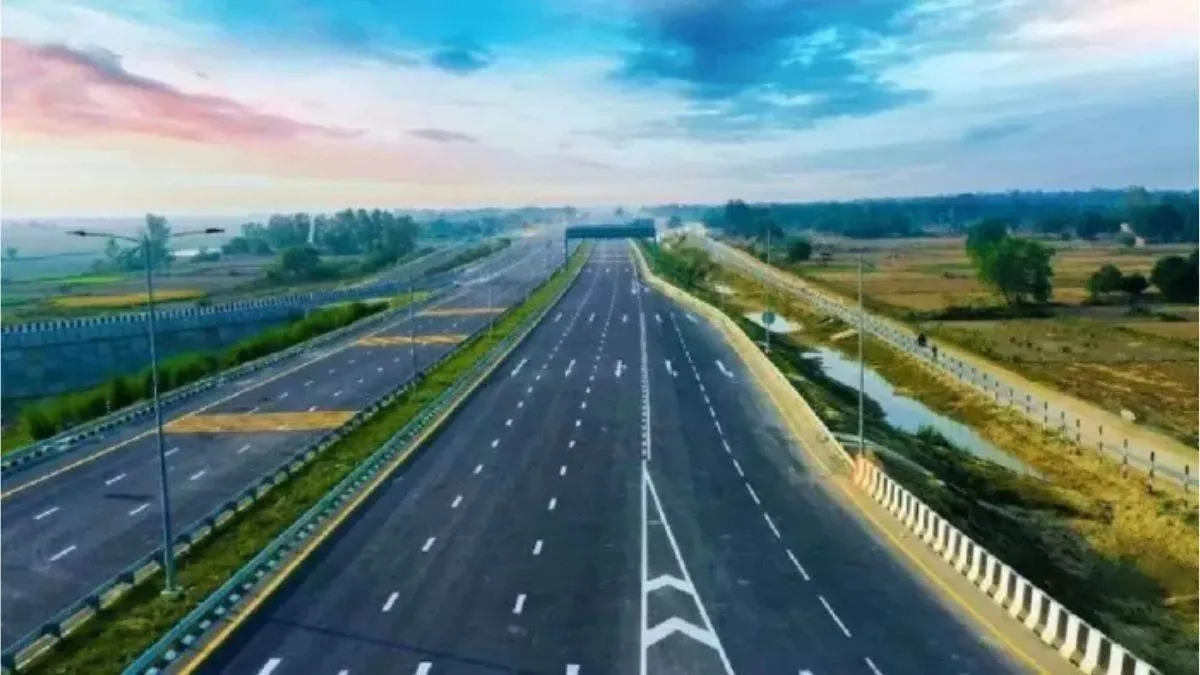
Travellers between Lucknow and Kanpur now have reason to breathe easier as the National Highways Authority of India (NHAI) has completed the reconstruction of a key stretch of National Highway 27, delivering a smoother, pothole-free ride. The long-awaited upgrade is expected to reduce travel delays, enhance safety for two-wheelers, and improve the efficiency of transport between the two major cities.
Officials confirmed that the revamped road surface has been significantly thickened to withstand high volumes of traffic and to provide resilience against seasonal wear and tear. The upgrade marks an important step in modernising one of Uttar Pradesh’s busiest road corridors, often plagued by heavy congestion and recurrent damage. Commuters have already reported shorter travel times and improved ride comfort, indicating that the investment is paying off in real-world outcomes.
The project carries a strong assurance of longevity. The construction company responsible for the parallel Lucknow-Kanpur Expressway has been tasked with maintaining the current highway for 15 years. This arrangement is designed to guarantee that commuters benefit not only from the reconstruction but also from regular upkeep, reducing the cycle of neglect and deterioration that has historically troubled national highways.
Yet, challenges remain unresolved. The connecting road between Banthra and Bani, which plays a critical role in linking the highway, is still in poor condition. NHAI officials have clarified that while temporary pothole patchwork has been carried out, comprehensive resurfacing will take place only after the expressway is completed and before its formal inauguration. Until then, commuters must brace for uneven rides along this stretch.
Concerns also persist at the Naderganj flyover. The absence of proper street lighting has raised serious safety issues, particularly during night-time traffic. A recent breakdown incident highlighted the dangers of navigating a dark flyover without functioning illumination, exposing both motorists and pedestrians to potential accidents. Furthermore, the noise barrier, intended to shield the nearby airport zone, remains incomplete, leaving sections of the airport premises exposed. Experts argue that such gaps not only compromise urban planning but also affect the broader sustainability and safety of infrastructure projects.
While the improved highway is being celebrated, transport planners caution that true progress in urban mobility cannot rest on surface reconstruction alone. Equitable access, safety provisions for vulnerable commuters, and climate-resilient infrastructure must underpin all future upgrades. The Lucknow-Kanpur corridor is a vital lifeline for trade, commerce, and daily mobility, and ensuring its sustainability will require long-term solutions that integrate lighting, safety barriers, and eco-friendly construction methods.
For now, the rebuilt highway is a welcome relief for thousands of daily commuters, providing a more reliable journey and setting the stage for future integration with the upcoming expressway. However, the onus remains on authorities and contractors to address the unfinished aspects and deliver a road system that is not only smooth but also safe, inclusive, and sustainable.