Lucknow Kanpur Corridor Set To Transform Daily Commute
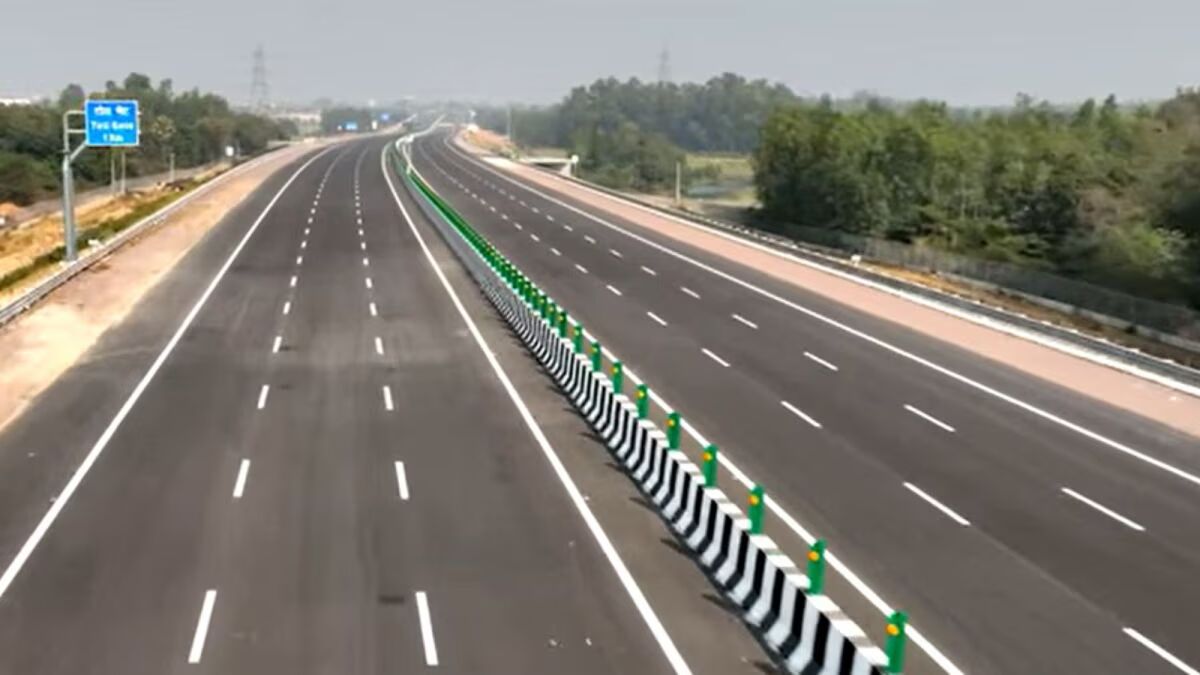
A high-speed corridor between Lucknow and Kanpur is set to significantly reshape regional mobility, with the upcoming expressway expected to cut travel time between the two cities to nearly 30–35 minutes. The Lucknow Kanpur expressway project is emerging as a critical infrastructure upgrade in Uttar Pradesh, aimed at easing congestion while strengthening economic and commuter linkages across one of the state’s busiest corridors.
Spanning roughly 63 kilometres, the access-controlled expressway is designed to bypass congested urban stretches and enable uninterrupted, high-speed travel. Once operational, the route is expected to reduce travel time from the current 1.5–3 hours to under 40 minutes, marking a substantial shift in intercity connectivity. The Lucknow Kanpur expressway project runs parallel to the existing National Highway 27, which has long been burdened by mixed traffic, frequent bottlenecks, and unpredictable travel times. By diverting long-distance and high-speed traffic onto a dedicated corridor, the new expressway is expected to ease pressure on legacy infrastructure while improving safety and travel efficiency. Urban development experts note that such expressways often extend beyond mobility improvements, acting as catalysts for regional economic integration. The corridor is expected to support smoother movement of goods and services, benefiting industries, logistics operators, and small businesses that rely on frequent travel between the two cities. Reduced travel time can also expand labour markets, enabling easier daily commuting across urban boundaries.
From a planning perspective, the Lucknow Kanpur expressway project is likely to influence land use patterns along its alignment. Improved accessibility typically drives real estate activity in peripheral areas, encouraging the development of residential clusters, industrial parks, and commercial hubs. Early indicators suggest growing interest in locations along the corridor, particularly in districts such as Unnao, which sits between the two cities. The project also incorporates modern safety and operational features, including surveillance systems, emergency response infrastructure, and controlled entry and exit points. These elements are intended to enhance travel reliability while reducing accident risks, a common concern on high-traffic highways. Environmental considerations remain an important dimension. While expressways improve fuel efficiency by reducing idling and stop-start traffic, they also require careful planning to mitigate land use impacts and maintain ecological balance. Experts highlight the importance of integrating green buffers, drainage systems, and sustainable construction practices to ensure long-term resilience.
For commuters, the transformation is expected to be immediate and tangible. What was once a time-intensive journey could soon become a routine, predictable commute, enabling greater flexibility in work, education, and daily travel. For businesses, the corridor offers opportunities to optimise supply chains and expand operational reach. As Uttar Pradesh continues to invest in high-speed road infrastructure, projects like this reflect a broader shift towards integrated regional development. The long-term impact of the Lucknow Kanpur expressway project will depend on how effectively it is linked with other transport systems and managed alongside urban expansion. If executed and maintained efficiently, the corridor could redefine how neighbouring cities function—not as isolated centres, but as interconnected urban regions supporting shared economic growth and mobility.