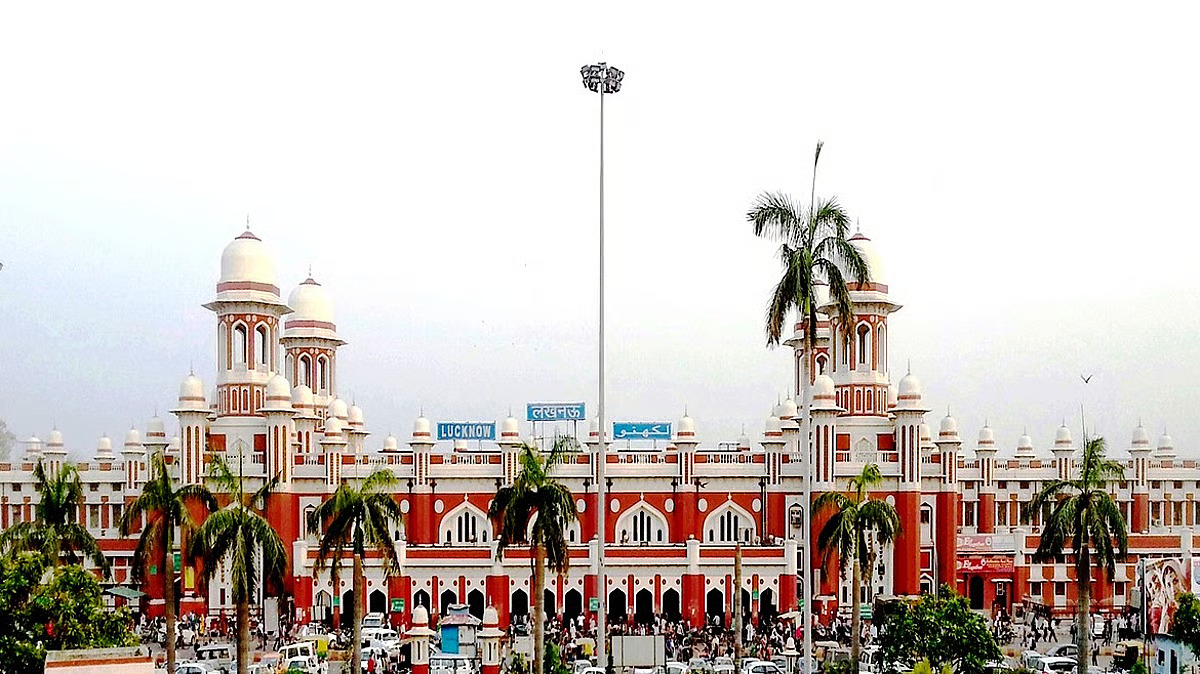
Lucknow Junction Railway Heritage Exhibition Marks Century
A large public display celebrating railway history has opened at Lucknow Junction as the station completes one hundred years of operation, offering residents and travellers a rare glimpse into the tools, technologies and engineering practices that shaped India’s railway network. The Lucknow Junction Railway Heritage Exhibition presents archival artefacts, operational equipment and a historic steam locomotive, drawing attention to the role rail infrastructure has played in shaping urban growth and mobility across northern India.
The exhibition forms part of a wider centenary programme commemorating the establishment of the station in 1926. Organised by the regional railway division, the event brings together displays from multiple railway departments, illustrating how track maintenance, signalling, electrical systems and passenger services evolved over decades of railway expansion. Among the most prominent features of the Lucknow Junction Railway Heritage Exhibition is a narrow-gauge steam locomotive that is more than a century old. Originally manufactured in England during the early twentieth century, the engine once served rural transport networks in eastern Uttar Pradesh before being retired several decades ago. Now installed within the station premises, the locomotive stands as a reminder of the mechanical innovation that supported freight and passenger movement long before the arrival of diesel and electric engines. Railway engineers involved in curating the exhibition say the objective is to highlight the craftsmanship and manual expertise that sustained railway operations during earlier periods. Displays include traditional track inspection trolleys, rail maintenance tools and mechanical devices used to align tracks and secure rail joints. These instruments reveal how labour-intensive railway maintenance once was before the introduction of automated monitoring technologies.
Another section of the exhibition focuses on historical signalling and communication systems that governed train movements in the pre-digital era. Mechanical lever frames, semaphore signals and token-based track control devices are displayed to demonstrate how railway staff ensured operational safety across large sections of track before the transition to modern electronic signalling. Passenger services from earlier decades are also documented through vintage ticketing equipment, printed cardboard travel passes, manual ticket punching machines and archival reservation charts. According to railway officials, these artefacts provide insight into how large-scale passenger transport was managed during periods when ticketing and station operations relied almost entirely on manual processes. The exhibition also incorporates visual documentation of the station’s transformation over the past century. Historic photographs and informational displays trace how Lucknow Junction evolved from a regional railway stop into an important interchange within northern India’s transport network. The displays highlight the close relationship between railway infrastructure and urban development, with stations historically acting as catalysts for markets, housing and commercial activity. City planners say such heritage initiatives can play a role in strengthening public awareness about infrastructure history while encouraging more sustainable mobility choices. As Indian cities attempt to reduce road congestion and carbon emissions, rail networks remain a critical component of low-emission mass transport.
The exhibition is expected to remain open to visitors for a limited period, offering residents, students and railway passengers an opportunity to explore the legacy of a station that has quietly supported Lucknow’s economic and urban evolution for a century.
Lucknow Junction Railway Heritage Exhibition Marks Century