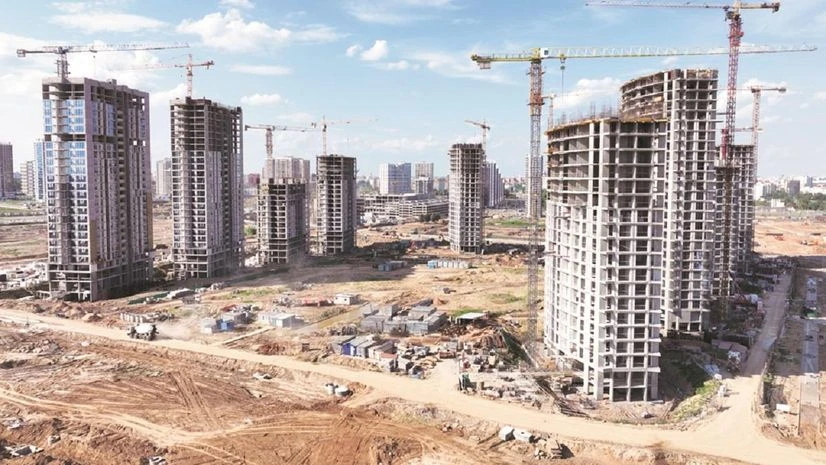
India’s tier-II cities are rapidly reshaping the country’s urban and economic landscape, evolving from satellite hubs into independent centres of growth. With government-backed infrastructure projects and rising private investments, cities such as Lucknow, Jaipur, Indore, Surat and Coimbatore are no longer secondary markets but hotspots for real estate, manufacturing, and sustainable urban living.
Unlike metros struggling with congestion and escalating costs, these mid-sized cities are attracting businesses, professionals and residents seeking affordability and quality of life. Industry experts highlight that initiatives like the Smart Cities Mission, Bharatmala highway corridors, airport expansions, and metro rail projects are turning these once overlooked towns into competitive destinations for investment and innovation. In Jaipur, expansion along Ajmer Road, Jagatpura and Sirsi Road reflects how connectivity is fuelling demand. The extension of metro corridors and the Northern Ring Road project are reshaping mobility patterns, while industrial growth in Sitapura and Vishwakarma zones is drawing new enterprises. Real estate activity here is increasingly tied to sustainable urban design, with a growing preference for mixed-use developments.
Lucknow is experiencing a surge across Gomti Nagar Extension, Sushant Golf City and Sultanpur Road, areas buoyed by expressways, IT corridors and eco-friendly township planning. Infrastructure upgrades such as the Kanpur-Lucknow Expressway, airport expansion and green corridors are not only spurring property values but also aligning the city’s growth trajectory with sustainable urban principles.Indore, repeatedly ranked among India’s cleanest cities, is leveraging its Super Corridor and metro network to attract IT and manufacturing firms. With Nipania and Bhawrasla emerging as key residential destinations, the city is positioned as a model for balanced growth combining industrial progress with eco-friendly living. Similar transformations are visible in Coimbatore, where industrial corridors and aerospace parks are drawing future-ready industries, and in Surat, where metro projects and the Tapi Riverfront redevelopment are redefining the urban fabric.
For investors, the appeal lies in affordability and long-term value. Rental demand is rising steadily across these cities, supported by universities, IT parks and new employment hubs. Property price trends indicate an upward trajectory, though at more accessible levels than tier-I metros. With rising middle-class aspirations and supportive policy frameworks, the opportunity for investors lies in early participation.Analysts stress that the next phase of India’s urbanisation will hinge on equitable and sustainable models. Ensuring green corridors, inclusive housing, water resilience and gender-neutral planning will be vital in preventing the replication of challenges faced by larger metros. While metros remain dominant, the momentum is clearly shifting towards tier-II centres where people see a chance to live, work and thrive in more sustainable, balanced environments.