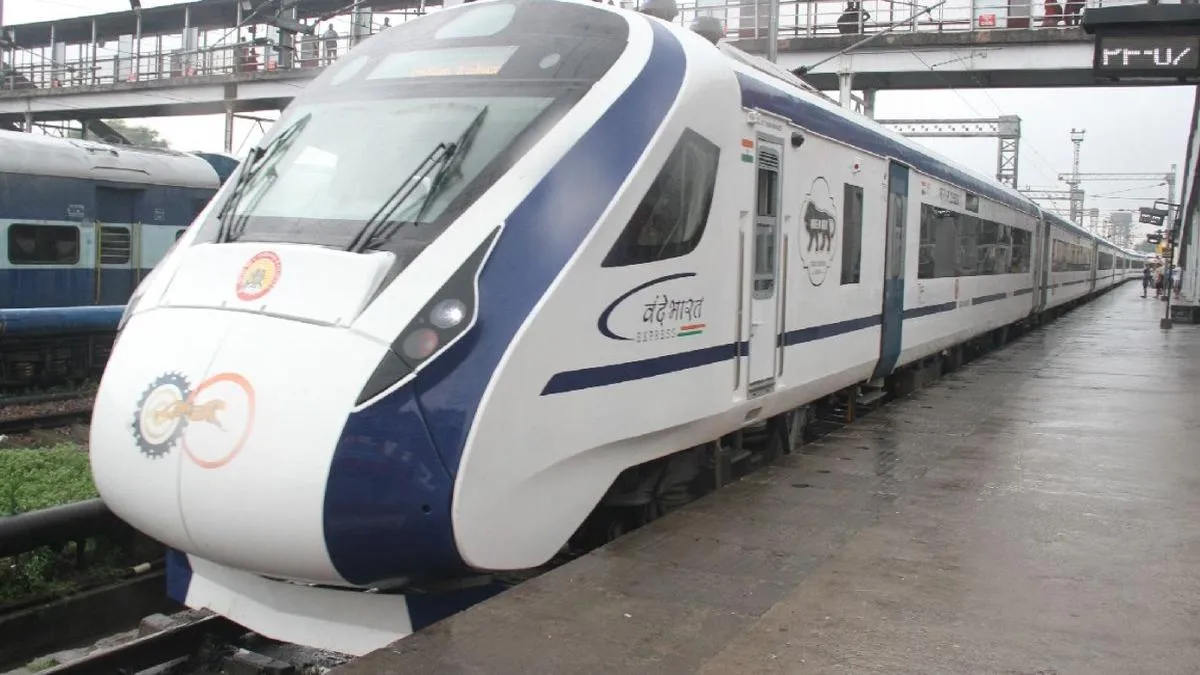
The semi-high-speed Vande Bharat Express connecting Lucknow, Gorakhpur, Ayodhya, and Prayagraj has reached full capacity for the first time this Diwali season, reflecting an unprecedented surge in travel demand ahead of the festival. Officials report that both regular and special train services are now operating at maximum occupancy, with confirmed tickets unavailable across all classes.
On October 17, the Lucknow-Gorakhpur Vande Bharat achieved ‘No Room’ status, effectively closing ticket bookings. Even waitlisted tickets are becoming scarce as commuters from Purvanchal, Bihar, and neighbouring states scramble to secure passage. This marks the first such instance this year, though similar full bookings were noted during Raksha Bandhan. Since June, the train has been operating with 16 coaches instead of eight, accommodating increasing passenger volumes.
The travel crunch is not limited to Vande Bharat services. Regular trains, including Gorakhdham, Vaishali, Kushinagar, Humsafar, and Bandra Express, are also fully booked until late October. AC and Sleeper classes alike are unavailable on services arriving in Gorakhpur from Delhi, Punjab, Maharashtra, and Gujarat. Festival special trains, announced to manage the seasonal surge, are already experiencing delays, adding to commuter challenges. For instance, the 05080 festival special departed from Anand Vihar 12 hours late, while the 02564 service reached Gorakhpur eight hours behind schedule, straining passenger plans.
Railway officials highlighted that the surge has prompted the operation of 150 festival special trains, making a total of 2,024 additional trips until the end of November. They have urged passengers to check schedules, routes, and seat availability via the official railway portals, IRCTC, and station notice boards.Experts note that the spike in bookings and delays underscores both the popularity of semi-high-speed rail in India and the infrastructure strain during peak travel periods. While Vande Bharat offers faster, more comfortable travel options, capacity management and timely operations remain critical to ensure passenger satisfaction and reduce overcrowding on connecting trains. Authorities have also encouraged staggered travel and early bookings to prevent last-minute congestion.
Urban transport analysts argue that the high seasonal demand highlights the need for eco-efficient mobility solutions and improved passenger service planning. Integrating digital ticketing, predictive crowd management, and expanded train capacity can help reduce carbon footprint while providing equitable access to travel during peak periods.As India heads into the Diwali and Chhath festival season, the full occupancy of the Lucknow-Gorakhpur Vande Bharat reflects both the growing confidence in high-speed rail and the logistical challenges that accompany festival travel across densely populated regions.