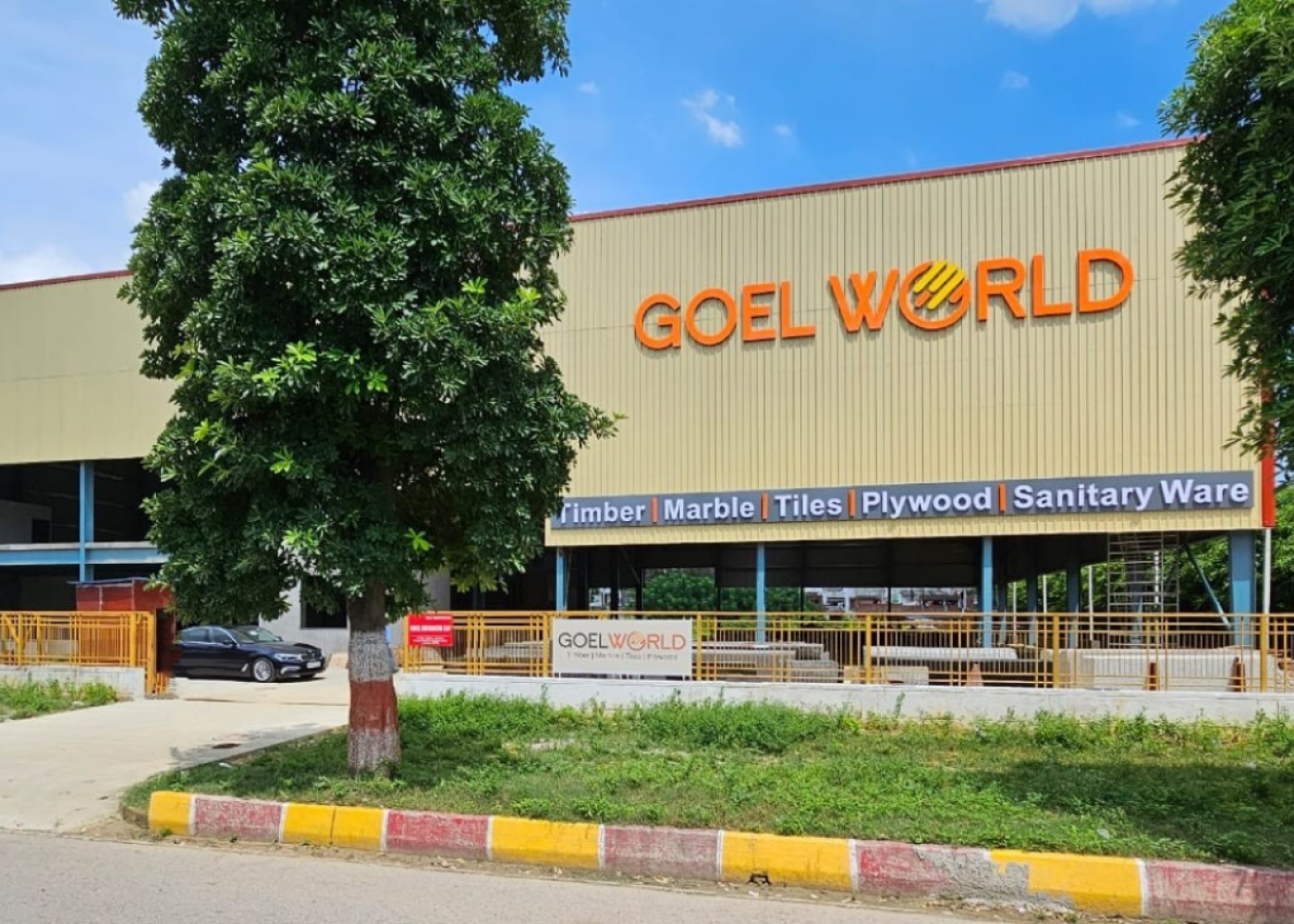
The home construction ecosystem in Lucknow is witnessing a shift towards integrated, one-stop solutions, with Goel World introducing a model that brings together building materials, interior products, and advisory services under a single platform. The approach aims to simplify the fragmented process of home building, which often involves multiple vendors, timelines, and cost uncertainties.
The integrated home building model positions Goel World as a central hub for sourcing materials ranging from plywood and timber to tiles, marble, sanitaryware, and hardware. By consolidating these offerings, the company seeks to reduce inefficiencies in procurement and improve coordination across different stages of construction and interior development. This Lucknow integrated home building model reflects a broader transformation in India’s housing and construction sector. As urban expansion accelerates in tier-2 cities, individual home builders and small developers are increasingly seeking streamlined solutions that minimise delays and enhance transparency. Traditionally, sourcing materials involves navigating multiple suppliers, inconsistent pricing, and logistical challenges—factors that can significantly impact project timelines and costs.By offering a consolidated ecosystem, Goel World is attempting to address these pain points. The model combines product availability with expert guidance, allowing homeowners, architects, and contractors to make more informed decisions within a single environment. Industry observers note that such formats can improve planning efficiency and reduce the risk of mismatched materials or delayed deliveries.
The company’s legacy in construction materials—spanning over three decades—adds to its positioning as a trusted supplier in the region. This continuity is particularly relevant in markets like Lucknow, where brand reliability and long-term relationships play a significant role in procurement decisions.From an urban development perspective, the emergence of integrated home-building platforms aligns with changing housing dynamics. As cities expand outward and demand for plotted developments rises, more homeowners are opting to build customised houses rather than purchasing ready units. This trend is driving demand for organised, end-to-end solutions that can bridge gaps between design, material sourcing, and execution.The Lucknow integrated home building model also has implications for sustainability and efficiency. Centralised sourcing can reduce material wastage, improve inventory planning, and enable better quality control. Additionally, access to curated brands and standardised products can support more durable construction, aligning with the growing emphasis on long-lasting and resource-efficient buildings.Experts suggest that such models could reshape how construction supply chains operate in emerging urban markets. By reducing fragmentation, integrated platforms can enhance transparency, improve cost predictability, and support faster project completion—key factors in making housing more accessible and reliable.
Looking ahead, the success of this approach will depend on how effectively it scales and integrates digital tools, logistics, and customer engagement. As tier-2 cities like Lucknow continue to urbanise, solutions that simplify the home-building journey are likely to play a crucial role in shaping the future of residential development.