Lucknow Gas Connections Expansion Signals Urban Energy Shift
A major expansion of piped natural gas (PNG) connections in Lucknow could accelerate the city’s transition away from cylinder-based cooking fuel, as the local city-gas distributor prepares to add 6,000 new domestic connections every month.
The move comes at a time when residents have reported difficulty obtaining LPG cylinders, making the Lucknow PNG expansion plan one of the most significant urban energy-infrastructure initiatives in the city this year. Officials associated with the project say field teams will begin visiting neighbourhoods where pipeline infrastructure is already in place to enrol new consumers, while residents will also be able to register directly at gas-distribution centres or through online channels. The company currently serves more than 1.5 lakh consumers across multiple cities, including around 82,000 in Lucknow alone, indicating that the city already has a substantial base for scaling up household gas connections. The timing of the Lucknow PNG expansion plan reflects a broader shift in urban energy systems across India. Data from the Petroleum and Natural Gas Regulatory Board shows that Uttar Pradesh has more than 16 lakh domestic PNG connections, but the number remains far smaller than the state’s LPG user base, highlighting the large potential for growth in cities such as Lucknow.
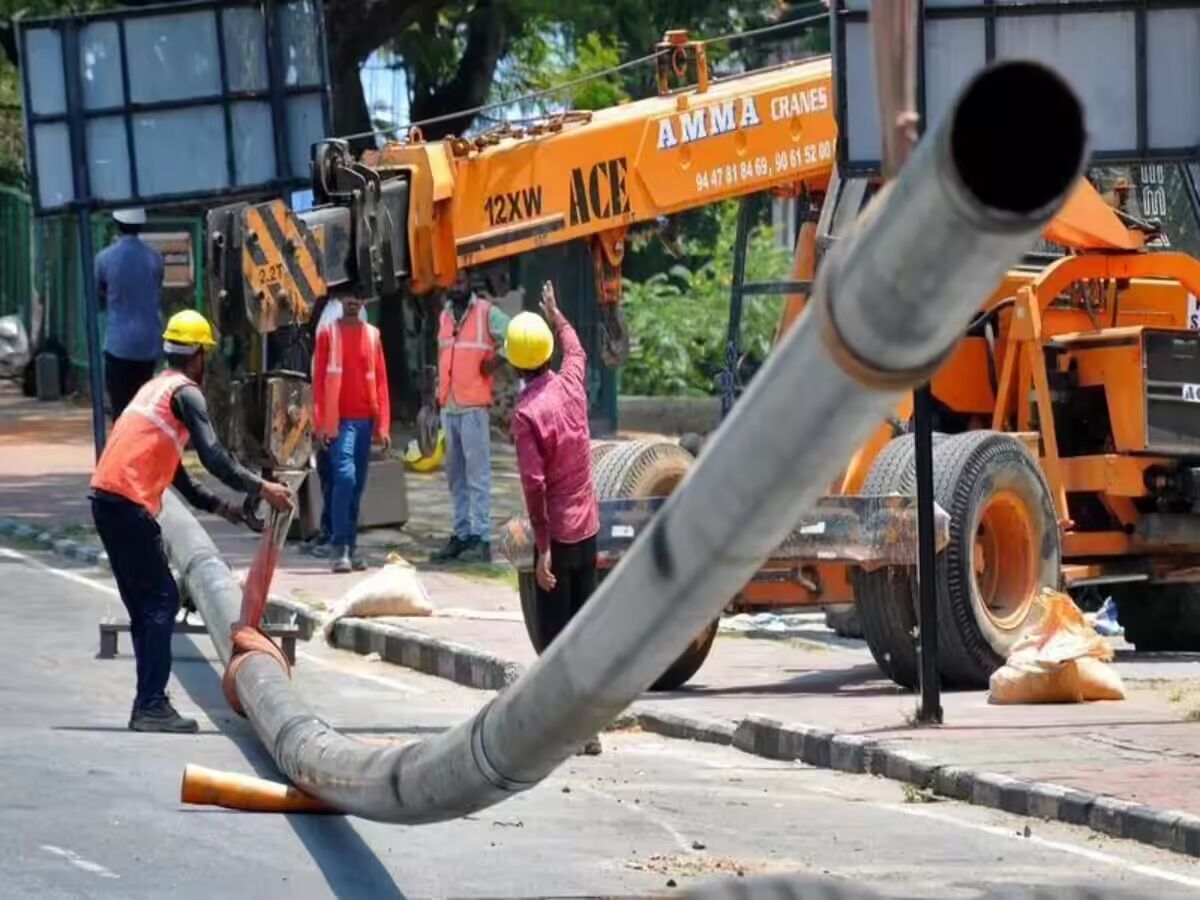
Urban-development experts say the move is not only about energy supply but also about city planning. Expanding PNG networks requires the installation of underground pipelines alongside road and housing infrastructure, which often leads to more integrated urban planning. In recent parliamentary responses, the central government has also emphasised the need to include gas-pipeline infrastructure in city master plans to support long-term urban development and reduce dependence on cylinder-based supply systems. The initiative also highlights the growing importance of clean-energy transition in fast-growing cities. Compared with LPG cylinders, PNG is considered more efficient for urban households because it offers continuous supply and eliminates the need for repeated deliveries. Urban planners say wider adoption could also reduce traffic associated with cylinder transportation and lower the environmental impact of urban energy distribution, particularly in dense residential areas.
However, the expansion also reflects a challenge that city-gas companies have faced in recent years: low adoption despite existing infrastructure. A recent report on gas adoption in Uttar Pradesh noted that many households remain hesitant to shift from LPG even in areas where pipelines are already available, often due to concerns about installation costs or unfamiliarity with the system. The new monthly target suggests the company is attempting to bridge that gap through more aggressive outreach. If the planned rollout continues at the proposed pace, thousands of additional households could switch to piped gas over the next year, which would significantly reduce dependence on cylinder-based supply in the city. More importantly, the Lucknow PNG expansion plan could reshape how essential urban services are delivered—moving from delivery-based systems to network-based infrastructure similar to electricity and water.
The success of the initiative will ultimately depend on how quickly the city can extend pipeline coverage to new neighbourhoods while ensuring affordability for residents. But the current expansion signals a clear shift: energy infrastructure is becoming as central to urban growth planning as roads, housing and public transport in India’s rapidly expanding cities.