Lucknow Electoral Roll Drop Raises Urban Governance Questions
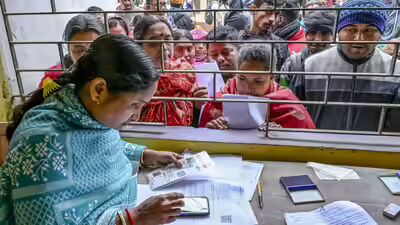
A significant reduction in registered voters in Lucknow following the latest electoral roll revision is drawing attention to deeper shifts in urban population patterns, governance systems, and data accuracy in India’s rapidly expanding cities. The updated rolls, prepared under the Special Intensive Revision (SIR) exercise, indicate a sharp contraction in the city’s electorate compared to earlier estimates. The decline is part of a broader statewide clean-up effort that has removed duplicate, deceased, and relocated voters from official records. In Uttar Pradesh, the total electorate dropped substantially after verification, reflecting the scale of data correction underway.
In Lucknow, the impact has been particularly pronounced. Earlier draft assessments suggested a steep fall in voter numbers, with the city recording one of the highest reductions among major urban centres. The reasons cited include migration, unreturned enumeration forms, duplicate entries, and outdated records—factors that are closely tied to the dynamics of fast-growing metropolitan regions. The evolving Lucknow voter list revision highlights a structural challenge in urban governance: keeping civic databases aligned with rapidly changing populations. Cities like Lucknow are witnessing continuous inflows and outflows of residents due to employment, education, and housing shifts. This fluidity often leads to mismatches between actual residents and official records, affecting not just electoral rolls but also urban service delivery. Urban planners note that accurate population data is foundational for infrastructure planning. Electoral rolls, while primarily designed for voting, often serve as a proxy indicator of population distribution. A sharp correction in such data can influence how authorities assess demand for housing, transport, water supply, and public services across different parts of the city.
The Lucknow voter list revision also underscores the growing importance of data integrity in governance systems. As cities move towards digital platforms and data-driven decision-making, the reliability of foundational datasets becomes critical. Errors or outdated entries can distort policy planning, resource allocation, and even emergency response strategies. However, the scale of deletions has also raised concerns about inclusion. Experts point out that while removing ineligible entries is necessary, ensuring that eligible residents are not excluded is equally important. The revision process allows for re-registration and corrections, but awareness and accessibility remain key challenges, particularly for migrant populations and informal settlements. From a broader urban perspective, the exercise reflects the increasing complexity of managing large, dynamic populations. Migration trends, informal housing, and administrative boundaries often complicate data collection and verification efforts. Strengthening last-mile verification systems and leveraging technology could help address these gaps over time.
Officials maintain that the revision aims to create a more accurate and transparent electoral database, which is essential for fair electoral processes. At the same time, the exercise offers an opportunity for city administrators to reassess how population data is captured and utilised across sectors. As Lucknow continues to expand, the focus will shift towards ensuring that data systems keep pace with urban realities. A more accurate voter base may improve governance outcomes, but only if it is complemented by inclusive mechanisms that ensure every eligible resident is accounted for in the city’s evolving urban framework.