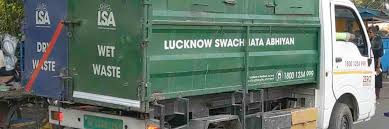
Lucknow Eco Fleet Rollout Strengthens Waste Systems
Lucknow’s waste management system is undergoing a transition towards cleaner operations with the deployment of 250 eco-friendly vehicles aimed at improving collection efficiency and reducing emissions. The initiative, led by the state government, is positioned as part of a broader effort to modernise urban services while aligning with sustainability goals.
The newly introduced fleet includes vehicles designed for door-to-door waste collection across residential and commercial areas. Officials indicate that the move is expected to streamline waste handling processes, improve coverage, and reduce reliance on older, more polluting transport systems that have traditionally been used in municipal operations. Urban experts view the Lucknow waste fleet expansion as a critical intervention in addressing two persistent challenges—inefficient collection networks and environmental impact. Conventional waste transport systems, often dependent on diesel-powered vehicles, contribute significantly to urban emissions. The shift to eco-friendly alternatives signals an attempt to decarbonise one of the most visible and high-frequency municipal services. The deployment is also expected to improve operational efficiency. With better-designed vehicles and optimised routes, authorities aim to ensure timely waste collection, reduce overflow at community bins, and minimise secondary handling. These improvements could help address long-standing issues related to sanitation and public health in dense urban neighbourhoods.
From a systems perspective, the initiative reflects a growing trend of integrating sustainability into everyday urban services. Waste management, traditionally viewed as a backend function, is increasingly being reimagined as a critical component of climate-responsive city planning. Cleaner fleets, when combined with segregation and processing infrastructure, can significantly reduce the environmental footprint of urban waste systems. However, experts caution that fleet modernisation alone may not deliver transformative outcomes without parallel improvements in waste segregation and treatment. Source segregation remains a key gap in many Indian cities, affecting the efficiency of recycling and processing systems. Without addressing this, even advanced collection systems risk feeding into overburdened landfills. The economic dimension is equally relevant. Investments in eco-friendly fleets can create opportunities for local manufacturing, maintenance services, and workforce upskilling. At the same time, operational costs and long-term maintenance requirements will need careful planning to ensure financial sustainability.
The initiative also aligns with broader state-level efforts to strengthen urban governance and improve service delivery standards. As cities like Lucknow expand, the demand for efficient, scalable, and environmentally responsible waste management systems is expected to grow. Looking ahead, the effectiveness of the Lucknow waste fleet expansion will depend on how well it integrates with other components of the waste value chain—segregation, transportation, processing, and disposal. If implemented cohesively, the shift could serve as a model for other cities seeking to balance service efficiency with environmental responsibility in their urban systems.