Lucknow is witnessing an early surge in summer-like temperatures this March, with daytime heat climbing above seasonal norms even as meteorologists forecast cloudy skies and gusty winds across parts of the region. The unusual weather pattern highlights shifting seasonal transitions in northern India.
Where rising pre-summer temperatures are beginning to reshape urban climate conditions earlier in the year. On Friday, the city recorded a maximum temperature of about 35.3°C, significantly higher than the typical March average, while the night temperature remained around 19°C, also above normal levels for the season. Weather observers say these conditions resemble those normally experienced in April rather than early spring. The Lucknow early summer weather pattern is being influenced by broader atmospheric activity across northern India. Meteorological officials indicate that cloud formation and stronger surface winds are expected during the day, creating partly overcast conditions despite the rising temperatures.
In addition, parts of eastern Uttar Pradesh and the Terai belt have been placed under a hailstorm alert due to the possibility of gusty winds and unstable weather systems. Urban climate analysts note that such fluctuations are increasingly common during the transitional period between winter and summer. A mix of warm air masses, limited winter rainfall and shifting wind patterns can cause temperatures to rise earlier than usual. Across many cities in Uttar Pradesh, daytime temperatures have already climbed several degrees above seasonal norms, reflecting the broader regional warming trend this month.
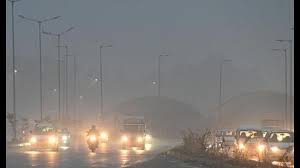
For Lucknow, the early heat carries implications beyond daily comfort. Rising temperatures influence electricity demand, water consumption and air quality in rapidly growing cities. As residents begin relying more heavily on cooling systems earlier in the year, energy demand patterns often shift, placing additional pressure on urban power infrastructure. Meteorologists also point to persistent haze conditions that have been observed across multiple cities in Uttar Pradesh in recent days. Reduced visibility and dusty air layers are typical during seasonal transitions when atmospheric circulation slows and pollutants accumulate closer to the ground.
Climatologically, March in Lucknow marks the beginning of a steady warming phase. Average daytime temperatures gradually climb through the month, moving toward the high heat levels typical of late spring and early summer. Although cloudy skies may temporarily soften direct sunlight, the underlying warming trend continues to intensify as the region approaches April. Urban planners increasingly view these early heat signals as indicators of long-term climate pressures affecting northern Indian cities. Warmer spring seasons can alter water demand cycles, intensify heat stress in densely populated neighbourhoods and influence urban planning priorities such as green spaces, reflective building materials and cooling infrastructure.
In the immediate term, however, residents of the state capital are likely to experience a mix of warm afternoons and overcast skies. Meteorological officials say the Lucknow early summer weather pattern may persist for several days, with occasional cloud cover and breezy conditions moderating the otherwise rising temperatures.