HomeLatestLucknow Connectivity Project Reshapes Regional Startup Landscape Lucknow Connectivity Project Reshapes Regional Startup Landscape
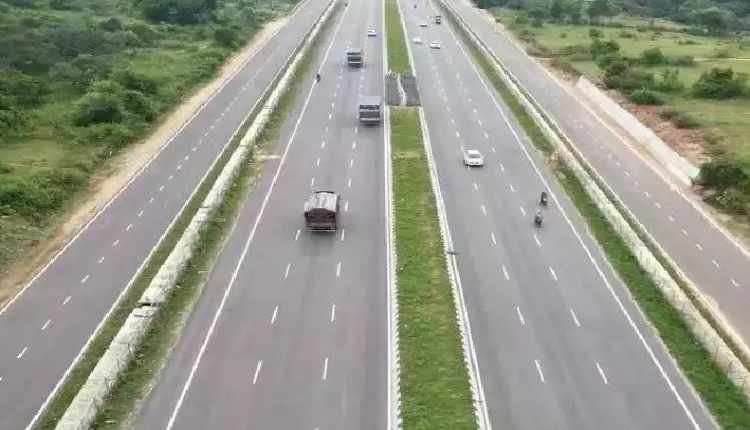
Lucknow’s ambitions to emerge as a northern India startup hub are gaining momentum as work progresses on the Kanpur–Lucknow Expressway, a major connectivity project expected to transform economic activity across central Uttar Pradesh and reshape how businesses operate between the two cities.
State officials say the high-speed corridor will sharply reduce travel time between Kanpur and Lucknow, improving daily business mobility and logistics efficiency. For startups and small enterprises, faster access to markets, suppliers, and talent pools could prove decisive in lowering operational friction and attracting early-stage investment. Urban economists note that such transport links often play a catalytic role in shaping regional innovation clusters. An official associated with the state’s infrastructure planning said the expressway is being positioned not just as a transport asset, but as an economic spine. Improved road connectivity is expected to strengthen supply chains, support time-sensitive manufacturing, and make the corridor more competitive for knowledge-based industries such as information technology and advanced services. Industry experts point to the potential for deeper collaboration between academic and research institutions located in Kanpur and Lucknow. Faster travel could enable more frequent exchange between engineering, management, and design institutes, creating stronger pathways for research commercialisation and startup incubation.
“When cities are effectively brought closer, ideas move faster,” an industry representative observed. Discussions are also underway to develop industrial and logistics clusters along the expressway alignment. Planners see scope for IT parks, light manufacturing zones, and warehousing hubs that could benefit from proximity to both cities while avoiding the congestion and land constraints of urban cores. Such decentralised development, experts argue, can reduce pressure on city infrastructure if paired with proper planning and public transport links. From an urban development perspective, the project raises questions around sustainable growth. Transport analysts caution that expressway-led expansion must be balanced with compact land use, energy-efficient buildings, and inclusive employment opportunities. Without this, rapid corridor development risks replicating car-dependent sprawl seen around other highways.
State planners say the corridor strategy is being aligned with long-term development goals that prioritise jobs, skill development, and balanced regional growth. For Lucknow, the expressway arrives at a time when the city is seeking to diversify beyond government services and traditional commerce. A strategic roadmap is reportedly being prepared to attract private capital, support startups, and generate higher-value employment. If executed carefully, the improved connectivity could help distribute economic growth more evenly across the region while easing migration pressure on larger metros. As construction advances, the success of the Kanpur–Lucknow Expressway will likely be judged not just by reduced travel time, but by whether it helps build a resilient, innovation led urban corridor that is accessible, inclusive, and future-ready.
Lucknow Connectivity Project Reshapes Regional Startup Landscape