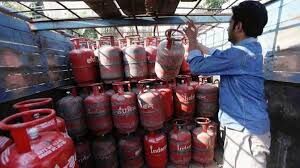
Lucknow Commercial LPG Supply Restoration Raises Business Concerns
A partial restoration of commercial LPG supply in Lucknow has brought limited relief to small businesses, but the disruption is increasingly being seen as a warning sign about the fragility of urban energy systems in fast-growing cities. Restaurants, small food outlets and commercial kitchens across the city had been facing severe shortages since mid-March, forcing many to reduce operations or temporarily shut down.
According to recent updates, oil companies have resumed deliveries, but only at a fraction of normal levels. Many establishments that previously depended on multiple cylinders each month are now receiving only a small share of their regular quota. Business operators say the situation remains unpredictable, making it difficult to plan production, staff shifts and daily operations. The crisis is not limited to Lucknow. Cities across India have reported similar disruptions in commercial LPG supply after global energy tensions affected fuel shipments. The shortage has particularly affected restaurants, small manufacturers and catering services that rely on commercial cylinders rather than piped gas networks. Analysts say the situation highlights the risks of depending heavily on a single energy source in rapidly urbanising regions. Officials have been attempting to stabilise the supply chain through additional allocations and monitoring of distributors. Government data indicates that thousands of inspections and enforcement actions have been carried out across Uttar Pradesh in recent weeks to prevent hoarding and black-marketing of LPG cylinders.
Authorities have also set up monitoring systems to ensure that supplies reach essential sectors and small businesses. The shortage is also accelerating a broader shift in how cities manage cooking and commercial energy. Policy discussions at the national level increasingly favour piped natural gas (PNG) in dense urban areas because it is less dependent on imports and easier to distribute consistently. Experts say the current disruption may push more commercial establishments in cities like Lucknow to consider alternative energy systems, including electric cooking equipment and piped gas connections where available. For urban planners, the episode underscores an important lesson: energy security is now a critical part of city infrastructure, not just a supply-chain issue. As cities expand, the number of small food businesses, community kitchens and service establishments is growing rapidly. Any disruption in fuel supply can therefore have immediate economic and social consequences, particularly for workers in the informal sector.
While the partial restoration of supply offers short-term relief, the larger challenge remains unresolved. Without more reliable urban gas infrastructure and diversified energy systems, cities like Lucknow could continue to face similar disruptions in the future. Strengthening urban energy resilience is likely to become as important as building roads, housing and transport systems in the next phase of urban development.