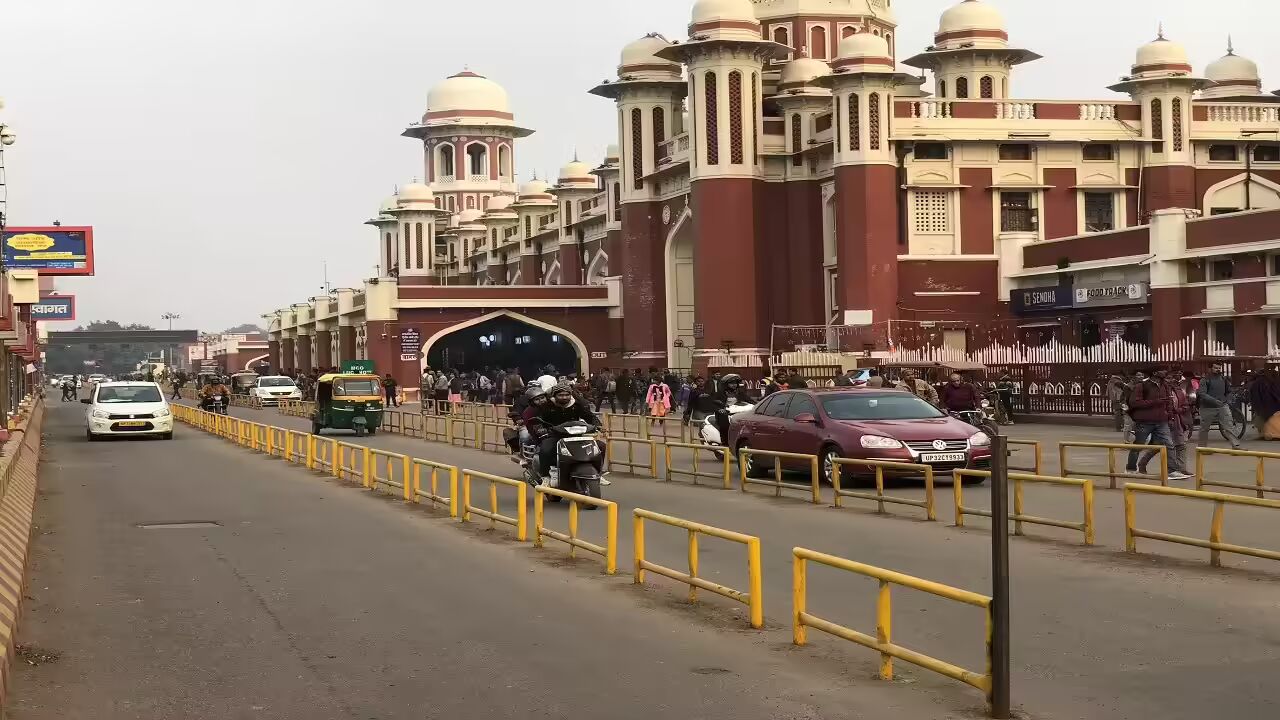
Lucknow Charbagh Parking Upgrade Improves Station Access
A new premium parking facility at Charbagh Railway Station is reshaping how commuters access one of North India’s busiest transit hubs, with authorities introducing paid, proximity-based parking to improve traffic flow and user convenience. The move reflects a broader shift towards managed mobility infrastructure in rapidly growing urban centres like Lucknow.
The premium parking system allows private vehicles to park closer to station entry points for a fee, offering a more organised alternative to the informal and often chaotic parking patterns that have long characterised the area. The facility is designed to reduce congestion near the station frontage, where high passenger volumes frequently lead to bottlenecks. Historically, Charbagh has faced persistent parking challenges, including unregulated entry points, overlapping contractor systems, and inconsistent fee structures. Reports have highlighted issues such as multiple charges and lack of streamlined management, underscoring the need for a more structured approach to parking operations. The introduction of premium parking aligns with earlier efforts to modernise station infrastructure through integrated parking systems. These include differentiated pricing models, where users pay more for convenience—such as parking closer to platforms—while standard parking remains available at lower rates further away.
Urban mobility experts view this as part of a wider transition in Indian cities towards demand-based parking management. By pricing high-access locations at a premium, authorities can regulate vehicle flow, discourage long-duration parking in critical zones, and optimise land use in high-density transport hubs. The implications extend beyond convenience. Efficient parking systems are increasingly seen as essential to improving last-mile connectivity and reducing urban congestion. In transit-heavy zones like Charbagh, unmanaged parking often spills onto surrounding roads, slowing traffic and affecting public transport reliability. From an economic standpoint, such facilities also create revenue streams for urban authorities, which can be reinvested into infrastructure upgrades. However, experts caution that pricing must remain balanced to avoid pushing users towards illegal or roadside parking, which can negate the intended benefits. The initiative also reflects a growing emphasis on user-centric design in public infrastructure. By offering tiered parking options—ranging from basic to premium—cities can cater to diverse commuter needs while maintaining operational efficiency.
Yet, the success of the system will depend on consistent enforcement and maintenance. Previous assessments of parking facilities in Lucknow have pointed to issues such as poor lighting, inadequate surveillance, and encroachments, which can undermine user confidence if not addressed. As Lucknow continues to expand its urban footprint, integrating structured parking solutions into transport planning will be critical. The Charbagh premium parking model offers a glimpse into how cities can transition from informal systems to managed, revenue-generating infrastructure—balancing convenience, efficiency, and urban order.