Lucknow, Uttar Pradesh budget, state legislature, fiscal planning, infrastructure investment, urban development, sustainable cities, public services, capital expenditure, socioeconomic growth, climate resilience
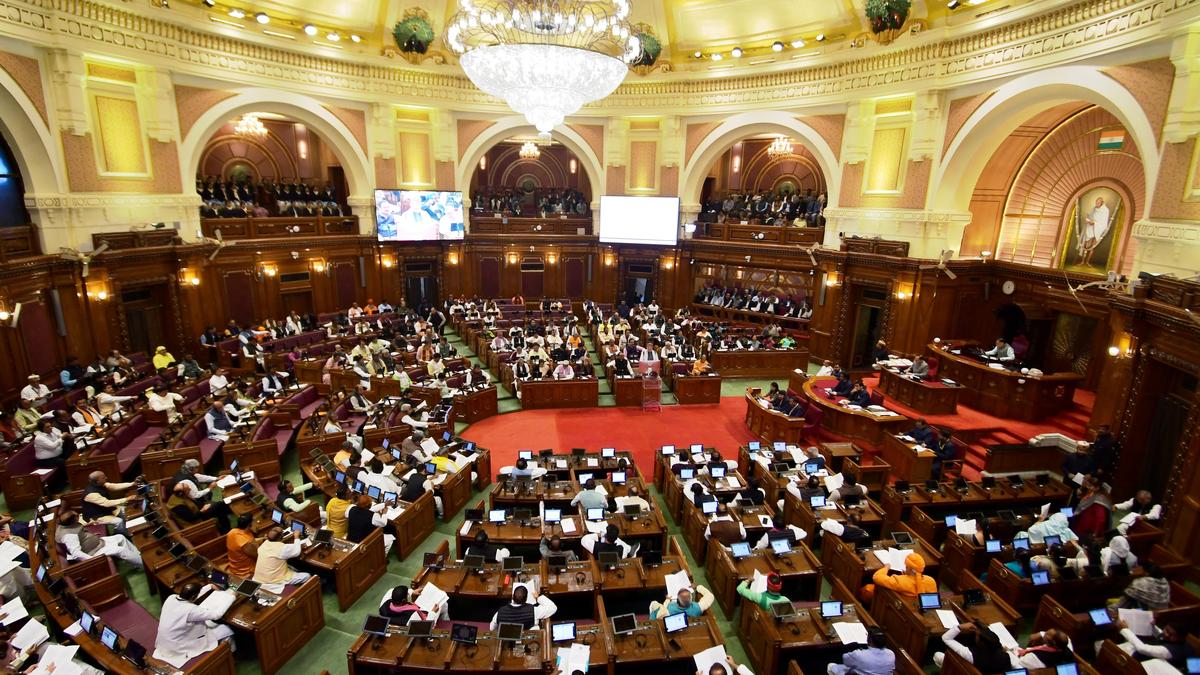
Lucknow — Uttar Pradesh’s legislature has formally adopted a record-high state budget of approximately ₹9.13 lakh crore for the 2026-27 financial year, closing its winter session and setting the fiscal direction for India’s most populous state amid competing demands for growth, services, and urban development.
The approval, which concluded the 10-day budget session on Friday with both houses adjourned sine die, marks a key milestone in the state’s planning calendar ahead of the next assembly elections and reflects evolving priorities across infrastructure, social services and economic transformation. The budget was tabled earlier this month by the state’s finance minister and reflects a roughly 12 – 13 per cent increase in outlays compared with the current year, underlining a sustained focus on capital expenditure, urban infrastructure and inclusive service delivery. A senior official in the finance department noted that this appropriation aims to balance immediate development needs with fiscal responsibility, including a targeted fiscal deficit cap aligned with national budgetary norms.
Urban affairs planners say the scale of the budget underscores the state’s ambition to expand public services across both dense urban centres such as Lucknow and Kanpur as well as emerging economic hubs in eastern and central districts. “When a budget of this magnitude passes through the legislature, the real test shifts to implementation — particularly in areas like transport, water, housing and climate-adaptive infrastructure,” said a public policy expert in urban development. “Cities need predictable financing, and how these funds are deployed will determine economic opportunities and quality of life for residents.” A significant portion of the budget is earmarked for traditional service sectors — education, health and social welfare — as well as targeted investments in rural development and agriculture that also influence urban-rural connectivity due to migration flows and labour markets. For example, state-level allocations include expanded skill development programmes and enhanced compensations for community educators, a move that will indirectly support urban services and human capital formation.
Energy and environmental sustainability have also entered the budget conversation. Independent assessments note that Uttar Pradesh’s 2026-27 budget includes increased support for clean energy programmes and infrastructure projects aimed at reducing emissions and bolstering resilience to climate risks, such as heatwaves and flooding. These measures are likely to intersect with urban priorities as cities look to strengthen grid capacity and integrate renewables with municipal services. However, the budget’s broad scale also highlights governance and execution challenges. A recent audit by the Comptroller and Auditor General flagged delays and irregularities in industrial development project delivery, raising questions about oversight and the pace of infrastructure rollout. Such findings stress the need for enhanced institutional capacity to manage large-scale public works, especially within ambitious urban expansion plans.
Political analysts say the budget session’s adjournment signals a legislative consensus on core fiscal priorities but also opens a new phase of scrutiny as stakeholders monitor how appropriated funds translate into tangible outcomes. For urban residents, sectors such as transport, waste management and public amenities remain key areas to watch, with the budget setting the financial baseline for strategic interventions intended to enhance economic opportunity and sustainable city growth across the state.