HomeLatestLucknow Breathes Poor Air Again This December Lucknow Breathes Poor Air Again This December
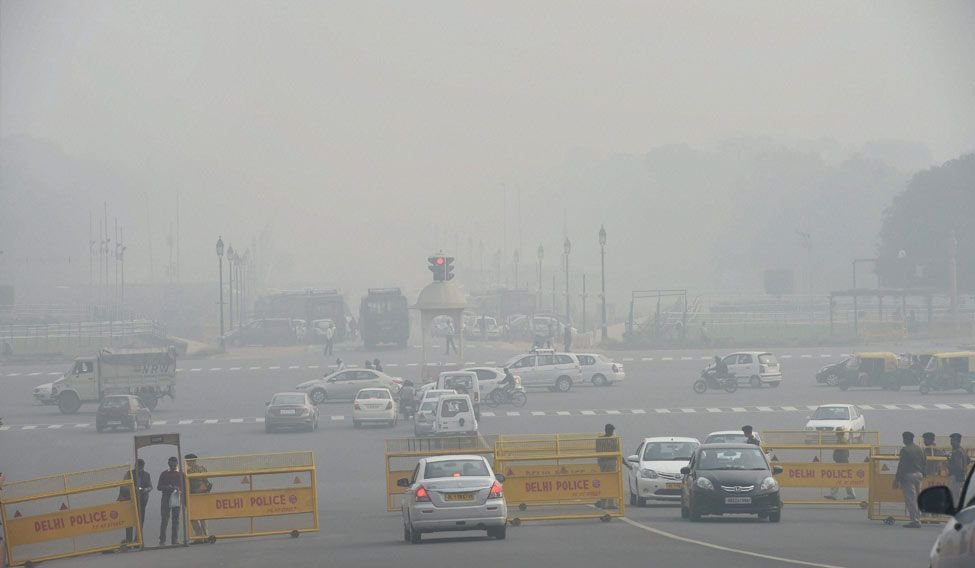
Lucknow recorded a sharp decline in ambient air quality on Sunday, slipping into the ‘poor’ category and signalling the early onset of winter-linked pollution stress in the Uttar Pradesh capital. The city registered an Air Quality Index (AQI) level of 208, according to official monitoring, ending a brief spell of cleaner air and underscoring the persistent challenge of seasonal particulate build-up in northern Indian cities.
Over the past two weeks, Lucknow enjoyed relatively moderate air quality due to favourable wind movement and clearer skies. However, environmental authorities note that the combination of lower temperatures and weakening winds over the weekend created stagnant atmospheric conditions that trap pollutants near the ground. A technical expert familiar with the monitoring process said the declining wind speed was a “decisive trigger”, allowing particulate matter to accumulate more rapidly across the urban area. Data from live monitoring stations across the city revealed that the deterioration was widespread. The Talkatora industrial cluster emerged as the most polluted location, with AQI levels approaching 270 and indicating a high concentration of fine particulate matter (PM2.5). Educational and residential neighbourhoods were affected as well, with Kendriya Vidyalaya monitoring station recording 232 and the Gomti Nagar sensor measuring 221. Comparatively less affected zones such as Lalbagh remained in the ‘moderate’ category but displayed a rising trend that authorities are watching closely.
Officials from the state pollution control board observed that the current pattern aligns with typical December behaviour in northern plains. When the wind speed drops below 5 km/h, pollutants from traffic emissions, dust resuspension, industrial activity and household fuels linger in the lower atmosphere. The impact is compounded in areas with dense construction and vehicular congestion. “The figures are likely to fluctuate over the next week unless strong winds or rainfall disperse the pollutants,” a board representative said. Public health advisories have been issued, recommending that residents — particularly children, senior citizens and those with asthma or other respiratory conditions — avoid outdoor exercise and early-morning exposure. Local physicians report an uptick in complaints of breathlessness, eye irritation and throat discomfort during similar pollution phases each winter.
The latest AQI shift also raises broader questions about urban resilience and environmental equity. Like many expanding Indian cities, Lucknow is witnessing rapid development, rising vehicle ownership and construction activity. Without parallel investment in cleaner mobility, dust control, decentralised waste management and green buffers, experts warn that winter pollution will continue to compromise public health and liveability. Urban planners argue that a long-term shift towards sustainable mobility, mixed land use, energy-efficient buildings and stricter industrial compliance will play an essential role in ensuring that development does not come at the cost of cleaner air and healthier neighbourhoods. While the current pollution cycle may ease with weather fluctuations, the wider goal remains a city where economic growth is compatible with breathable air for all residents.
Lucknow Breathes Poor Air Again This December