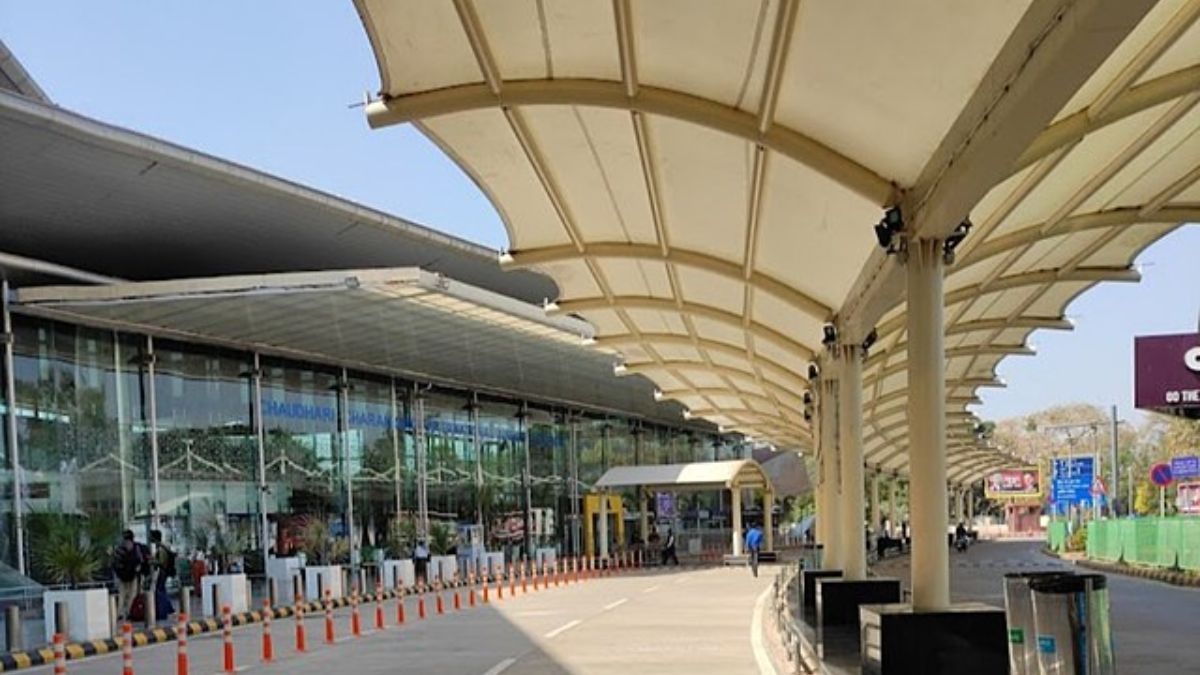
Lucknow Airports Massive Upgrade to Cost Rs 10,000 Crore
Lucknow’s Chaudhary Charan Singh International Airport (CCSIA) is poised for a significant transformation, with a private airport operator announcing an ambitious, multi-phase investment of Rs 10,000 crore. This substantial capital injection is aimed at not only boosting passenger and cargo capacity but also at strategically positioning the airport as a major aviation hub for Uttar Pradesh. The expansion is a crucial step towards fostering a more sustainable, eco-friendly, and equitable urban landscape by improving air connectivity and supporting economic growth. By enhancing the airport’s infrastructure, the project will cater to the region’s rising travel and trade demands while integrating modern, efficient systems that can contribute to a greener future. The investment underscores a forward-looking approach to urban development, focusing on long-term resilience and connectivity.
The first phase of the expansion, which has already seen a significant investment of Rs 2,401 crore, includes the construction of a new terminal and improved road infrastructure. The next phase, with an additional investment, is expected to increase the airport’s passenger handling capacity from 8 million to 14 million annually by 2026-27. This capacity boost is critical for managing the growing influx of travellers and will lead to a more efficient and comfortable experience for commuters. The project’s plans to introduce “swing operations” — a flexible model for using common facilities for both domestic and international flights — is an innovative and resource-efficient approach to managing peak demand without the need for additional infrastructure, thereby reducing the airport’s physical and carbon footprint.
The airport’s strategic importance to the regional economy cannot be overstated. With Lucknow contributing approximately 4% of Uttar Pradesh’s GDP, the airport serves as a vital artery for business and commerce. The expansion plans include a strong focus on cargo operations, with a goal to increase capacity to 50,000 metric tonnes within the next five years. This will significantly support local industries, facilitating faster and more efficient movement of goods and products. New international routes to destinations like Vietnam and Singapore are also on the cards, which will not only boost tourism but also open up new trade corridors, creating a more interconnected and resilient regional economy.
While the economic benefits are clear, the project’s long-term success will hinge on its alignment with a sustainable agenda. The use of modern technology and resource-efficient designs in the new terminal is a positive step. However, it will be crucial to ensure the entire operation—from ground transport links to waste management and energy consumption—is managed with a strong environmental focus. The expansion presents a unique opportunity to embed zero-net-carbon principles from the design stage itself, using renewable energy sources and smart building systems to minimise the airport’s ecological impact. By committing to these principles, the airport can become a model for future aviation infrastructure in India.
The project is more than just a commercial venture; it is a public utility that will shape the urban fabric of Lucknow. By improving connectivity and fostering economic growth, the airport expansion holds the potential to create a more prosperous and equitable future for the region. The focus on efficiency, technology, and strategic growth sets a strong precedent for how large-scale infrastructure projects can be a force for positive, sustainable change.