HomeLatestLucknow Air Quality Stays Poor Fourth Day Lucknow Air Quality Stays Poor Fourth Day
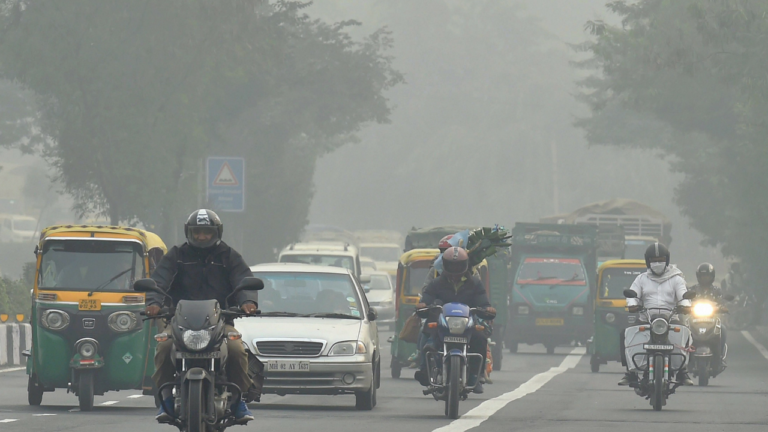
Lucknow continued to grapple with unhealthy air on Sunday as pollution levels remained in the ‘poor’ category for the fourth straight day, underscoring persistent gaps in urban air quality management and the growing health costs of rapid city expansion.
Official monitoring data from national pollution authorities showed the city’s average Air Quality Index at just over 210, an improvement from the previous day but still far above recommended limits. Fine particulate matter, especially PM2.5 and PM10, remained the dominant pollutants, a pattern urban health experts say is increasingly common during winter months when low wind speeds and cooler temperatures trap emissions close to the ground. Pollution levels varied sharply across the city, reflecting uneven land use and traffic intensity. Talkatora emerged as the most affected locality, with readings crossing into the ‘very poor’ range. Officials noted that pollution in this industrial and transport-heavy area tends to peak during late night and early morning hours, when vehicle emissions combine with reduced atmospheric dispersion. Other central zones such as Lalbagh and Aliganj also recorded sustained ‘poor’ air quality, pointing to the cumulative impact of traffic congestion and dense development.
In contrast, neighbourhoods with greater green cover and lower traffic volumes showed relatively better readings, though still above healthy thresholds. Areas near urban forests and recreational zones recorded AQI values closer to the ‘moderate’ category, highlighting the role of open spaces in mitigating pollution. Urban planners say this disparity reinforces the need to integrate green buffers into future development plans rather than treating them as optional amenities. Public health specialists warn that prolonged exposure to poor air quality can have lasting consequences. “Short-term exposure causes irritation and breathing discomfort, but repeated episodes increase the risk of chronic respiratory and cardiovascular conditions,” a public health expert said. Vulnerable groups such as children, older adults, and people with existing illnesses face higher risks, often without adequate access to preventive care.
From an economic perspective, deteriorating air quality also affects productivity and livability. Businesses report higher absenteeism during pollution spikes, while the city’s appeal to skilled professionals and investors can suffer over time. Real estate analysts note that air quality is increasingly influencing residential preferences, with demand growing for greener, better-planned neighbourhoods. Municipal officials say steps such as dust control at construction sites, traffic management, and improved waste handling are being monitored, though experts argue these measures must be part of a wider strategy. Cleaner public transport, stricter emission enforcement, and climate-sensitive urban design are seen as critical to achieving sustained improvement. As Lucknow continues to expand, the recurring air quality episodes serve as a reminder that infrastructure growth must be matched by environmental safeguards. Long-term solutions, planners say, lie in building compact, low-emission neighbourhoods that prioritise public health alongside economic development.
Lucknow Air Quality Stays Poor Fourth Day