

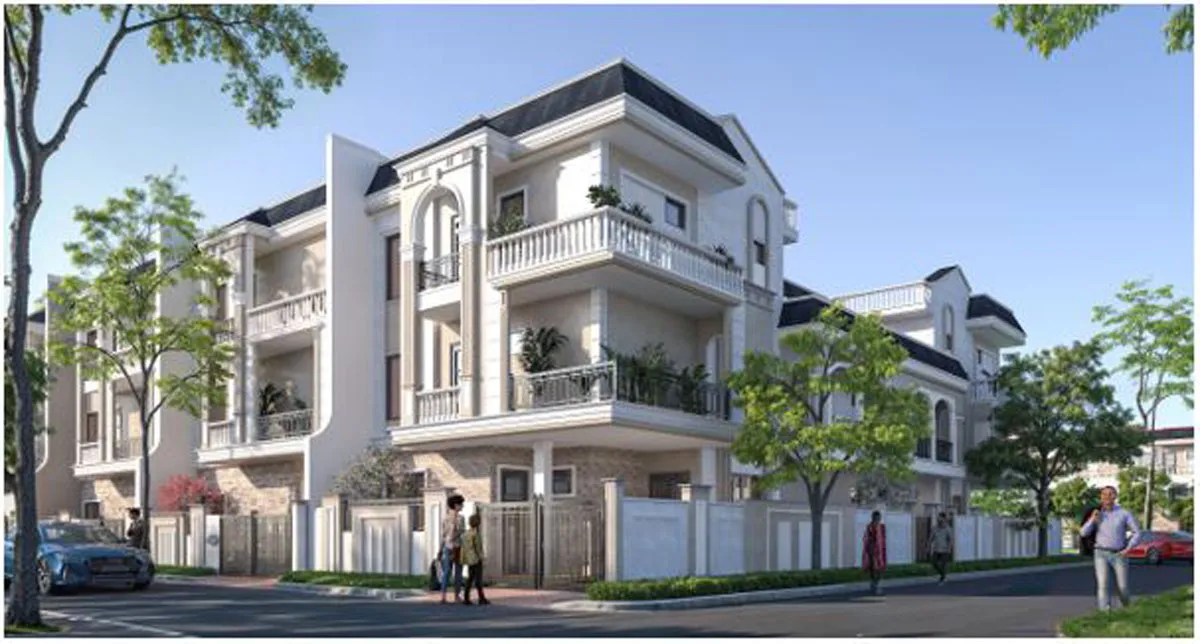
Lucknow has taken a decisive step into technology-led urban housing with the launch of its first AI-powered luxury villa community, marking a broader shift in how Tier-2 cities are redefining residential development. Spread across a low-density site and approved by statutory planning authorities, the project reflects changing buyer expectations where comfort, efficiency and reliability are becoming as important as scale or location.
Urban planners tracking residential patterns in emerging cities note that Lucknow’s housing market has matured rapidly over the past decade. Improved infrastructure, rising professional incomes and stronger regulatory oversight have increased demand for organised, future-ready housing. The arrival of AI powered villas in Lucknow signals that innovation-led housing is no longer limited to metros but is increasingly shaping aspirational living in regional capitals. The development comprises a limited number of independent villas designed around automation and adaptive systems. Homes are equipped with integrated platforms that manage lighting, temperature, security and energy usage, allowing residents to monitor and adjust daily functions digitally. According to industry experts, such systems are not merely convenience features but part of a wider push towards efficient resource use and predictable operating costs in residential environments. Urban sustainability specialists point out that smart home technologies, when deployed at a community scale, can reduce power wastage and support better energy planning. In cities like Lucknow, where rapid expansion places pressure on utilities, AI-enabled housing models offer a way to align residential growth with climate resilience and infrastructure efficiency. The inclusion of electric vehicle charging and landscaped open spaces further reflects an attempt to balance lifestyle aspirations with environmental considerations.
Beyond technology, the project’s planning emphasises controlled density and shared amenities that support everyday wellbeing. Fitness areas, pedestrian pathways, community spaces and green buffers are designed to reduce dependence on external facilities while encouraging social interaction. For families, this approach responds to a growing preference for self-contained neighbourhoods that offer safety, privacy and predictable service quality. Real estate analysts observe that demand for premium housing in Tier-2 cities is increasingly driven by local professionals and return migrants seeking long-term stability rather than speculative gains. For this segment, reliability of delivery, legal clarity and functional design often outweigh overt luxury. Developments offering AI powered villas in Lucknow are tapping into this mindset by positioning technology as a tool for peace of mind rather than novelty.
As Indian cities continue to decentralise growth beyond traditional metros, such projects offer insight into how urban housing is evolving. The success of AI-enabled residential communities will ultimately depend on how effectively technology integrates with governance, maintenance and community management. For Lucknow, this experiment may set the template for how future neighbourhoods balance innovation, sustainability and liveability in India’s next wave of urban expansion.
Also Read: India Real Estate Buyers Value Peace Of Mind