


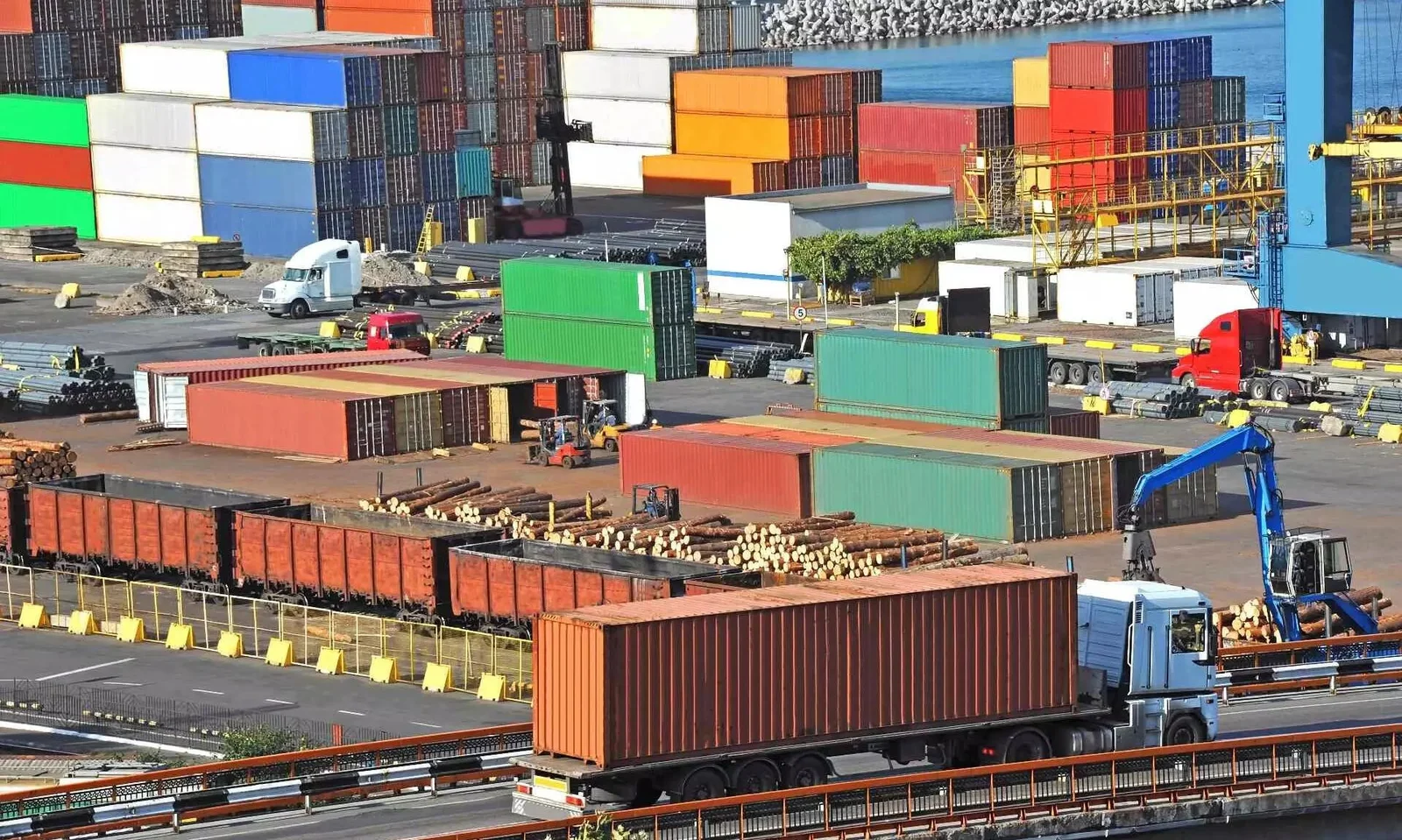
The Dedicated Freight Corridor Corporation of India Limited (DFCCIL) has initiated a critical phase of planning for the upcoming Gati Shakti Multimodal Cargo Terminal (GCT) in Mirzapur, Uttar Pradesh.
Strategically situated along the Eastern Dedicated Freight Corridor (EDFC), the proposed terminal is poised to become a transformative node in the country’s multimodal logistics ecosystem under the PM Gati Shakti National Master Plan. The high-level pre-bid meeting hosted by DFCCIL in Mirzapur attracted strong industry participation, underscoring the private sector’s growing interest in logistics-driven infrastructure. Representatives from some of the country’s leading freight and logistics operators engaged in detailed deliberations over operational models, design frameworks, and investment mechanisms for the upcoming terminal.
Conceived as a smart, future-ready cargo hub, the Mirzapur terminal is expected to enhance last-mile freight connectivity, significantly reduce cargo dwell times, and integrate road-rail networks more efficiently. The development falls directly in line with the national ambition of building seamless, cost-efficient logistics corridors that strengthen India’s global supply chain competitiveness. Industry leaders and DFCCIL officials together explored collaborative models aimed at decongesting existing logistics bottlenecks in eastern Uttar Pradesh. The Eastern Dedicated Freight Corridor, which currently supports an average of 241 train movements daily, offers an ideal backbone to support this expansion. The proposed GCT at Mirzapur will directly tap into this high-capacity electric freight line, ensuring faster and more sustainable movement of goods.
The Mirzapur terminal also reflects DFCCIL’s broader mandate to reimagine freight stations as integrated centres of commerce and logistics innovation. Beyond serving industrial freight needs, these terminals are designed to catalyse regional economic growth by creating jobs, fostering small enterprise logistics, and providing direct access to national and global trade networks. At the heart of the project is the principle of multimodality—seamlessly combining rail, road, and eventually even inland waterway logistics to ensure that goods can move more predictably and at lower cost. This is crucial in a region like eastern Uttar Pradesh, where industrial output is growing but supply chain infrastructure remains underdeveloped.
The upcoming GCT is also aligned with India’s net-zero carbon objectives, aiming to shift large-scale cargo traffic from road to electrified rail, thereby reducing emissions and improving energy efficiency in freight operations. The long-term vision is to make Mirzapur a logistics nerve centre that can support diverse sectors from agriculture to textiles to heavy industry—by offering them a more efficient route to domestic and international markets. As the bid process advances, the Mirzapur terminal stands to become a model for public-private cooperation under the Gati Shakti framework. The project not only exemplifies India’s logistical leap but also marks an important step toward creating equitable and sustainable industrial growth in underserved regions.
Also Read :India’s Logistics Market Set to Hit 357 Billion by 2030
Logistics Growth Hub Planned in Eastern UP
