


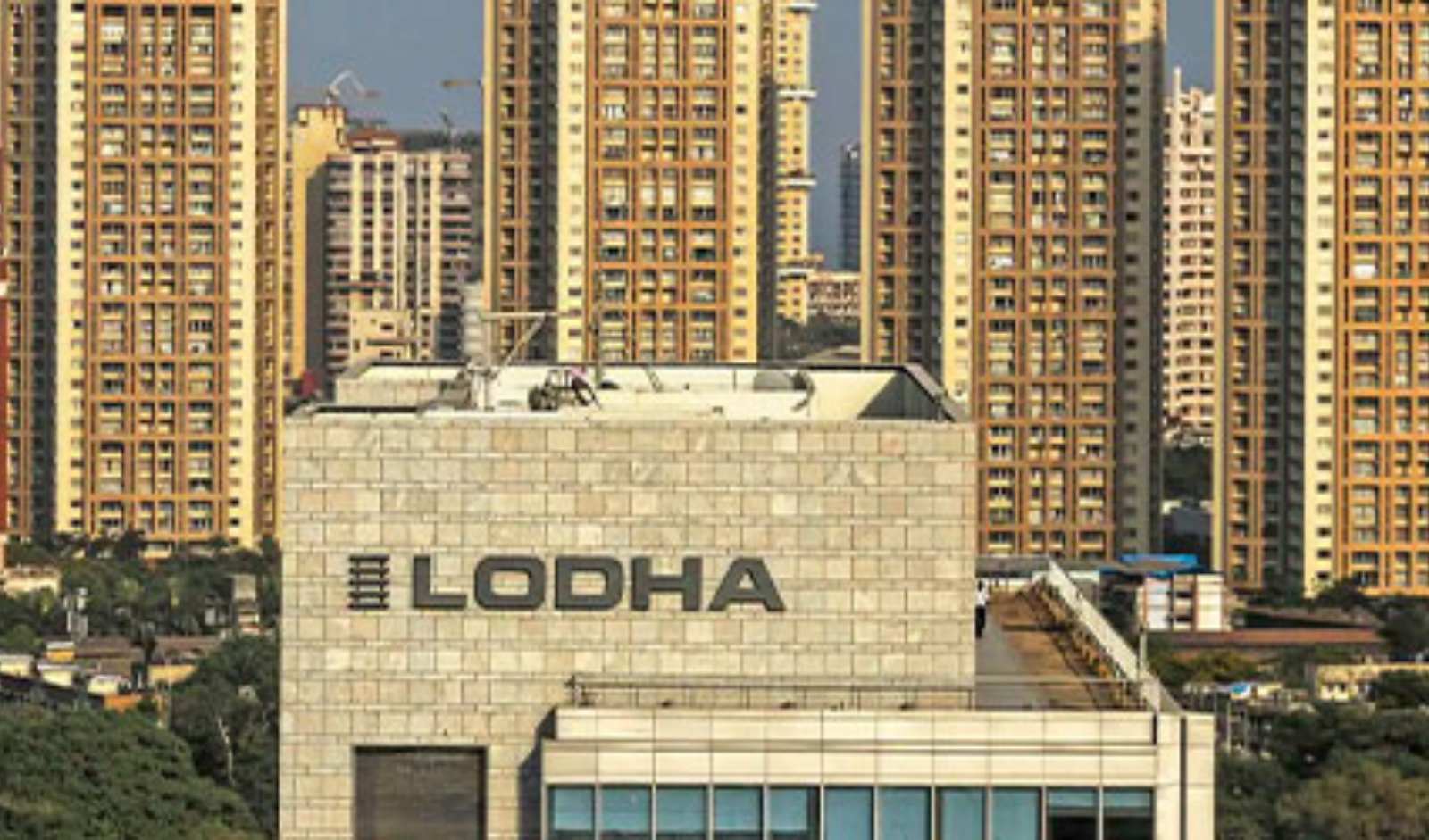
One of India’s largest residential developers reported stable profitability in the December quarter, underscoring the sector’s gradual shift from rapid post-pandemic expansion to a more calibrated phase of urban housing growth. The marginal rise in quarterly earnings reflects steady demand across key metropolitan markets, even as developers navigate higher input costs, land acquisition pressures and evolving buyer preferences.
The company’s consolidated performance for the third quarter of the financial year showed a modest increase in net profit, supported by stronger revenues and sustained sales momentum across its core cities. Total income expanded year-on-year, indicating continued absorption in the mid-to-premium housing segments that have driven much of the sector’s recovery over the past two years. Industry analysts view the results as indicative of a broader trend in India’s residential market, where volume growth is increasingly being replaced by value-led consolidation. Developers with strong balance sheets, established brands and diversified city exposure are better positioned to maintain margins, even as affordability challenges persist in mass housing categories. A key development during the quarter was the company’s entry into the Delhi-National Capital Region, marking an expansion beyond its traditional western India stronghold. With this move, the developer now operates across four of the country’s largest housing markets, which together account for a substantial share of national residential sales by value. Urban planners note that such consolidation reflects a growing preference among large developers to focus on economically deep regions with strong end-user demand rather than speculative expansion into fragmented markets.
The timing of this expansion also coincides with a period of relative macroeconomic stability. Lower borrowing costs, moderating inflation and steady income growth have supported housing affordability, particularly for salaried households in large cities. This has helped sustain demand for organised, well-located residential projects, even as overall price sensitivity among buyers has increased. From an urban development perspective, the results highlight how large-scale developers are becoming increasingly intertwined with city planning outcomes. Projects delivered at scale influence transport demand, civic infrastructure loads and energy consumption patterns. Experts argue that the next phase of residential growth must therefore align more closely with transit-oriented development, efficient land use and climate-resilient construction practices to ensure long-term urban sustainability. Looking ahead, market observers expect residential demand to remain steady rather than explosive, with growth driven by household formation, upgrades and selective investment activity. For developers, maintaining profitability will depend less on rapid sales acceleration and more on disciplined capital allocation, faster project execution and responsiveness to changing urban lifestyles.
As India’s housing markets mature, quarterly financial results such as these offer insight not just into corporate performance, but into how cities themselves are absorbing growth gradually, unevenly, and with increasing emphasis on quality, location and long-term liveability.
Also Read: India housing credit deepens urban ownership
Lodha results reflect stabilising housing demand
