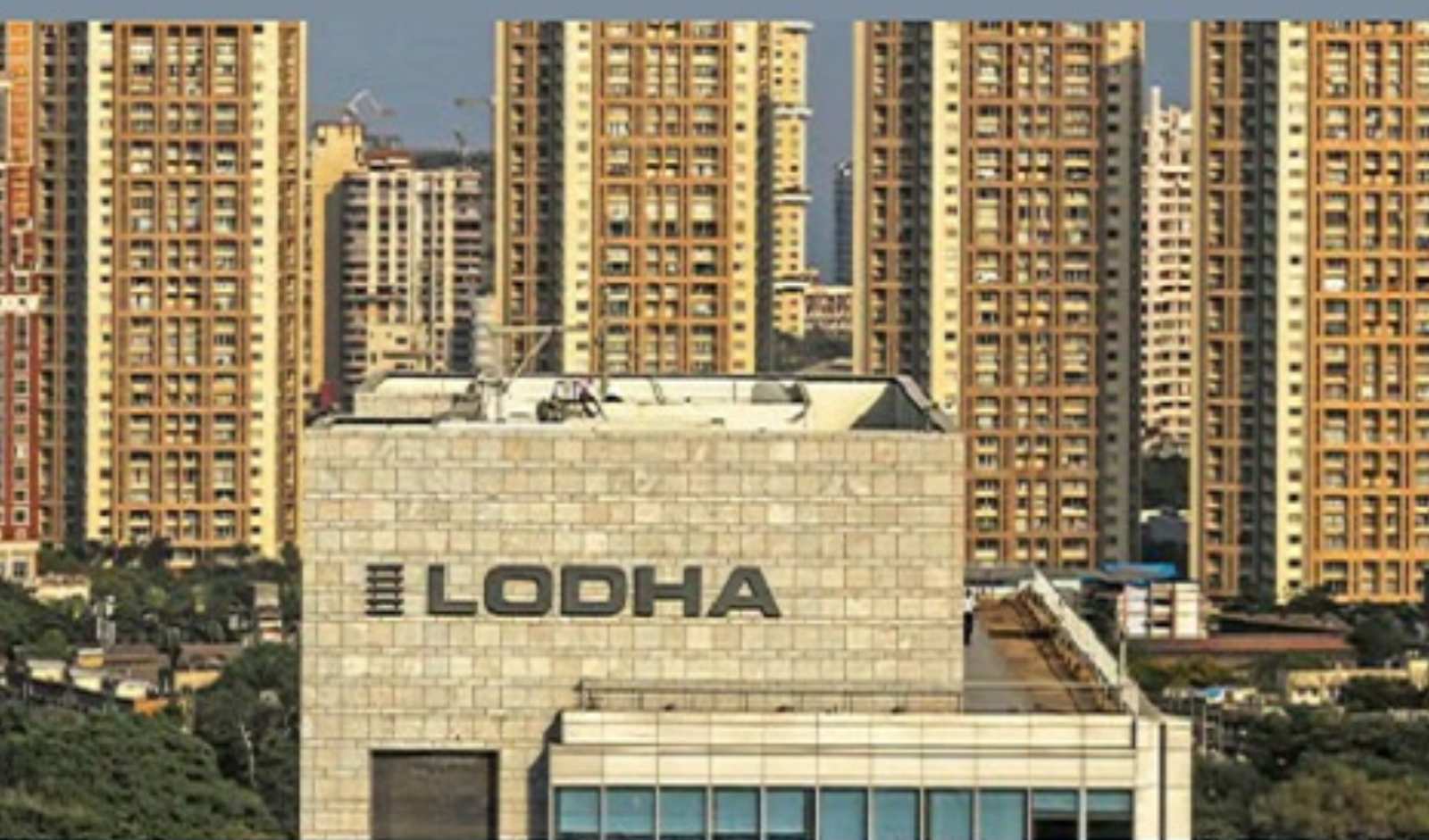
Lodha Expands Central Mumbai Redevelopment Footprint
A landmark ₹365 crore joint development agreement in central Mumbai’s Parel–Sewree corridor is poised to accelerate urban renewal and housing transformation in one of India’s most contested real estate micro-markets. The deal, struck between Lodha Developers Limited and two entities of the Sahana Group, reflects both rising institutional interest in redevelopment-led growth and the City’s ongoing efforts to balance densification with quality of life outcomes.
Spanning 10.26 acres (around 41,526 sq m), the land parcel is located within a strategic band of Mumbai that benefits from proximity to core employment hubs such as Lower Parel and Worli, connectivity enhancements including the Eastern Freeway, and recent infrastructure upgrades along the eastern waterfront. The joint development agreement (JDA), registered on 11 February 2026, involves a significant stamp duty outlay of over ₹37 crore — underscoring the deal’s scale in a market starved of large contiguous land holdings.The transaction’s structure is notable for its emphasis on collaborative redevelopment rather than outright land sale. Under the revenue-sharing terms, Lodha stands to retain a majority share of sales proceeds, with landowners from the Sahana Group participating as partners in value creation. This model reflects a broader shift in Mumbai’s property dynamics, where developers increasingly lean on joint development agreements to preserve balance-sheet strength while tapping into high-value urban land.
Importantly, the project is being structured as a Slum Rehabilitation Authority (SRA) redevelopment initiative, which mandates the construction of rehabilitation housing for existing residents prior to building saleable inventory. One plot alone accounts for over 1,200 erstwhile slum dwellers organised across 11 societies, highlighting the social dimension of the redevelopment strategy. Ensuring safe, dignified rehousing ahead of commercial construction will be essential to maintaining social legitimacy in a city where redevelopment often intersects with displacement concerns.Market analysts view this deal as emblematic of the resilience of Mumbai’s core residential segments even amid elevated acquisition costs. Data from analytics platforms indicates that land values in infrastructure-led corridors such as Parel–Sewri have held steady, with ongoing demand for premium housing anchored by robust job growth and migration. Lodha is expected to deliver premium three- and four-bedroom apartments tailored to affluent residents seeking central locations with access to established social infrastructure.
This development arrives amid a broader backdrop in which major developers are aggregating land across metropolitan markets to feed long-term pipelines. Lodha’s expansion into central Mumbai’s redevelopment landscape dovetails with strategic growth across other cities, reflecting confidence in future housing demand.Yet, the project also raises questions about urban equity and the effective integration of inclusive planning. As central neighbourhoods evolve through redevelopment, policymakers and planners must ensure that gains in property value and living standards do not come at the cost of displacing lower-income residents or overburdening civic services. Coordinated upgrades to transit, public amenities and environmental resilience will be essential to supporting sustainable densification.
Looking ahead, the Parel–Sewree redevelopment could serve as a template for how metropolitan cities manage scarce land resources: blending private investment with social obligations, infrastructure-led planning and a commitment to equitable urban futures.