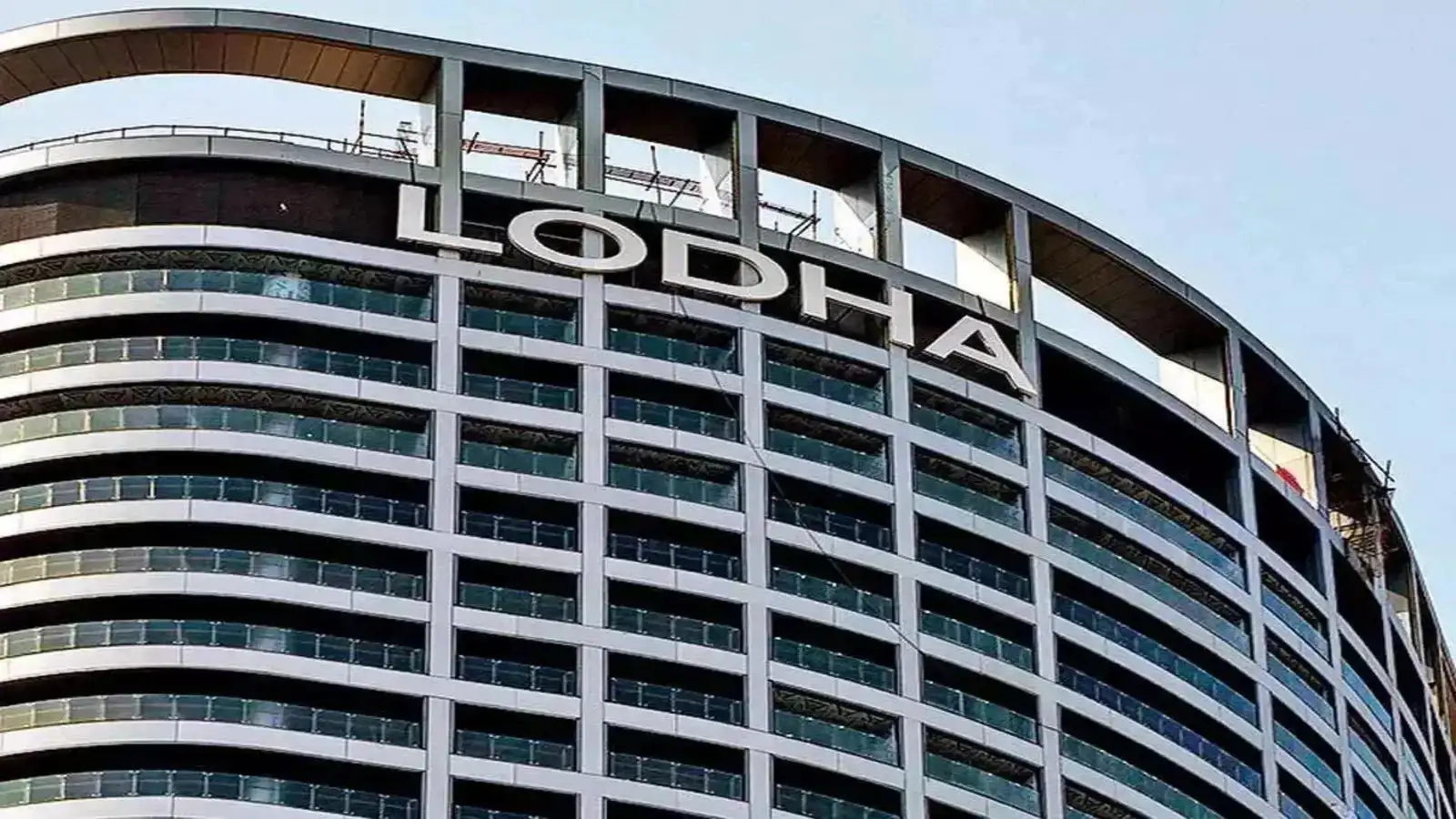
Lodha Developers Pre Sales Miss Signals Market Shift
A leading Mumbai-based real estate developer closed FY26 with strong annual sales growth but narrowly missed its stated target, underscoring how global disruptions are beginning to ripple into India’s housing markets. The company reported pre-sales of ₹20,530 crore, below its guidance of ₹21,000 crore, with late-quarter demand softening attributed to geopolitical tensions affecting buyer sentiment and transaction timing.
Despite the shortfall, the developer recorded a robust 16% year-on-year increase in bookings, reflecting continued demand in key urban centres. The final quarter, typically the strongest for residential sales, saw healthy momentum, with bookings rising over 20% compared to the same period last year. However, a portion of transactions expected in March were deferred, suggesting that external uncertainties may be influencing buyer decisions, particularly in premium and investment-driven segments.Industry observers point out that while domestic fundamentals such as income growth, urbanisation, and housing aspirations remain intact, global risks can disrupt purchasing cycles. “Real estate demand in India has matured, but it is not insulated from geopolitical or financial shocks that affect liquidity and consumer confidence,” said a senior housing market analyst.
The company’s collections performance indicates underlying operational stability. Quarterly collections rose significantly, supported by accelerated construction activity and steady customer payments. For the full year, collections growth remained moderate but positive, helping reduce overall debt levels. This trend aligns with a broader shift in the sector towards disciplined balance sheets and execution-led growth.Project expansion remained a key focus. The developer added multiple projects across major urban corridors including the Mumbai Metropolitan Region, Pune, Bengaluru, and the National Capital Region, collectively representing a substantial pipeline for future supply. Urban planners note that such expansion, if aligned with infrastructure readiness and transit-oriented development, could support more sustainable city growth. However, the broader housing market is showing signs of moderation after a multi-year surge. Recent data indicates a decline in quarterly housing sales across major cities, marking the first dip below a key threshold in several quarters. Analysts interpret this as a transition from rapid post-pandemic expansion to a more measured growth phase.
Rating agencies have highlighted that the sector’s improved financial discipline evidenced by controlled leverage and consistent cash flows provides resilience even as demand normalises. Branded developers, in particular, continue to gain market share, driven by trust, delivery track record, and access to capital.For cities, this evolving landscape presents both opportunity and caution. As supply pipelines expand, ensuring affordability, infrastructure alignment, and climate-resilient construction will be critical. Developers may need to recalibrate pricing strategies and product offerings to sustain momentum in a more selective demand environment. Looking ahead, the sector’s trajectory will depend on how quickly deferred demand returns and whether global uncertainties stabilise. For now, the near miss in pre-sales serves as an early signal that even India’s strongest real estate cycles are not immune to external shocks.