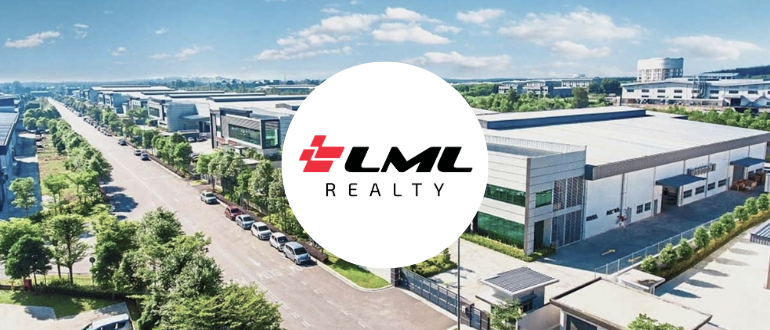
LML Realty has moved ahead with the development of a 35-acre industrial park in Haryana, positioning the project as a long-term manufacturing hub aimed at easing structural bottlenecks faced by micro, small and medium enterprises. The initiative reflects a growing shift in India’s industrial real estate sector towards pre-planned, infrastructure-first developments that prioritise operational stability, regulatory clarity, and sustainable growth.
Located within a state-backed industrial framework, the project is being designed to accommodate a wide range of manufacturing, logistics, and allied activities. Urban planners note that such integrated industrial zones are increasingly critical as Indian cities attempt to balance economic expansion with environmental responsibility and job creation outside congested urban cores. Unlike conventional industrial estates that fill up before essential services are fully in place, the LML Realty project follows a phased delivery model. Core infrastructure, including utilities, internal roads, drainage, and compliance systems, is being executed ahead of large-scale occupancy. Industry experts say this approach can significantly reduce delays, lower long-term operating costs, and improve safety and environmental outcomes for manufacturing units.
Over a five-year horizon, the industrial park is projected to attract more than ₹1,000 crore in factory-level investment and support upwards of 50 operational units. Employment generation is expected to exceed 7,000 direct and indirect jobs, contributing to regional economic diversification while reducing migration pressure on major metropolitan centres. The project has been aligned with a state government MSME acceleration programme, offering participating enterprises a predictable approval environment and integration with broader industrial policies. Officials familiar with the development say such coordination is essential for ensuring that industrial growth does not come at the cost of compliance gaps or unplanned land use, issues that have historically undermined manufacturing clusters across India.
Urban economists point out that well-planned industrial parks can also play a role in advancing climate-resilient development. Concentrated infrastructure allows for shared utilities, improved waste management, and more efficient energy use, all of which are harder to implement in fragmented industrial layouts. While the park is not positioned as a green industrial zone, its structured design creates the foundation for cleaner production practices and future decarbonisation measures. From a real estate perspective, the project signals a maturing industrial market where developers are increasingly judged on governance standards and lifecycle efficiency rather than land aggregation alone. Analysts say this shift is likely to influence how industrial land is planned around emerging urban corridors, particularly in states seeking to strengthen manufacturing without overburdening cities.
As India continues to push for manufacturing-led growth, developments such as this underline the importance of disciplined planning and institutional coordination. The real test will lie in how effectively these industrial ecosystems translate infrastructure readiness into stable jobs, productive enterprises, and long-term regional resilience.
LML Realty Develops Integrated Industrial Ecosystem