


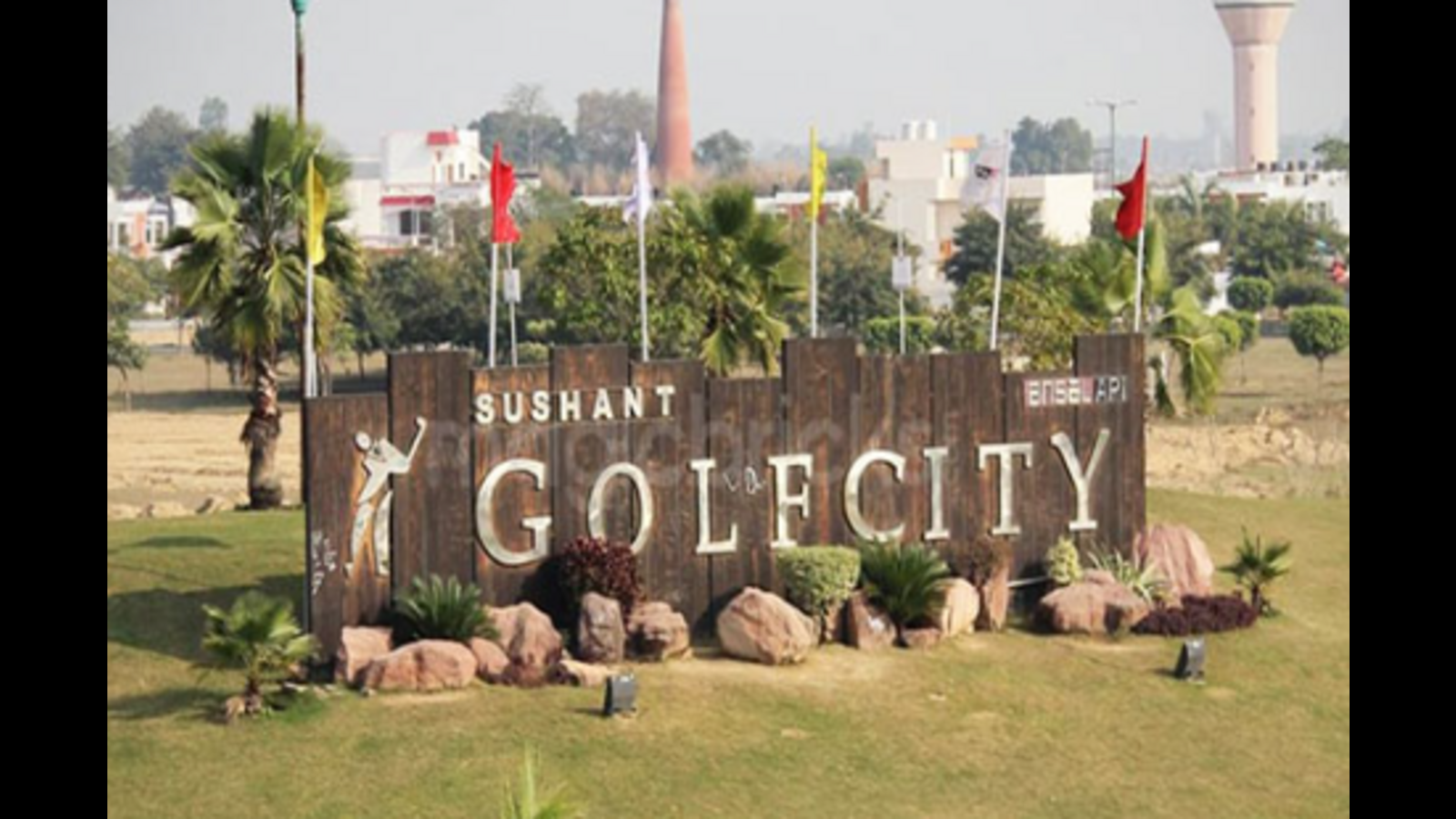
The National Company Law Appellate Tribunal (NCLAT) granted permission for multiple government bodies, including the Lucknow Development Authority (LDA), to become parties in the ongoing case. This ruling, seen as a crucial step in protecting the interests of homebuyers, allows authorities to present their claims before the tribunal, strengthening legal action against the embattled real estate firm.
The dispute stems from alleged financial irregularities and non-compliance with the Hi-Tech Township policy, which left thousands of homebuyers in distress. The NCLAT had previously declared the Ansal Group bankrupt, appointing an Interim Resolution Professional (IRP) to oversee the resolution process. However, this move sparked concerns among stakeholders, particularly investors who had booked plots, villas, and commercial properties as early as 2009 but had yet to receive possession. Following directives from government officials, stringent legal measures were taken against the real estate developer. Authorities not only filed a First Information Report (FIR) against the firm but also contested the insolvency order before the appellate tribunal. Legal representatives for the state successfully argued for broader participation in the proceedings, resulting in NCLAT’s decision to involve additional stakeholders.
Officials now have a week to submit affidavits outlining their claims against the Ansal Group. The next hearing has been scheduled for April 15, marking a crucial phase in the insolvency proceedings. Among the key developments, LDA has presented a liability claim amounting to Rs 4,500 crore, alleging unauthorised transactions involving 411 acres of land that had been mortgaged as a performance guarantee. This claim underscores the scale of financial discrepancies and the urgent need for regulatory intervention. Criticism has emerged regarding the initial insolvency ruling, as NCLAT had reportedly passed the order without soliciting input from relevant government agencies, including LDA and the Housing Department. Legal experts argue that the exclusion of key authorities from the process undermined efforts to safeguard public and institutional interests.
A senior official from LDA expressed confidence that the latest ruling would enable the government to reclaim land and recover outstanding dues from the developer. “The NCLAT’s decision to incorporate multiple stakeholders in the case ensures that our claims are heard, allowing us to safeguard public resources and uphold regulatory oversight in the real estate sector,” the official stated. The case highlights broader concerns regarding governance and accountability within India’s real estate sector. The Ansal Group, once a significant player in urban development, has faced mounting scrutiny over delayed projects and alleged financial mismanagement. Homebuyers and investors remain hopeful that the tribunal’s intervention will lead to a fair resolution, ensuring that their rights are protected. Industry analysts believe this ruling could set a legal precedent for similar cases where real estate firms face insolvency proceedings while holding significant liabilities toward public agencies and individual investors. The focus now shifts to the trial phase, where authorities will present detailed evidence and claims against the developer.
As legal battles unfold, the case serves as a stark reminder of the risks associated with large-scale real estate ventures and the importance of stringent regulatory oversight. With thousands of stakeholders awaiting justice, the outcome of this case will be closely watched as a benchmark for accountability and consumer rights in the real estate industry.
