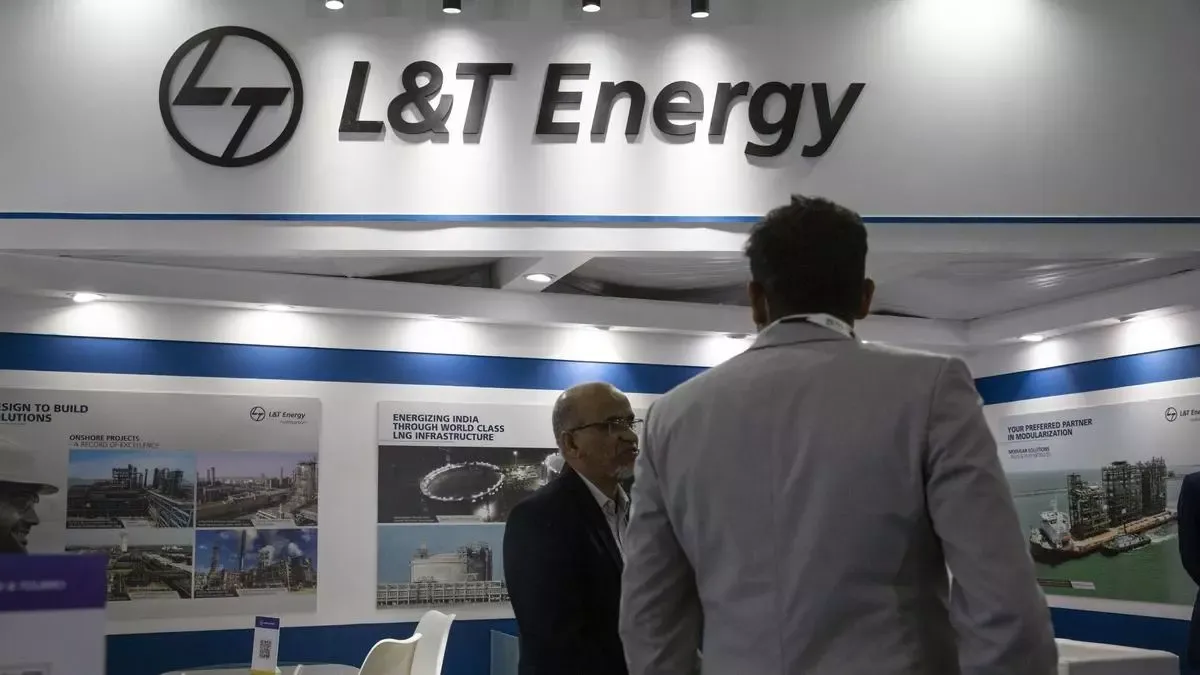
Larsen & Toubro has secured a large domestic infrastructure contract for a pumped storage project in Maharashtra, reinforcing its position in India’s energy transition even as concerns over overseas prospects prompt analysts to moderate medium-term expectations. The order, linked to a 3,000 MW pumped storage facility in Raigad district, arrives at a time when global geopolitical uncertainty is influencing sentiment around the engineering major’s international order pipeline.
The project, awarded by a private energy storage developer, is classified by the company as a large contract with a value range of ₹2,500 crore to ₹5,000 crore. It involves comprehensive civil construction and hydro-mechanical works for what is expected to be India’s largest pumped storage installation. Spread across ten units of 300 MW each, the facility is designed to support grid stability by storing surplus renewable energy and releasing it during peak demand, a function increasingly critical as solar and wind capacity expands nationwide. Infrastructure specialists say pumped storage projects are emerging as a cornerstone of India’s low-carbon power strategy. Unlike conventional hydropower, such facilities are primarily designed for energy balancing rather than generation, allowing states like Maharashtra to integrate renewables without compromising reliability. The Raigad project is also expected to generate substantial regional employment during its multi-year construction phase, strengthening local economic activity while adding long-term energy resilience.
Despite the domestic win, market reaction remained cautious. The company’s share price extended its recent decline, reflecting broader investor concerns rather than project-specific risks. Several brokerages have revised down their order inflow estimates for the next three financial years by around five to six per cent. The revisions follow reports of potential order cancellations in West Asia, particularly in Kuwait, where large infrastructure projects have faced delays or policy reviews. Company representatives have clarified that the overseas projects cited by analysts were not part of the confirmed order book, seeking to reassure investors about revenue visibility. However, analysts note that the Middle East has historically been a significant growth driver for large Indian engineering firms, and any slowdown in fresh awards could affect headline growth rates, even if execution on existing contracts remains stable.
From an urban and infrastructure lens, the Maharashtra pumped storage project underscores a gradual rebalancing towards domestic, sustainability-linked investments. Energy economists argue that such projects align closely with national climate commitments while reducing dependence on imported fossil fuels. For construction majors, this shift offers an opportunity to deploy complex engineering capabilities within India’s regulatory and environmental framework, potentially lowering execution risk compared to overseas markets. Looking ahead, industry observers suggest that the company’s ability to scale up energy storage, water infrastructure, and urban transit projects at home could partially offset volatility in global markets. As India accelerates investment in climate-resilient infrastructure, domestically anchored orders may play a larger role in stabilising earnings and supporting long-term growth.
Larsen Toubro Deal Highlights Energy Transition Shift