


Lakshmiguda Housing Colony’s Struggles Highlight Urban Neglect and Planning Failure
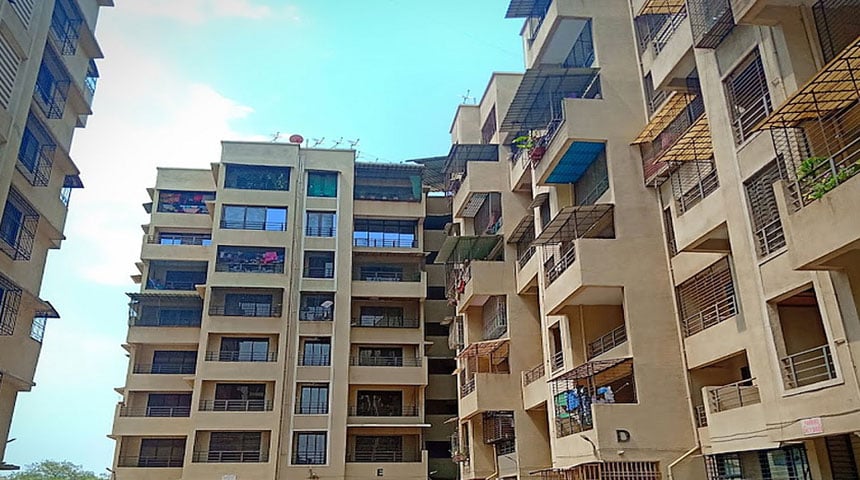
Lakshmiguda, a housing colony located just half a kilometre from Chennai’s bustling inner ring road, is a stark reminder of urban planning gone awry. Upon entering this otherwise serene residential area, one is immediately greeted by the nauseating stench emanating from the open nala (drain) running through the colony. The absence of basic amenities, such as underground drainage systems, coupled with the neglected state of roads and streetlights, paints a grim picture of civic indifference. Despite being developed around the same time as the well-planned KPHB colony in Kukatpally, Lakshmiguda’s contrast could not be more evident.
The Telangana Housing Board’s track record is renowned for its commitment to developing residential colonies with a focus on urban infrastructure. However, Lakshmiguda stands as an example of how poor planning and lack of maintenance can result in a living nightmare for its residents. Jyothi Pathak, who has lived in the colony for over three decades, explains the daily struggles faced by residents. Auto drivers refuse to enter the area, and online taxi services are equally reluctant. At times, people are forced to walk nearly two kilometres to access basic transport services. Even after multiple complaints about the absence of streetlights, the electricity department has failed to address the issue. “We can’t even stand on the road after 6 pm, with mosquitoes swarming all around,” Pathak says, highlighting the absence of even the most basic civic amenities.
The colony’s plight is compounded by severe infrastructure neglect. D. Raghupathy, another long-time resident, bemoans the absence of key facilities that were initially promised. The housing board had earmarked land for a school, playground, hospital, and a community hall – yet none of these have come to fruition. In their place, wild vegetation and boulders occupy the space. Furthermore, many residents have resorted to connecting their sewage systems to the open nala due to the lack of an underground drainage system. The overall situation highlights the stark disparity between Lakshmiguda and its neighbouring colonies, which, despite being developed after Lakshmiguda, have thriving infrastructure and amenities.
From a sustainability perspective, the situation in Lakshmiguda raises crucial questions about urban planning in rapidly expanding cities like Hyderabad. While the state government has poured resources into developing certain areas, colonies like Lakshmiguda continue to remain on the margins, with inadequate access to water, waste management, and transportation. This lack of comprehensive planning and infrastructure results in residents being left to fend for themselves, increasing the reliance on non-sustainable practices such as illegal sewage dumping and dependence on makeshift infrastructure. The absence of basic services is not just a civic failure but a missed opportunity for the city to embrace environmentally sustainable living solutions. Urban planning must consider the long-term sustainability of all developments, ensuring that every colony, regardless of its socio-economic makeup, benefits from proper infrastructure and services.
To improve the situation, local authorities must prioritise completing the unfinished developments and addressing the basic needs of the residents. Furthermore, implementing green solutions such as waste segregation, decentralised waste management, and water recycling would go a long way in making Lakshmiguda a model of sustainable urban living. It is high time that policymakers and urban planners turn their attention to areas like Lakshmiguda, where the disparity between urban growth and the neglect of certain colonies continues to widen.
