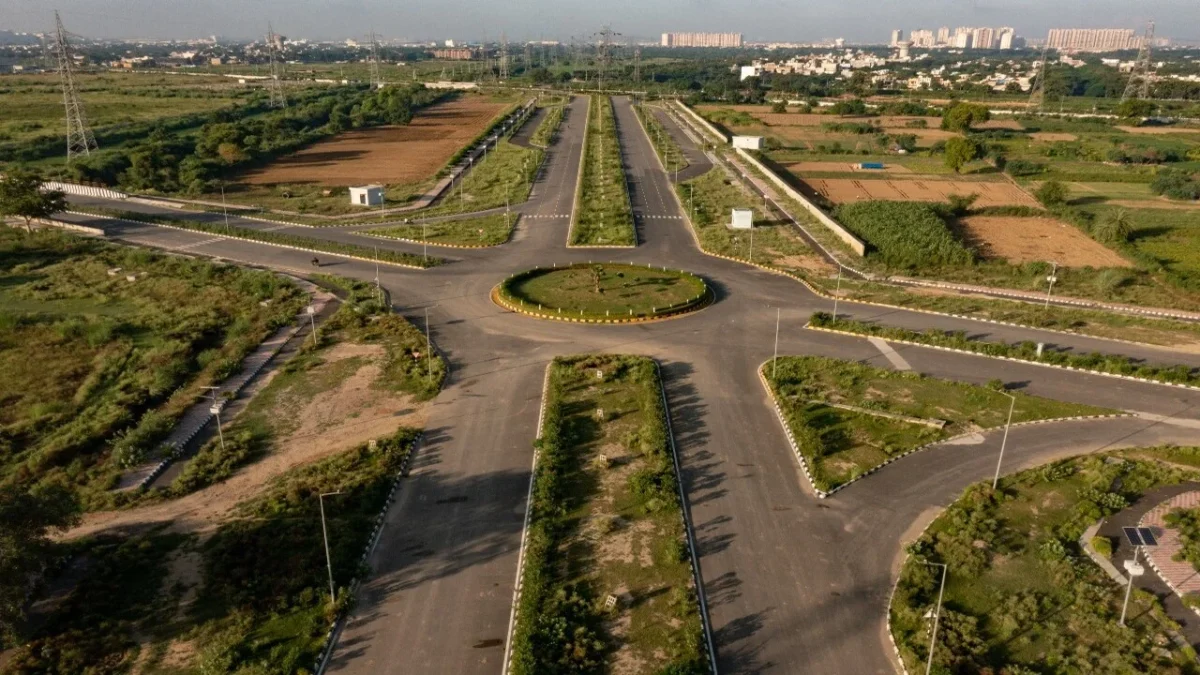
The Kundli Sonipat growth corridor is increasingly emerging as a strategic urban node in the National Capital Region, driven by a convergence of transport upgrades, industrial expansion, and improving civic infrastructure. Located along a key northern axis of Delhi, the area is transitioning from a peripheral industrial belt into a more balanced live-work destination with growing residential and economic significance. Recent progress in regional connectivity is playing a central role in this shift. Planned metro extensions and high-speed regional transit systems are expected to integrate the corridor more closely with Delhi’s employment hubs, reducing travel time and improving daily commuting patterns. At the same time, road infrastructure projects aimed at easing congestion and improving last-mile access are strengthening linkages between the corridor and the wider NCR network.
Urban planners note that such multi-layered connectivity—combining metro, regional rail, and arterial roads—has the potential to reshape how growth is distributed across the region. Instead of concentrated expansion within Delhi, emerging corridors like Kundli–Sonipat are absorbing demand, enabling a more decentralised and potentially sustainable urban form. The industrial base continues to anchor this transformation. The Kundli Sonipat growth corridor hosts a diverse mix of logistics parks, warehousing clusters, and light manufacturing units, supported by state-led industrial development frameworks. This ecosystem has created steady employment opportunities, which in turn are driving housing demand rooted in actual occupancy rather than speculative investment. Real estate analysts highlight that this end-user-driven demand distinguishes the corridor from other high-growth micro-markets. Residential absorption is being supported by people working within or near the region, resulting in relatively stable rental yields and gradual price appreciation. This trend reflects a more resilient growth pattern, less prone to volatility linked to announcement-led speculation.
Equally important is the parallel expansion of social infrastructure. Educational institutions, healthcare services, and organised retail are gradually scaling up, improving the area’s overall livability. Developers entering the market are aligning projects with these evolving needs, focusing on integrated communities rather than standalone housing developments. From a sustainability perspective, the corridor’s evolution offers both opportunities and challenges. While improved connectivity can reduce commute-related emissions by shortening travel distances, unplanned expansion could strain resources if not managed carefully. Experts emphasise the need for coordinated land-use planning, efficient public transport integration, and green infrastructure to ensure long-term resilience. The Kundli Sonipat growth corridor also reflects a broader shift in how the NCR is evolving. With infrastructure investments extending beyond traditional urban cores, multiple growth centres are beginning to emerge, redistributing economic activity and population density across the region.
As these trends continue, the corridor’s future will depend on how effectively infrastructure delivery, industrial growth, and urban planning are aligned. If managed well, it could serve as a model for balanced regional development—where connectivity, employment, and livability converge to create more inclusive and sustainable urban ecosystems.